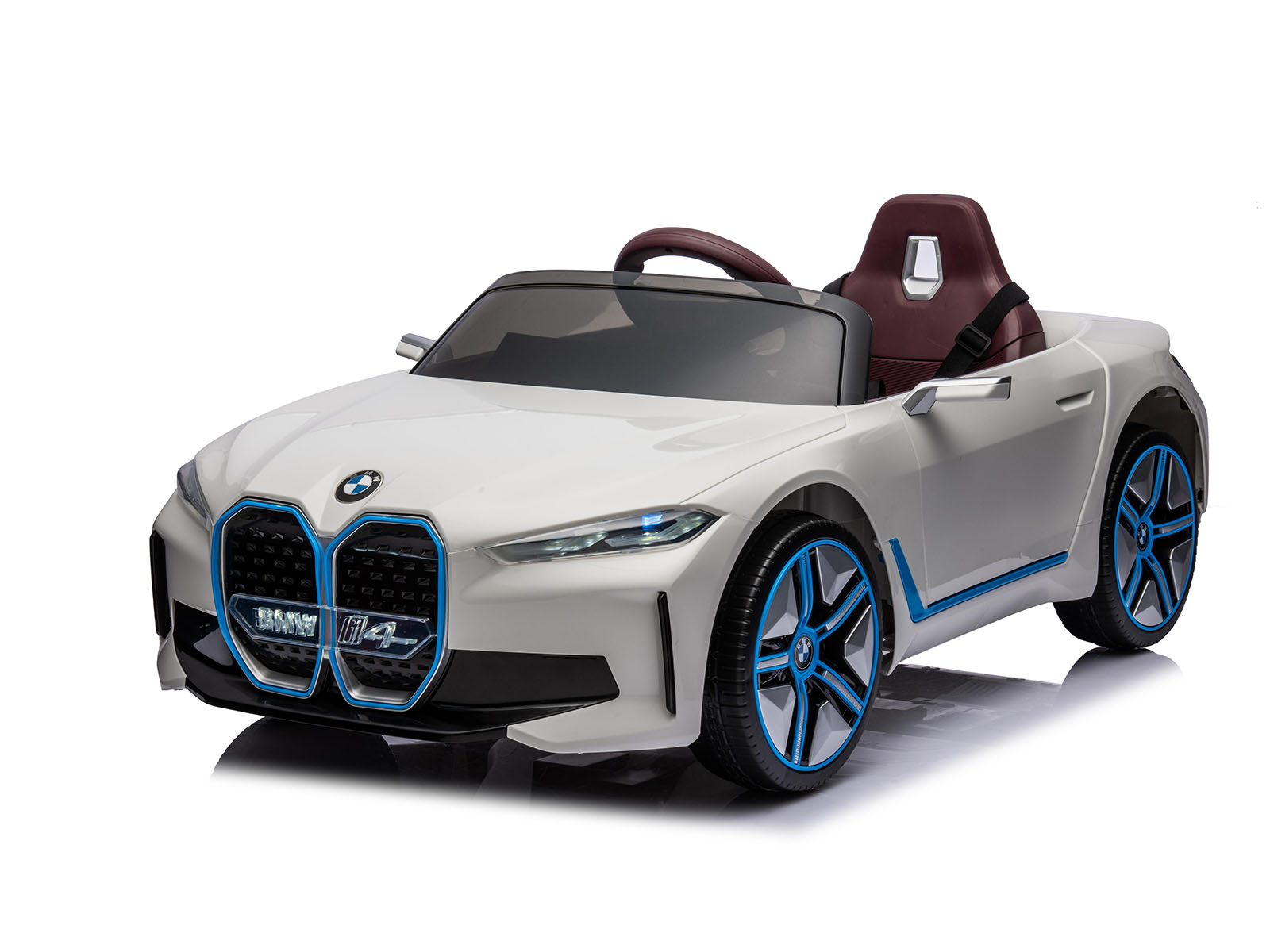
Purchasing a premium toy vehicle often brings excitement, followed quickly by frustration when play sessions end abruptly. Many buyers experience unexpectedly short runtimes because they misunderstand battery specifications. Marketing materials frequently highlight top speeds and flashy features, leaving the actual energy capacity buried in the fine print. This leads to mismatched expectations and disappointed drivers.
The core problem stems from confusing battery voltage with amp-hours. Voltage represents power, while amp-hours dictate capacity. Buyers often under-spec or over-spec their vehicle based on promotional claims rather than engineering realities. A high-voltage motor paired with a low-capacity battery will drain rapidly, turning a promised afternoon of fun into a brief 15-minute ride.
Evaluating battery specifications requires a technical framework. You must weigh the factory numbers against real-world variables like terrain, payload, weather, and driving habits. Understanding how these factors interact ensures the selected ride on car meets your expected playtime requirements and delivers consistent performance over its lifespan.
Voltage vs. Capacity: Voltage (V) dictates motor power and speed, while Amp-hours (Ah) determine the size of the "fuel tank" and baseline runtime.
Real-World Degradation: Advertised runtimes are calculated under optimal conditions; rider weight, incline, weather, and grass can reduce actual runtime by up to 50%.
12V vs. 24V Applications: A 12V ride on car system is sufficient for flat, hard surfaces, but a 24V ride on car system is required to maintain runtime efficiency on rough terrain or with heavier payloads.
Lifespan Dictates Runtime: Poor charging habits (deep discharging, consistent undercharging, overcharging) permanently reduce battery capacity, causing a progressive decline in daily runtime over a 1-to-2-year lifecycle.
Understanding Battery Specifications in a Ride On Car
Voltage (V) vs. Amp-Hours (Ah): The Power vs. Capacity Distinction
Voltage acts as the electrical pressure driving the motors. It directly correlates to the torque output and the top speed of the vehicle. Higher voltage pushes more current through the motor windings, allowing the vehicle to tackle obstacles and reach higher velocities. When you look at a battery, the voltage rating tells you how much muscle the electrical system has to move the vehicle forward.
Amp-hours measure the total energy storage capacity. Think of this as the size of the fuel tank. A higher Ah rating correlates directly to a longer baseline runtime. If a motor draws a specific amount of current, a larger Ah battery will sustain that draw for a longer period. For example, a 10Ah battery will run twice as long as a 5Ah battery under the exact same load conditions.
To accurately compare total energy capacity between different models, calculate the total Watt-hours (Wh). The formula is simple: Total Watt-hours = Voltage × Amp-hours. A 12V 10Ah battery yields 120Wh, while a 24V 5Ah battery also yields 120Wh. Using Watt-hours provides the true metric for evaluating how much total energy the vehicle holds, cutting through marketing jargon.
Standard Baselines: 6V, 12V, and 24V Architectures
Factory models typically utilize standard Ah ranges based on their voltage architecture. Entry-level 6V models often feature 4.5Ah batteries. Mid-tier 12V models usually come equipped with 7Ah or 9Ah batteries. High-performance 24V systems frequently utilize 7Ah, 9Ah, or 10Ah configurations to support larger motors and heavier frames.
A higher voltage system drawing the same amperage as a lower voltage system yields more efficient power delivery. A 24V system requires half the current of a 12V system to produce the same wattage. Lower current reduces heat generation in the wiring and motors, minimizing energy waste and improving overall efficiency. This means less energy is lost to thermal dissipation.
System Voltage
Standard Amp-Hours (Ah)
Total Energy (Watt-hours)
Primary Application
6V
4.5Ah - 7Ah
27Wh - 42Wh
Toddlers, indoor, flat surfaces
12V
7Ah - 9Ah
84Wh - 108Wh
Sidewalks, light grass, single rider
24V
7Ah - 10Ah
168Wh - 240Wh
Rough terrain, hills, dual riders
Real-World Variables That Drain Ride On Car Batteries
Payload and Rider Weight Limits
Increased weight demands higher torque from the electric motors to initiate and maintain movement. To generate this torque, the motors pull a higher amperage draw from the battery. Heavier payloads force the electrical system to work harder, accelerating energy consumption. If two children ride in a two-seater, the battery drains significantly faster than if one child drives alone.
When approaching the vehicle's maximum weight capacity, expect a significant runtime reduction. A vehicle rated for 1 hour with a 40 lb rider might only last 35 minutes when carrying an 80 lb load. Always factor in the rider's weight when estimating practical playtimes. Overloading the vehicle also stresses the plastic gears inside the gearboxes, leading to premature mechanical failure.
Terrain Resistance: Pavement vs. Grass vs. Incline
Smooth asphalt offers minimal rolling resistance, allowing the motors to operate efficiently with low current draw. Thick grass or gravel introduces massive rolling resistance. The tires must push through the terrain rather than roll over it, forcing the motors to consume significantly more power just to maintain a walking pace.
Continuous incline driving forces the motors to operate at peak current draw. This rapid energy consumption quickly depletes the Ah reserves. Furthermore, sustained high-current draw causes thermal throttling, where the system reduces power output to prevent the motors and wiring from overheating. Driving up steep driveways repeatedly will cut your expected runtime in half.
Terrain Type
Rolling Resistance
Expected Runtime Impact
Smooth Asphalt / Concrete
Low
100% of baseline
Short Cut Grass
Medium
70% - 80% of baseline
Thick Grass / Gravel
High
50% - 60% of baseline
Steep Inclines
Very High
40% - 50% of baseline
Motor Efficiency and Speed Settings
Driving in "High Speed" mode drains the battery much faster than "Low Speed" mode. High speed alters the motor wiring configuration or controller output to maximize RPM, which inherently requires more wattage. Most vehicles use a simple switch to toggle between series (low speed) and parallel (high speed) motor wiring.
The physics of electric motors dictate that higher speeds draw exponentially more power. Continuous top-speed driving disproportionately reduces runtime. The increased discharge rate decreases overall battery efficiency under heavy load, meaning you lose usable capacity to heat and internal resistance. Teaching children to use low speed for general cruising extends the play session.
Ambient Temperature and Weather Conditions
Extreme temperatures severely affect battery chemistry and discharge rates. Sealed Lead Acid (SLA) batteries rely on internal chemical reactions to release energy. Temperature dictates the speed and efficiency of these reactions. Storing and operating the vehicle in a temperate environment yields the best performance.
Cold weather below 50°F (10°C) slows down the internal chemical reactions. This sluggish chemistry reduces the battery's ability to deliver current, cutting immediate runtime by 20% to 30%. Conversely, high heat accelerates internal degradation. While a hot battery might perform well initially, sustained high temperatures permanently lower the overall capacity over time.
12V Ride On Car vs. 24V Ride On Car: Runtime and Performance Trade-offs
The 12V Ride On Car: Ideal Use Cases and Expected Runtime
The ideal environment for a 12V ride on car includes flat driveways, smooth sidewalks, and indoor use. These vehicles perform best with single riders weighing under 40 lbs. In these conditions, the motors operate efficiently without excessive current draw, keeping the battery temperatures stable.
Baseline runtime expectations typically range from 45 to 90 minutes of intermittent use. This translates to approximately 1 hour of continuous fun on a standard 12V 7Ah battery. Pushing this system beyond its intended terrain causes rapid battery drain and severe motor strain, drastically cutting playtime and potentially burning out the thermal fuse.
The 24V Ride On Car: Powering Through Heavier Loads and Rough Terrain
A 24V ride on car is engineered for uneven terrain, thick grass, slight hills, and dual riders. The higher voltage architecture provides the necessary torque to navigate obstacles that would stall a lower-voltage model. The motors are physically larger and wound to handle the increased voltage.
This system handles resistance better without spiking the amp draw. By operating at a lower current for the same power output, it preserves runtime under heavy load compared to an over-stressed 12V system. Baseline runtime expectations typically span 1 to 2 hours, depending heavily on the specific Ah rating and the aggressiveness of the terrain.
Predicting True Runtime: A Framework for Buyers
The "Continuous Use" vs. "Stop-and-Go" Calculation
Manufacturer testing often involves continuous running with no load on a smooth surface. Real-world play consists of stop-and-go driving, varying speeds, and frequent direction changes. Every time the vehicle accelerates from a dead stop, it pulls a massive surge of current to overcome inertia.
Use a realistic heuristic for your calculations. Expect 60% to 70% of the manufacturer's stated runtime under normal backyard conditions. If the box claims two hours, plan for roughly 75 to 80 minutes of actual, dynamic playtime. Setting realistic expectations prevents disappointment and helps you plan charging schedules.
Factoring in Battery Degradation and Lifespan Over Time
SLA batteries lose total capacity over their lifespan. Every charge and discharge cycle slightly degrades the internal lead plates. This means the runtime on day one will not be the runtime on day 300. The active material on the plates slowly sheds and falls to the bottom of the battery casing.
Under typical daily use of 30 minutes, a standard battery will last approximately 1.5 to 2 years before capacity degrades to the point of needing replacement. A battery providing 60 minutes of runtime in month one may only provide 30 minutes by month twelve if subjected to heavy wear and poor charging habits.
Implementation Risks: Why Ride On Car Batteries Fail Prematurely
The Danger of Deep Discharging and Undercharging
Running an SLA battery down to absolute zero causes permanent sulfation. Lead sulfate crystals harden on the plates, destroying the Ah capacity. You can never recover this lost capacity. Once a battery is deeply discharged, its internal resistance spikes, making it difficult to accept a new charge.
Consistent undercharging poses another major risk. Failing to complete a full 100% charge cycle prevents the battery from reaching full operational capacity. Always recharge the battery when it drops to roughly 20% to 30% capacity to maintain optimal health. Partial charges lead to stratification, where acid concentration varies within the battery.
Overcharging and Thermal Stress
Using cheap, non-smart chargers continuously supplies current even when the battery is full. This leads to battery swelling and boiled electrolytes. The internal pressure builds up, causing irreversible mechanical damage. The plastic casing will physically bulge, indicating the battery is destroyed and unsafe to use.
Leaving the battery plugged in too long overheats the cells. This thermal stress accelerates mechanical failure and dramatically shortens the operational lifespan. Always disconnect standard chargers after the recommended duration, usually 8 to 12 hours depending on the charger's output rating.
Storage Conditions and Parasitic Drain
Short, micro-trips under 20 minutes followed by long periods of inactivity gradually drain the battery below recoverable limits. The battery never receives a proper equalization charge. This usage pattern is common but highly destructive to SLA chemistry.
Parasitic drain occurs from onboard electronics like radios and LED lights. Even when the vehicle is turned off, these components pull a tiny amount of current if the battery remains connected. Over weeks of storage, this drain will completely kill the battery. Always unplug the main battery connector during long-term storage.
Best Practices to Maximize Battery Lifespan and Daily Runtime
Optimal Charging Cycles and Storage Protocols
Implement a strict charging protocol to protect your investment. Follow these specific steps to ensure maximum battery longevity:
Charge the battery immediately after every use, regardless of how short the play session was.
Do not leave the battery on a standard wall charger for more than 14 hours to prevent boiling the electrolyte.
Disconnect the main battery harness from the vehicle if it will sit unused for more than a week.
During off-season winter storage, charge the battery fully once a month to prevent deep discharge and sulfation.
Keep the battery stored in a climate-controlled environment. Extreme cold or heat accelerates temperature-induced self-discharge. Storing the vehicle in a temperate garage or basement significantly extends the battery's viable lifespan.
Upgrading Capacity: Is Modding Safe?
Many buyers consider swapping a factory battery for one with a higher Ah rating, such as replacing a 12V 7Ah with a 12V 12Ah unit. Increasing the Ah is generally safe and effectively extends runtime, provided the physical dimensions fit within the battery compartment. You are simply installing a larger fuel tank.
However, strictly avoid increasing the voltage without upgrading the controllers and motors. Putting a 24V battery into a 12V system will instantly burn out the drivetrain, melt the wiring, and destroy the control board. The factory components are rated for specific voltage limits and will fail catastrophically if exceeded.
Conclusion
Calculate your required Watt-hours before purchasing to ensure the vehicle meets your terrain and payload demands.
Implement a strict post-ride charging routine to prevent sulfation and maintain maximum Ah capacity.
Store batteries indoors during extreme weather to halt temperature-induced degradation.
Upgrade the Ah rating for longer runtimes only if the new battery physically fits the factory compartment.
FAQ
Q: How long does a standard 12V battery last on a single charge?
A: A standard 12V 7Ah battery typically provides 45 to 90 minutes of intermittent playtime on flat surfaces. Continuous high-speed driving or heavy payloads will reduce this to roughly 40 minutes.
Q: Can I put a 24V battery in my 12V vehicle to make it faster?
A: No. Installing a 24V battery in a 12V system will overload the electrical components, instantly burning out the motors, wiring, and control board.
Q: Why does my vehicle run slower in the grass?
A: Grass creates high rolling resistance, forcing the motors to draw more current. This heavy load reduces top speed and drains the battery capacity much faster than smooth pavement.
Q: Should I leave the battery plugged in all winter?
A: Do not leave standard chargers plugged in continuously, as this causes overcharging and swelling. Instead, charge the battery fully, disconnect it, and top it off once a month.
Q: How do I know when it is time to replace the battery?
A: If the vehicle only runs for 10 to 15 minutes after a full 12-hour charge, the internal capacity has degraded. It is time to purchase a replacement battery.