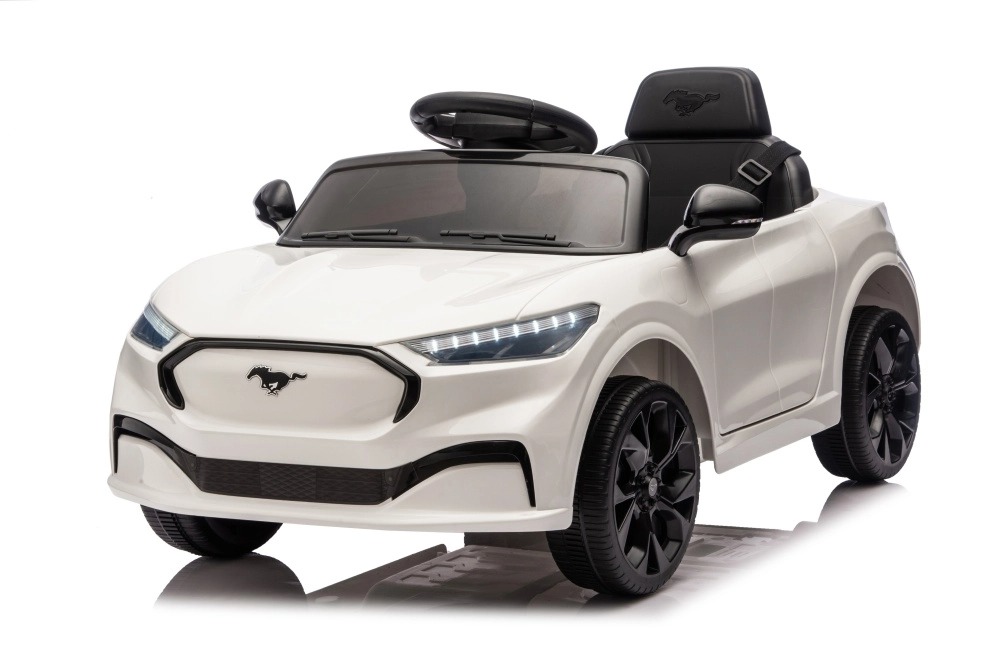
Wheels are easy to overlook when choosing a Ride on Car, yet they influence traction, vibration, noise, surface suitability, and the way a vehicle feels in day-to-day play. EVA wheels are commonly described as foam-style wheels made from ethylene-vinyl acetate, a lightweight polymer material. They are used on some ride-on designs because they can provide a softer and quieter contact than hard plastic wheels. That does not make them a universal upgrade or an all-terrain guarantee. The right wheel choice depends on the vehicle design, the surface, the rider load, and the manufacturer’s intended-use guidance.
Key Takeaways
EVA is a lightweight polymer foam material used for some Ride on Car wheel designs.
Compared with hard plastic, EVA-style wheels may reduce noise and soften small surface vibrations.
Wheel material is only one part of terrain performance; wheel shape, tread, drive system, load, and ground condition matter too.
EVA wheels are not the same as pneumatic tires and should not be presented as a solution for every rough or wet surface.
What EVA Wheels Are
EVA stands for ethylene-vinyl acetate. In a ride-on wheel, it is typically used as a foam-like outer material or wheel component intended to create a less rigid contact than hard plastic. It is not an inflated air tire. Unlike a pneumatic tire, it does not rely on an air chamber for its shape or cushioning. This distinction matters because a product with EVA wheels does not need the same inflation routine, but it also should not be assumed to provide the same performance characteristics as a pneumatic wheel.
The visible appearance of a wheel is not enough to identify its exact construction. Buyers should rely on the product specification, manual, and clear supplier descriptions. Terms such as “EVA tire,” “rubber-like wheel,” and “soft wheel” are sometimes used broadly in the market, so product copy should define what is actually supplied rather than use interchangeable wording.
Why EVA Is Used on a Ride on Car
Hard plastic wheels can be durable and simple for smooth surfaces, but they may create more noise and transmit more vibration across paving joints or small irregularities. EVA-style wheels can change that contact feel. On a suitable surface, they may make a Ride on Car feel less harsh and reduce the sound of wheels rolling over firm paving. They can also be an appealing feature when a buyer expects a mix of indoor-adjacent and outdoor paved play.
The benefit should be stated carefully. Comfort is influenced by seat design, vehicle weight, wheel diameter, suspension where provided, speed, and the actual ground. Traction is influenced by tread, contact area, load distribution, and surface moisture as well as material. A wheel cannot correct a route that is too steep, muddy, deeply gravelled, or outside the product instructions.
BIG RIDE ON CARS offers several vehicle categories, including Ride on Cars by Type, so buyers can first decide on vehicle format and then compare the wheel specification on the model that fits the intended route.
EVA, Hard Plastic, and Pneumatic Wheels Compared
Wheel type
Potential everyday strengths
Points to check
Hard plastic
Simple construction and practical use on smooth, firm surfaces
Can be louder and may transmit more vibration on uneven ground
EVA-style foam
May offer quieter, softer contact on suitable surfaces
Not a universal rough-terrain or wet-surface solution
Pneumatic
Can provide cushioning in designs that use air-filled tires
Requires the maintenance and puncture considerations specified by the maker
This table is a selection framework, not a ranking. A suitable hard-plastic wheel may be the right option for a smooth paved route. An EVA wheel may suit a family prioritising a less rigid feel on approved mixed surfaces. A pneumatic design may fit a particular product role if the buyer is prepared to follow its maintenance guidance. The vehicle’s individual instructions decide the acceptable use.
Terrain Still Determines the Outcome
On smooth, dry pavement, wheel material may be felt mostly as noise level and ride texture. On grass, resistance depends on lawn length, firmness, moisture, slope, and rider weight. On gravel, the question changes to stone size, depth, sharpness, and stability. EVA wheels can be helpful within the conditions for which the model was designed, but they do not make a Ride on Car suitable for standing water, mud, steep slopes, deep loose gravel, sharp debris, or any terrain the manual excludes.
Before outdoor play, inspect the route. Remove objects that can catch a wheel, check for holes or roots in grass, and avoid wet areas. If the surface produces skidding, sharp vibration, repeated wheel spin, or difficulty steering, move to a more suitable route. The aim is controlled play, not testing the vehicle’s limits.
How to Evaluate an EVA-Wheel Claim
Buyers and product managers should ask a few direct questions. What is the wheel material and construction? Which surfaces are permitted? Is the product intended for pavement only or for selected outdoor ground? What are the stated age and maximum-load limits? Does the vehicle use a single or multiple drive configuration? Is any suspension supplied? What cleaning or inspection routine is required?
The answers are more useful than a broad claim that EVA wheels are “better.” They make the comparison relevant to the shopper’s actual home, showroom, or retail range. The 24V Ride on Car category illustrates why wheel choice should also be considered beside body size, drivetrain, and expected riding conditions.
Care and Replacement Considerations
After outdoor use, remove grass, mud residue, loose stones, and surface grit from accessible wheel areas. Inspect EVA wheels for cuts, unusual wear, looseness, or material separation. Avoid leaving a Ride on Car in standing water or intense heat, and store it dry. If the wheel fit or running behaviour changes, stop use and follow the supplied service guidance rather than making an improvised repair.
For retailers, accurate replacement-parts information is valuable. A customer needs the exact wheel specification, vehicle model, and compatible part reference; a generic “EVA wheel” label is rarely enough. Clear records reduce incorrect purchases and help preserve the intended performance of the original design.
Buying Questions That Prevent Wheel Mismatches
A wheel specification becomes more useful when it is converted into a route-specific discussion. First, identify the surface the child will use most often, not the most adventurous surface that may be encountered once. A flat paved garden path requires a different balance from a short lawn. Second, consider the rider and body format. A lightly loaded compact Ride on Car may respond differently from a larger two-seat vehicle, even if both list EVA-style wheels. Third, check the cleaning and storage routine. A family that cannot clear debris and store the vehicle dry should avoid setting expectations around frequent rough-surface use.
It is also sensible to distinguish ride comfort from traction. A softer wheel contact may reduce the vibration a child feels over small joins in pavement, but traction depends on the entire wheel profile and on the ground. Smooth wet paving, loose stones, long grass, and a slope can all reduce control regardless of material. Explain those conditions in simple language so customers understand why the manual’s surface guidance matters.
For wholesale range planning, wheel options can help create clear product steps without becoming a confusing specification war. One range may prioritise compact paved-area use; another may pair a larger body with wheel and drive arrangements designed for its stated outdoor role. The comparison should name the practical consequence: reduced noise on firm paving, a different maintenance requirement, or a specified surface limitation. Avoid unsupported claims such as “puncture-proof off-road performance” or “works everywhere.” A child’s Ride on Car needs an appropriate route even when the wheel material is well chosen.
Finally, retain enough product detail for after-sales support. Wheels are wear items, and an enquiry may arrive long after an order was placed. The model code, production version, wheel size, mounting style, and part reference all matter. Capturing them at listing and ordering stage is less costly than trying to infer compatibility from a photograph later.
Practical Surface Examples
Consider three common routes. A dry concrete patio with a few expansion joints places a modest demand on the wheel and may make noise reduction more noticeable. A short, firm lawn asks for more traction and can expose the limits of a heavily loaded vehicle. A decorative stone border or deep gravel drive is not simply a rougher version of pavement; it can be an unsuitable route altogether. This distinction helps a buyer choose a wheel and vehicle combination for ordinary use rather than a theoretical maximum.
The best comparison therefore includes a real photograph or description of the route. It also includes the condition of that route after rain, mowing, or seasonal changes. A Ride on Car is used in a changing home environment, so the safer choice is the one with clear surface limits and a family willing to follow them.
Wheel Fit Is a Specification, Not an Accessory
Do not treat a change of wheel material as a casual upgrade. A wheel interacts with the hub, drive system, body clearance, and the product’s designed load. Replacement or alternate wheels should be matched to the exact model and compatible part information. This protects steering behaviour and avoids a change that undermines the original operating guidance.
Check the Whole Contact Area
Wheel condition matters along with material. Check for uneven wear, loose fasteners, trapped grit, and damage after outdoor play. A wheel that has changed shape or attachment can affect the way a Ride on Car steers and should be assessed before further use.
This inspection is especially worthwhile after the vehicle has crossed a new surface. A clean paved route may leave little residue, while a lawn or gravel edge can introduce material that changes the wheel’s contact with the ground. Small, regular checks are preferable to waiting for a visible problem.
Conclusion
EVA wheels are used on a Ride on Car because they can offer a lighter, softer, and potentially quieter alternative to hard plastic wheel contact. Their value is practical rather than magical: they may improve the feel of approved everyday surfaces, but they remain part of a system that includes vehicle design, rider load, drive configuration, and ground condition. BIG RIDE ON CARS presents ride-on options across vehicle and voltage categories, giving buyers a way to compare the full product rather than one headline feature. Choose wheel construction for the route the vehicle will really use, then follow the model’s limits and care instructions.
FAQs
Are EVA wheels real rubber?
EVA is a polymer foam material, not the same thing as conventional rubber. The exact wheel construction should be checked in the product specification.
Do EVA wheels make a Ride on Car suitable for gravel?
Not automatically. Gravel depth, sharpness, stability, and the vehicle’s own surface guidance all matter.
Are EVA wheels quieter than hard plastic wheels?
They may reduce wheel noise on suitable firm surfaces, but the overall sound also depends on the vehicle, speed, and ground.
Can EVA wheels puncture like air tires?
They are not air-filled pneumatic tires, so they do not depend on air pressure in the same way. Inspect them for wear or damage as instructed.
How should EVA wheels be cleaned?
Remove visible dirt, grass, and stones with a dry or lightly damp cloth as appropriate, avoid soaking electrical areas, and store the vehicle dry.