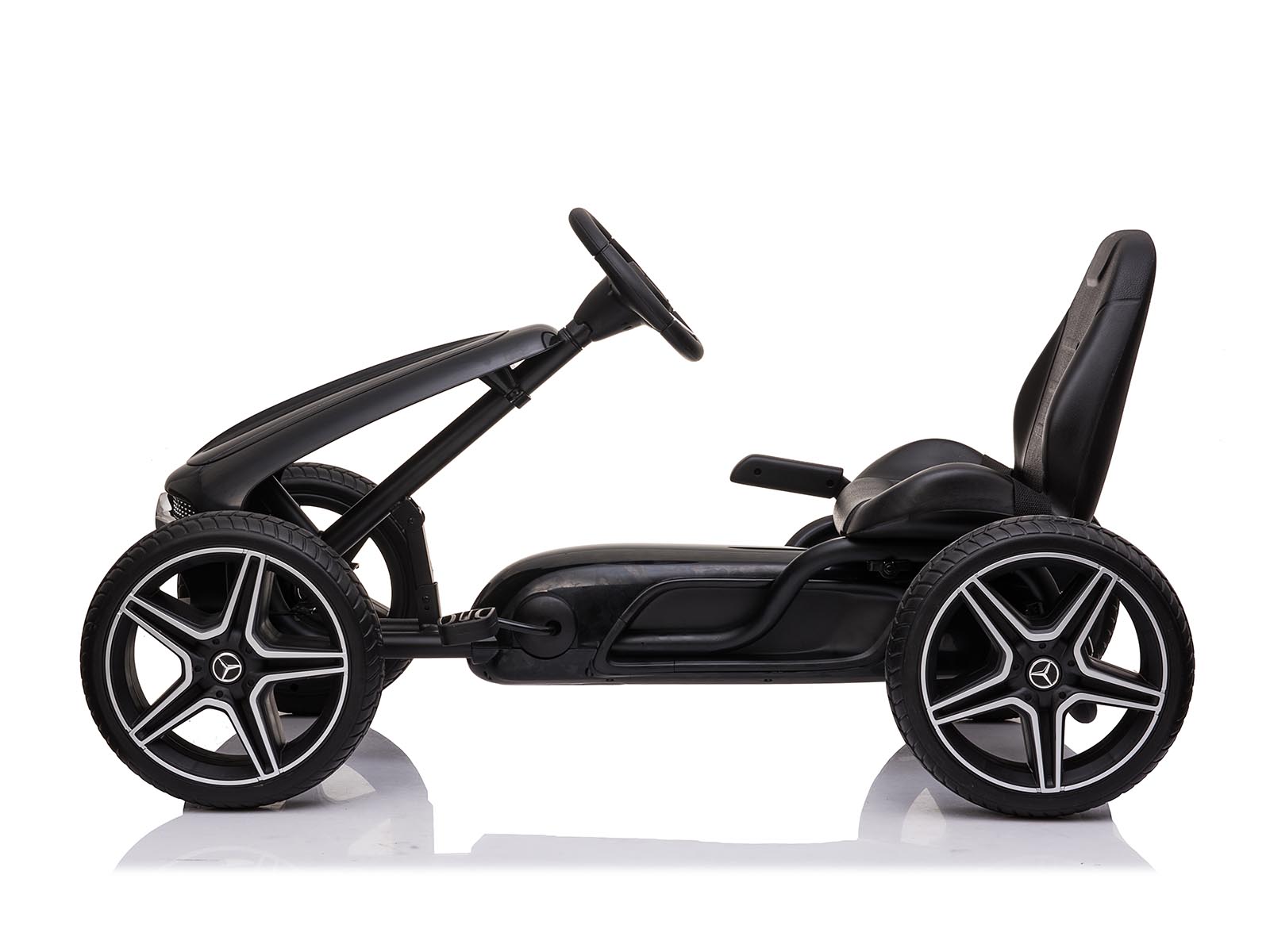
Go-karts offer thrilling outdoor experiences. Yet, controlling these vehicles relies entirely on proper foot setups. Whether you race a motorized track chassis or buy a human-powered toy, pedal configurations vary wildly. Buyers often face confusion regarding DIY component compatibility. Meanwhile, parents and fleet operators struggle to evaluate durability and safety properly.
We will break down exactly how these foot-control systems work. You will learn about mechanical linkages, sim-racing modifications, and human-powered models. This guide provides an evidence-based approach to choosing the right setup. You can match the configuration perfectly to your driver’s age and specific performance needs.
Key Takeaways
Motorized kart setups are strictly binary: Left foot operates the brake, right foot operates the throttle; simultaneous pressing causes mechanical failure.
DIY component upgrades require systemic compatibility: Changing chassis dimensions often necessitates moving from rigid brake rods to cable systems.
A "pedal go kart" represents a distinct vehicle class: These human-powered units require distinct evaluation criteria, prioritizing coaster brake transmissions for B2B fleets and EVA wheels for B2C consumer models.
Sim-racing crossover is viable but technical: Converting physical kart pedals to digital inputs relies on 3-wire potentiometers and micro-controllers.
The Standard Motorized Go-Kart Pedal Layout
The Two-Pedal System Framework
Most motorized go-karts utilize a strict two-pedal layout. The right side holds the throttle. The left side holds the brake. This design mirrors basic automotive controls but requires a different driving technique. Left-foot braking acts as the standard operational rule for racing and recreational karts.
Drivers must never press both pedals at the same time. Driving with both feet engaged creates severe mechanical conflicts. The engine attempts to push the kart forward while the brakes resist. This simultaneous action generates excessive heat. You will quickly experience dangerous brake fade. It also causes rapid clutch burnout and belt wear.
Component Ecosystem & Add-ons
A pedal system extends far beyond the basic metal levers. It operates within a larger component ecosystem. A complete setup usually includes floor trays, footrests, and return mechanisms. These parts work together to keep the driver stable during sharp turns.
Pedal extenders represent a crucial scalability feature. They attach to the existing levers and bring the controls closer to the seat. Families and rental fleets rely on them heavily. Extenders allow karts to accommodate shorter drivers safely. They achieve this without moving the seat forward, which preserves the vehicle's optimal center of gravity.
Material Evaluation (Billet vs. Standard)
Builders must choose between standard OEM materials and upgraded racing parts. High-speed track environments subject drivers to intense G-forces. In these situations, foot grip becomes non-negotiable.
Material Type
Manufacturing Process
Grip Level
Best Use Case
Standard Steel
Stamped or tubular welding
Moderate (often uses rubber pads)
Entry-level, yard karts, light recreation
Billet Aluminum
CNC-machined from solid blocks
High (often features knurled textures)
High-G racing, competitive tracks, aesthetics
Standard steel pedals offer basic functionality. They serve well for casual residential riding. Conversely, CNC-machined billet pedals provide superior strength. Manufacturers often add knurled aluminum covers to these pedals. The textured surface bites into racing shoes, preventing slips during aggressive braking.
Evaluating the Human-Powered "Pedal Go Kart" Category
Defining the Vehicle Class
We must contrast motorized setups against human-powered alternatives. A human-powered model merges bicycle drivetrain principles with a stable, four-wheel chassis. The driver provides all the propulsion. This design eliminates engines, batteries, and complex electronic wiring. Instead, it uses a chain-drive system linked directly to the rear axle.
Consumer Procurement (B2C)
Parents face specific choices when buying for residential use. When evaluating a pedal go kart for kids, you must prioritize safety integrations. Look for wide wheelbases to prevent tipping during sharp turns. Ensure the model features reliable hand-operated brakes for immediate stopping power.
Seat design also matters greatly. Adjustable padded seats accommodate physical growth, extending the toy's lifespan. Tire selection criteria hold equal importance. Avoid traditional hard plastic wheels. They ride rough and wear out quickly on pavement. Instead, opt for EVA soft wheels. These foam-based tires remain completely puncture-proof. They also roll silently, making them perfect for quiet residential neighborhoods.
Commercial Fleet ROI & Modularity (B2B)
Commercial venues approach procurement differently. Campgrounds and resorts use commercial-grade pedal karts as dedicated revenue drivers. These engaging vehicles increase guest dwell time. Families stay longer and spend more when kids have active entertainment options.
Evaluation focuses heavily on modular maintenance. Fleet managers need parts they can replace quickly. They prioritize heavy-duty axle sprockets and sealed coaster brake transmissions. These sealed units resist dirt and moisture, ensuring reliable daily operation. Commercial buyers also look for bundle purchasing options. Buying in bundles helps lower per-unit acquisition costs.
Implementation Risks: DIY Assembly and Maintenance
Throttle Pedal Tension Failures
DIY builders frequently encounter a highly specific assembly error. The throttle pedal simply falls forward passively. It refuses to spring back into an upright position. Novice mechanics often try fixing this by attaching an independent spring directly to the pedal base.
Implementation reality dictates a different approach. The return spring tension should always come from the engine side. You connect the spring to the carburetor linkages. The throttle cable then transfers this pulling tension all the way back to the pedal. This systemic connection ensures the pedal stays upright and responds crisply to your foot.
Brake Linkage Compatibility (Rods vs. Cables)
Chassis upgrades carry distinct mechanical risks. Builders love expanding wheel sizes. Upgrading from 4-inch to 5-inch hubs changes the kart's geometry. It alters the physical distance between the pedal lever and the rear brake band or drum.
You must choose your linkages carefully based on these dimensions. Here is a simple mechanical comparison chart for brake linkages:
Linkage Type
Flexibility
Responsiveness
Best For
Rigid Brake Rod
None (Fixed length)
Instantaneous
Standard, unmodified chassis layouts
Heavy-Duty Brake Cable
High (Routable)
Slightly delayed (requires tensioning)
Stretched frames, modified wheelbases
Rigid brake rods deliver excellent stopping power. However, they lack flexibility. When a rigid brake rod falls short after a chassis stretch, it becomes useless. Builders must then transition to flexible, heavy-duty brake cable systems. Cables route easily around new engine mounts and larger tires.
Cross-Application: Modifying Real Pedals for Sim Racing
The Enthusiast/Geek Use Case
Simulated racing demands high immersion. Many digital racers feel unsatisfied with lightweight plastic gaming controllers. They want the heavy, physical resistance of an authentic kart track. This desire creates a unique cross-application use case. Enthusiasts buy authentic mechanical pedal platforms and modify them for PC racing simulators.
Signal Conversion Realities
You cannot simply plug a mechanical steel pedal into a computer. You must translate physical displacement into digital inputs. This conversion process requires installing specific electronic sensors on the mechanical pivot points.
Install Sensors: Mount potentiometers or Hall-effect sensors to the pedal base. As the pedal moves, the sensor turns.
Wire the System: Utilize a standard 3-wire baseline. Connect VCC (usually 5V or 3.3V) for power. Connect the Ground wire. Finally, route isolated Signal lines for each pedal.
Process the Data: Signal processing requires passing analog data through an ADC (Analog-to-Digital Converter).
Establish PC Recognition: Use micro-controllers like an Arduino board. The board reads the ADC values and translates them into a USB joystick output.
This technical setup delivers incredible realism. The player pushes a true mechanical lever, but the computer registers perfect digital acceleration.
Shortlisting Logic and Next Steps
For Motorized Upgrade Buyers
You should shortlist parts based on driver ergonomics. High-end materials mean nothing if the driver cannot comfortably reach the controls. Watch the driver in the seat. If they struggle to maintain heel contact with the floor tray, act immediately. Prioritize pedal extenders and rubber grommet vibration dampeners first. Invest in shiny billet aesthetics only after securing proper ergonomic fitment.
For B2C Parents
Parents shopping for residential use should filter their options strictly. Find a pedal go kart that guarantees a multi-year lifespan. Children grow rapidly, rendering static toys obsolete quickly. Demand adjustability. Look for multi-position seats that slide back as legs grow longer. Mandate safety features like dual-wheel handbrakes. Always insist on non-inflatable EVA tires to eliminate flat tire maintenance.
For B2B Fleet Managers
Fleet operators must ignore highly-styled, entry-level consumer models. Those units break under daily abusive use. Demand commercial warranties. Prioritize modular models featuring sealed coaster-brakes. A modular design allows your maintenance team to swap broken parts in minutes rather than retiring the entire vehicle.
Conclusion
Evaluating kart pedals comes down to understanding mechanical linkages and strict safety requirements. Whether you upgrade a racing chassis or purchase a human-powered unit, the core principles remain the same. The right configuration dictates the overall driving experience.
Always match your component or vehicle selection strictly to your technical capability. Do not attempt complex DIY cable routing if you prefer an out-of-the-box solution. Assess your driver's specific physical needs carefully. Measure their reach, evaluate their leg strength, and choose a pedal layout that promotes safe, confident steering.
FAQ
Q: Why does my go-kart throttle pedal fall forward?
A: A falling pedal usually indicates improper spring tension. Check the return spring connection at the engine's carburetor. The tension should pull the throttle cable backward from the engine side. This systemic tension keeps the pedal upright. Do not rely on an independent spring mounted directly to the pedal base.
Q: Can you press the gas and brake at the same time on a go-kart?
A: No. Pressing both pedals creates a severe mechanical conflict. The engine tries to accelerate while the brakes forcibly stop the axle. This results in rapid heat buildup, dangerous brake fade, and potential clutch burnout. Always use left-foot braking and alternate your foot pressure.
Q: What are the best tires for a kid's pedal go-kart?
A: EVA foam soft wheels are generally preferred for residential use. They offer excellent puncture resistance, meaning you never deal with flat tires. Additionally, EVA wheels roll much quieter on concrete and asphalt compared to traditional hard plastic wheels.
Q: What is the difference between a brake rod and a brake cable?
A: Rods are solid metal linkages. They are highly responsive but fixed in length, making them inflexible. Cables feature a braided steel wire inside a flexible housing. Cables offer flexible routing and become necessary when altering chassis dimensions or extending wheelbases.