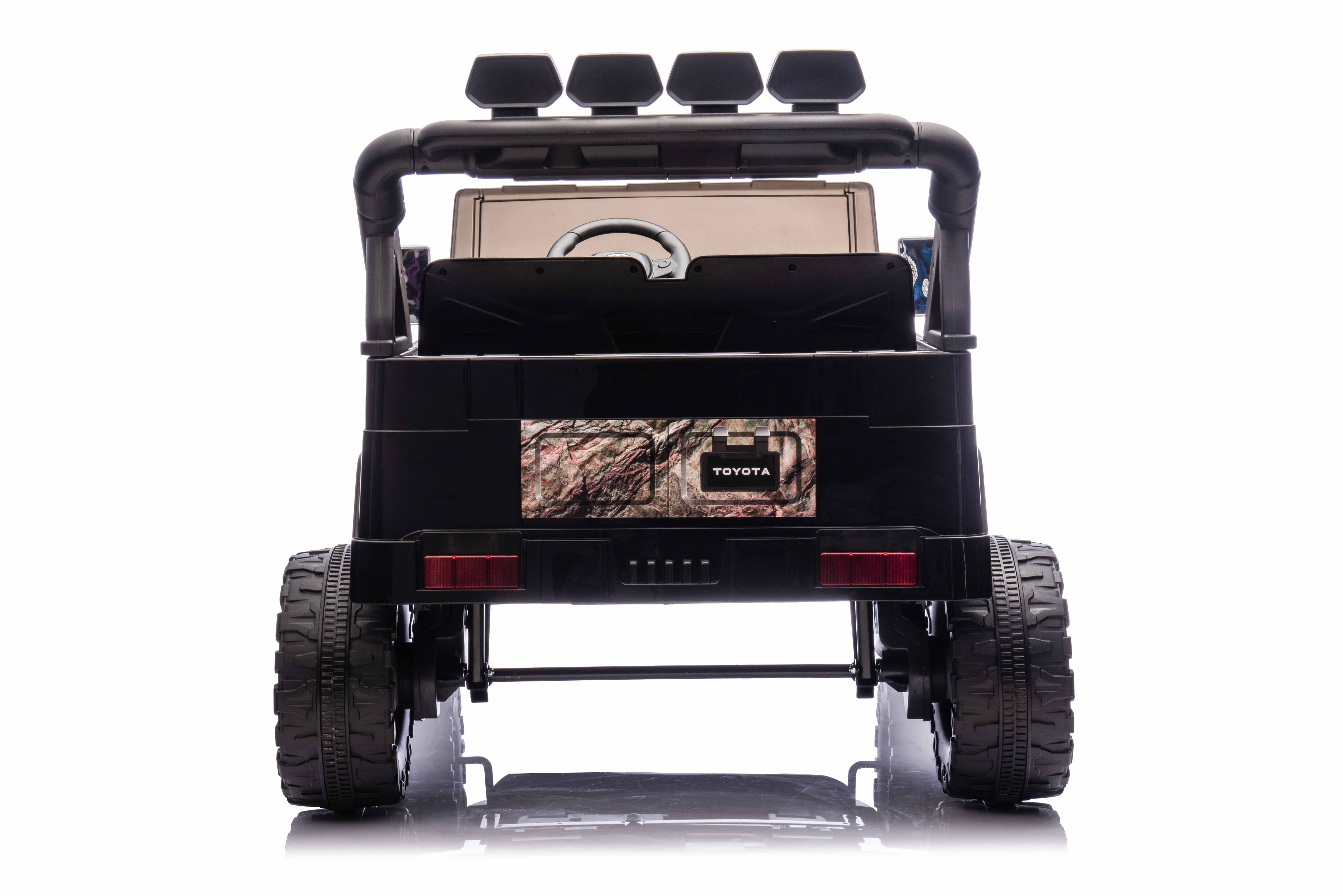
You expect a premium backyard driving experience for your child. The reality often involves a rigid, jarring ride on uneven terrain. A toy vehicle bouncing violently across the lawn damages the equipment and ruins the fun. Buyers face a saturated market where manufacturers frequently use suspension as a marketing buzzword. The challenge lies in determining if the added mechanical complexity translates to actual benefits, safety, and durability for your specific use case.
Before you invest in a ride on car, you need a technical evaluation framework. This guide examines how suspension impacts traction, component longevity, steering control, and rider comfort across different voltage classes. You will learn to identify functional setups, spot cosmetic fakes, and decide if the upgrade matches your driving environment.
Terrain Dictates Necessity: Suspension is largely redundant for smooth pavement but critical for grass, gravel, and uneven backyard terrain to maintain motor traction.
Voltage Correlation: A high-torque 24V ride on car requires functional suspension more than a standard 12V model to prevent wheel spin and structural stress at higher speeds.
Component and Linkage Protection: Beyond rider comfort, genuine shock absorption protects fragile internal electronics, steering linkages, and plastic chassis joints from vibration fatigue.
Stability and Energy Dispersion: Active suspension disperses kinetic energy to prevent the vehicle from tipping over on slopes, keeping all wheels grounded for consistent steering control.
Verification is Required: Many entry-level models feature cosmetic, non-functional plastic springs; verifying actual suspension travel is a mandatory step in the purchasing process.
The Mechanics: How Suspension Works in a Ride On Car
Understanding the anatomy of toy vehicle suspension helps you evaluate its effectiveness. Unlike automotive-grade setups, a toy system relies on simplified geometry. It typically features basic steel coil springs, metal or plastic struts, and simple suspension linkages. These components work together to isolate the vehicle body from the wheels, allowing the axles to move vertically over obstacles while the chassis remains relatively stable.
To understand the mechanical differences, we must look at how these systems are implemented across different models. Manufacturers cut costs by simplifying these designs, which directly impacts performance.
Suspension Type
Mechanical Setup
Primary Benefit
Best Use Case
Rigid Chassis (None)
Axles mount directly to the plastic frame.
Zero maintenance, lowest weight.
Indoor use, smooth concrete driveways.
Rear-Axle Only
Coil springs on the rear drive wheels.
Maintains motor traction on uneven ground.
Flat lawns, minor bumps, transitioning from pavement to grass.
Real vehicles use springs to absorb impacts and fluid-filled dampers (shock absorbers) to control the rebound. Most toy models only utilize undamped coil springs. The spring compresses when the tire hits a rock or a root, absorbing the initial kinetic energy. Without a damper, the spring releases that stored energy quickly, causing a slight bounce.
While basic, this undamped spring action still provides significant mechanical relief compared to a rigid axle. The spring rate—how much force it takes to compress the coil by one inch—determines how well the system works. If the spring rate is too high, the vehicle bounces off obstacles. If it is too low, the suspension bottoms out, transferring the full impact force directly into the plastic chassis.
The Role of Suspension Linkages
Structural linkages connect the axle to the chassis. They stabilize the wheels and maintain alignment under heavy load. When a wheel drops into a dip, the linkage allows the wheel to move vertically while keeping it parallel to the vehicle body. Strong linkages prevent the axle from twisting.
You must inspect these linkages carefully. A poorly designed linkage allows lateral movement, which causes the wheels to toe-in or toe-out erratically over bumps. This erratic movement strips the plastic gears inside the steering rack and puts immense strain on the drive motors. High-quality models use metal trailing arms or reinforced plastic A-arms to keep the suspension geometry strictly vertical.
2-Wheel vs. 4-Wheel Configurations
Manufacturers offer different suspension configurations based on performance goals. Rear-axle-only suspension focuses primarily on drive-wheel traction. It keeps the rear wheels planted to deliver motor torque effectively. If the rear wheels lose contact with the ground, the motors spin freely, and forward momentum stops.
Independent 4-wheel suspension focuses on overall chassis stability. By allowing each wheel to articulate independently, 4-wheel setups handle complex, uneven terrain much better. When one front wheel climbs over a rock, the other three wheels remain flat on the ground. This prevents the vehicle from getting high-centered and stuck on uneven terrain.
The Concept of Adjustable Ride Height
Some premium models offer manual spring preload adjustments or multi-point mounting holes. Adjusting the preload changes the initial spring tension. You tighten the collar on the shock body to compress the spring slightly, adapting the ride for heavier children. This prevents the suspension from sagging under increased weight.
Multi-point mounts allow you to raise the ground clearance for off-road environments. By moving the lower shock mount to a different hole on the control arm, you change the ride height. These features remain rare but offer significant advantages for navigating tall grass or rocky paths where undercarriage clearance is mandatory.
Feature-to-Outcome: What Does Suspension Actually Add?
The addition of suspension directly influences how the vehicle performs and lasts. It moves beyond a simple comfort feature, impacting safety, mechanical integrity, and the overall usability of the toy in real-world conditions.
Shock Absorption and Rider Comfort
Suspension travel reduces the transfer of kinetic energy from bumps and dips to the seat. When the vehicle hits a rock, the spring compresses instead of transferring the jolt directly to the child's spine. This shock absorption reduces jarring impacts.
A smoother ride means the child can operate the vehicle longer without fatigue or discomfort. Constant bouncing causes children to lose their grip on the steering wheel or slip off the accelerator pedal. By smoothing out the terrain, suspension allows the driver to maintain consistent control inputs, resulting in a safer driving experience.
Energy Dispersion and Tip-Over Prevention
A functioning system disperses impact energy laterally. This keeps the chassis level when navigating uneven slopes. By allowing the downhill wheels to extend and the uphill wheels to compress, the suspension lowers the center of gravity relative to the slope angle.
This action significantly reduces the risk of a high-center-of-gravity toy tipping over. Rigid vehicles act like a solid block; if one side lifts over a bump on a hill, the entire vehicle tilts. Independent suspension absorbs that bump, keeping the main body of the vehicle flat and stable.
Traction, Handling, and Steering Control
Suspension keeps the tires in contact with the ground. Maintaining front-wheel contact prevents understeer, ensuring the vehicle turns when the steering wheel is turned. On loose dirt or gravel, suspension preserves steering linkage responsiveness.
If a front wheel lifts off the ground due to a rigid chassis, steering control is lost entirely. The vehicle will plow straight ahead regardless of steering input. Furthermore, keeping the rear drive wheels planted ensures consistent power delivery. Bouncing drive wheels cause erratic surges in speed and put massive shock loads on the plastic gearboxes when the spinning tires suddenly catch traction.
Structural Durability and Lifespan
Rigid impacts destroy plastic components over time. Suspension maps the reduction of chassis vibration to an extended lifespan for critical parts. High-frequency vibrations from driving a rigid toy over gravel will literally shake the vehicle apart.
Functional shock absorption protects the steering column from stress fractures. It prevents axle mounts from cracking under the weight of the vehicle. It also stops battery terminal connections and wiring harnesses from vibrating loose. The initial cost of suspension often pays for itself by drastically reducing repair needs and extending the usable life of the toy.
Evaluating Terrain and Voltage Requirements
Your driving environment and the vehicle's power level dictate the necessity of a suspension system. Matching these factors ensures you get the right performance without overpaying for unnecessary hardware.
Pavement vs. Off-Road Environments
Establish baseline success criteria based on the primary driving surface. If the vehicle operates strictly on smooth concrete or asphalt, a rigid chassis is acceptable. The plastic or rubber tires provide enough compliance for minor surface imperfections.
However, for grass, dirt trails, or gravel, suspension becomes a safety and performance requirement. Without it, the vehicle will lose traction and struggle to move forward. To assess your yard, look for the following indicators that mandate suspension:
Exposed tree roots or uneven landscaping borders.
Transitions between paved driveways and soft lawn surfaces with a height difference greater than one inch.
Gravel driveways with loose stones and ruts.
Sloped terrain where maintaining traction on all four wheels is necessary to prevent sliding.
12V Ride On Car Considerations
Evaluate the trade-offs for 12V systems. A 12V ride on car generally operates at lower speeds, typically maxing out around 3 to 4 mph. At these speeds, the kinetic energy generated by hitting a bump is relatively low.
The added weight of heavy steel springs and suspension hardware can marginally impact battery efficiency on a lower-powered vehicle. However, if the 12V model is used on grass, rear suspension is still highly recommended to maintain traction. For smooth surfaces, you can skip the suspension to maximize run time and reduce the load on the smaller motors.
24V Ride On Car Considerations
Higher voltage systems demand better mechanical support. The increased speed, weight, and torque of a 24V ride on car make 4-wheel suspension a critical feature. These vehicles often reach speeds of 5 to 8 mph.
Kinetic energy increases with the square of velocity. Hitting a bump at 8 mph generates significantly more destructive force than hitting it at 4 mph. Suspension is necessary for maintaining control at these higher speeds, dispersing energy safely, and preventing rapid tire wear caused by wheel spin on uneven ground. A rigid 24V vehicle will quickly destroy its own gearboxes if driven aggressively off-road.
Trade-Offs and Implementation Risks
While suspension offers clear mechanical benefits, it introduces specific trade-offs regarding maintenance, vehicle weight, and overall complexity.
Cost vs. Verifiable Value
Suspension-equipped models carry premium pricing. You must calculate if the price jump is justified by your intended use case. If you have a flat, paved driveway, the extra cost provides little verifiable value. The rigid chassis will perform just fine.
If you have a bumpy, sloped backyard, the investment is justified by the prevention of motor burnout and chassis damage. A rigid vehicle driven on rough terrain will frequently get stuck, requiring you to constantly push it free. The verifiable value of suspension in this scenario is uninterrupted playtime and fewer broken gearboxes.
Maintenance and Component Wear
Moving parts require maintenance. Spring fatigue occurs over time, causing the vehicle to sag. Exposed metal coils can rust if left outside in damp conditions. Plastic linkage mounting brackets can develop stress fractures from repeated heavy impacts.
To keep the suspension functioning properly, you must implement a basic maintenance routine:
Inspect the shock shafts for bending after heavy impacts or collisions.
Apply a dry silicone lubricant to the pivot points and shock shafts every three months to prevent binding.
Check the mounting bolts connecting the suspension arms to the chassis; tighten any that have vibrated loose.
Spray exposed steel springs with a rust inhibitor if the vehicle is stored in a humid environment.
The Weight Penalty
Heavy metal springs, reinforced steel axles, and extra plastic linkages add to the gross vehicle weight. This weight penalty increases the unsprung mass of the vehicle. Unsprung mass refers to the components not supported by the suspension, like the wheels and axles.
High unsprung mass makes it harder for the suspension to react quickly to bumps. Additionally, the overall weight increase can offset torque gains if the motor is underpowered. Ensure the vehicle has adequately sized motors to handle both the weight of the child and the added mass of the suspension system. A heavy suspension system paired with weak motors results in sluggish acceleration and poor hill-climbing ability.
Buyer's Decision Framework: Specifying the Right Setup
Selecting the right suspension requires careful inspection of product specifications and visual details to avoid marketing gimmicks. Manufacturers know buyers look for suspension, so they often fake it.
Identifying Cosmetic vs. Functional Suspension
Many cheap models feature fake suspension. Look for molded plastic that doesn't compress or non-functional dummy shocks bolted directly to a rigid frame. A functional system must have visible travel clearance above the wheel.
If the wheel arch sits tight against the tire, the suspension cannot compress without the tire rubbing the plastic body. Perform a physical push test if possible. Press down firmly on the front and rear bumpers. The vehicle body should yield, compress the springs, and spring back smoothly. If it feels solid, the suspension is purely cosmetic.
Evaluating Spring Stiffness and Weight Capacity
The stiffness of the coil springs must align with the child's weight. A suspension that is too stiff acts exactly like a rigid axle for a light child. The springs will not compress over bumps, transferring all the shock to the chassis.
Conversely, a suspension that is too soft will bottom out immediately under a heavier child, negating any benefit and causing the tires to scrape the wheel wells. Check the manufacturer's weight capacity guidelines to ensure the springs are rated appropriately. If you are buying for a toddler, look for softer spring rates or adjustable preload collars.
Shortlisting Criteria
Create a strict checklist for evaluating product specifications before making a purchase. Do not rely solely on the marketing copy.
Verify if the setup is independent or a solid axle design. Independent suspension handles off-road bumps significantly better.
Check for the presence of physical linkages connecting the axle to the frame. Avoid models where the axle just floats in a vertical plastic slot.
Look for models offering adjustable pre-load if you anticipate the child growing significantly while using the vehicle.
Examine the shock bodies; metal shock bodies dissipate heat and resist cracking better than cheap plastic tubes.
Conclusion
Inspect the undercarriage photos of your shortlisted models to verify the presence of actual coil springs and physical linkages.
Match the vehicle voltage and suspension type to your specific terrain; mandate 4-wheel suspension for 24V models used on grass or gravel.
Perform a physical push test on the bumpers to ensure the suspension actually compresses and rebounds smoothly.
Implement a quarterly maintenance routine to lubricate pivot points and check for loose mounting bolts.
FAQ
Q: Do all electric ride on cars have suspension?
A: No. Many entry-level models use a rigid chassis to keep manufacturing costs down. Functional suspension is typically found on mid-range to premium models specifically designed for outdoor or off-road use.
Q: Is 4-wheel suspension better than 2-wheel suspension for a ride on car?
A: Yes, for uneven terrain. 4-wheel independent suspension keeps all tires planted, improving stability, steering control, and traction significantly better than rear-only setups.
Q: Does a 24V ride on car need suspension more than a 12V ride on car?
A: Yes. The higher speeds and increased torque of a 24V system create harsher impacts and require better traction management, making suspension critical for control and durability.
Q: How does a suspension system affect the battery life of a toy car?
A: The added weight of suspension components slightly reduces battery efficiency. However, by maintaining better traction on rough terrain, it prevents wasteful wheel spin, balancing out the power draw.
Q: Can you add an aftermarket suspension to a rigid ride on car?
A: It is highly difficult and usually impractical. Rigid chassis lack the necessary mounting points and structural reinforcements required to install functional suspension linkages and springs.
Q: Can you adjust the ride height or spring preload on a ride on car with suspension?
A: Only on select premium models. Some high-end vehicles offer threaded shock bodies or multiple mounting holes to adjust preload and ground clearance, but this is not a standard feature.
Q: How can I tell if the suspension on a ride on car is real or just cosmetic plastic?
A: Look for physical metal coil springs and visible travel space above the wheels. Press down firmly on the vehicle body; functional suspension will compress and rebound smoothly.