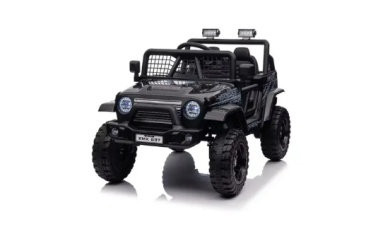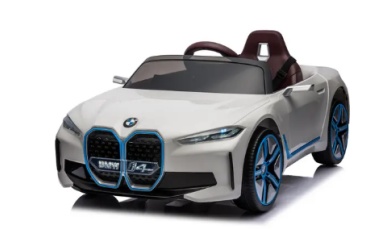
Every parent (and plenty of kids) has asked the same question after a few weeks of play: how to make a ride on car faster. Sometimes the car feels slower because the battery is aging. Sometimes the wheels are dragging. Sometimes it’s simply the ground surface, temperature, or extra weight making the ride-on struggle. And sometimes, it’s expectations—most kids’ ride-on cars are designed with safety-first speed limits.
At BIG RIDE ON CARS Co., Ltd., we build and supply ride-on vehicles with the goal of fun and safe everyday use. So we’ll be very direct: we don’t recommend “high-voltage rewiring,” bypassing limiters, or DIY electrical modifications that push a toy vehicle beyond its designed speed. Those changes can increase heat, damage controllers and motors, shorten battery life, and most importantly raise safety risk for children.
What we can do is show you the safe, practical ways to make a ride on car feel faster (or restore its original speed) by improving efficiency, reducing drag, ensuring proper battery performance, and matching the car to the right surface and load. Many families are surprised how much “speed” they get back just by fixing the basics.
First, understand what “faster” really means for a ride-on car
There are two different situations:
Your ride-on car used to be faster, but now it feels slow
This is usually a maintenance, battery, or friction problem. Good news: you can often restore speed safely.
Your ride-on car runs normally, but you want more top speed than it was designed for
In this case, the safest path is usually choosing a model built for higher performance (stronger motor system, appropriate gearing, proper brakes, better stability) rather than modifying a lower-rated unit.
This article focuses on safe optimization and restoring performance.
Step 1: Check the battery health (the #1 cause of slow speed)
A ride-on car’s speed is heavily tied to voltage under load. Even if a battery “looks charged,” a tired battery can sag when the motor demands power.
Signs the battery is the problem
car moves fine with no rider, but slows with a child onboard
speed drops quickly after starting
car is much slower on grass than before
the battery feels hot after short use
the car’s runtime is noticeably shorter than normal
Safe ways to improve battery performance
Use the correct charger made for the battery type and voltage
Charge fully after play sessions (don’t store it half-dead for long periods)
Avoid deep discharges (running until it completely stops every time can shorten life)
Store in moderate temperature (very cold or very hot storage reduces performance)
If the battery is old or failing, replacing it with the correct spec can bring back the car’s original speed more than any other “trick.”
Step 2: Reduce rolling resistance (friction = “slow”)
Many ride-on cars lose speed because something is dragging.
Quick friction checks
Lift each drive wheel and spin it by hand
It should rotate smoothly and stop gradually
If it stops suddenly, something is rubbing
Listen for scraping, clicking, or grinding
Check if one wheel is much harder to turn than the others
Common friction causes
hair/thread wrapped around axles
dirt buildup in wheel hubs
misaligned wheel assembly
bent axle or damaged bushing
over-tightened wheel nuts (on some designs)
A clean drivetrain often restores “snap” and improves hill performance.
Step 3: Check tire condition and traction
If your ride-on car is slipping, it may sound fast, but it won’t move fast.
Improve traction safely
Wipe tires clean (dusty tires slip on smooth floors)
Use the car on suitable surfaces
Avoid wet ground or sandy areas that cause spin
Ensure tires aren’t cracked or hardened from age
On smooth indoor surfaces, traction is often the limiting factor, not motor power.
Step 4: Use the right surface (terrain can cut speed by half)
Surface makes a massive difference. A ride-on car that feels quick on pavement may crawl on thick grass.
Typical surface impact
Smooth pavement: fastest, lowest resistance
Short, dry grass: moderate resistance
Thick grass / soft soil: high resistance, slower speed
Carpet: can be surprisingly slow depending on pile height
If you want it to feel faster without any mechanical changes, the simplest move is choosing a smoother, flatter riding area.
Step 5: Manage load and “real-world weight”
Ride-on cars are designed with a recommended weight limit. Exceeding it won’t just reduce speed; it can strain motors and gears.
Load factors that slow the car
older/heavier child near max limit
carrying a second child on a single-seater
towing toys behind the car
heavy backpacks or accessories onboard
Keeping within rated load is the safest way to maintain good speed and protect the drivetrain.
Step 6: Restore good electrical contact (simple but overlooked)
Speed loss can come from increased resistance in connectors.
What to look for
Safety note: Always power off and disconnect the battery before inspecting connections. If anything looks burnt or melted, stop using the car and replace damaged parts through proper service channels.

Step 7: Confirm you’re using the “high speed” mode properly
Many ride-on cars have:
Check the user manual behavior:
Some cars only enable high speed when not using remote control
Some require a restart to switch modes
Some limit speed when the battery is low
Table: Safe ways to make a ride on car faster (without risky mods)
What you do | Why it helps | What you’ll notice |
Replace an aging battery (same rated spec) | restores voltage under load | better acceleration and steady speed |
Clean wheels/axles and remove hair/debris | reduces friction | smoother rolling, less strain |
Use a smooth, flat surface | lowers resistance | immediate speed improvement |
Keep within weight rating | protects motor and gears | better hill performance, longer runtime |
Tighten/clean electrical connectors | reduces power loss | less “weak” feeling under load |
Confirm high-speed mode/settings | avoids accidental low-speed limit | improved top speed (within design) |
What we don’t recommend (and why)
To be clear, we don’t recommend instructions such as:
increasing voltage beyond design rating
bypassing speed limiters
rewiring controllers or motors
“hot-rodding” gears without engineering checks
These changes can create overheating, sudden acceleration, unstable steering, brake mismatch, and battery failures. If your goal is truly higher speed, it’s safer to select a model designed for it.
A smarter upgrade path if you truly need “more speed”
If your child has outgrown a slower unit, consider upgrading to a ride-on built for:
higher-torque motor system
stronger controller with proper thermal protection
better traction and stability
appropriate braking and speed management
larger wheels for uneven outdoor surfaces
This delivers the “faster” feeling in a way that stays safe and reliable.
Our recommendation at BIG RIDE ON CARS Co., Ltd.
At BIG RIDE ON CARS Co., Ltd., our approach is simple: first restore the car to peak condition (battery, drivetrain, traction, surface), then decide if the child’s needs have outgrown the vehicle’s design. Most “slow ride-on” complaints are solved by battery replacement (correct spec) plus friction reduction and better surface choice—no risky modifications needed.
If you share your ride-on car voltage (commonly 6V/12V), battery type, child weight range, and where it’s driven (pavement/grass), we can recommend the best safe path to improve performance or suggest a better-matched model option.
Conclusion
So, how to make a ride on car faster safely? Start with the basics that actually control real speed: healthy battery performance, low drivetrain friction, good traction, appropriate surface, and correct operating settings. These steps often restore the car’s original performance and make it feel noticeably quicker without pushing the vehicle beyond its intended design. If you truly need higher speed than the car was built for, the safest answer is choosing a ride-on designed for that performance level rather than electrical modifications.
To learn more about ride-on car options, replacement parts guidance, and safer performance solutions, you’re welcome to contact BIG RIDE ON CARS Co., Ltd. for more information.
FAQ
1) Why is my ride on car suddenly slower than before?
Most often it’s battery aging, low charge, poor connectors, or increased friction in wheels/axles. Start with a battery and drivetrain check.
2) Does changing the surface really make a ride on car faster?
Yes. Smooth pavement can feel much faster than thick grass or carpet because rolling resistance is much lower.
3) Will a new battery make my ride on car faster?
If the old battery is weak, replacing it with the correct rated specification often restores acceleration and top speed back to normal.
4) What’s the safest way to get a faster ride-on car experience?
Restore the current car’s efficiency (battery, friction, settings). If you need more than the design speed, upgrade to a model built for higher performance.