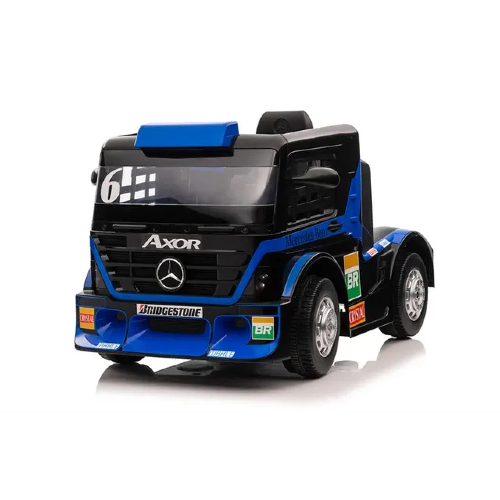
When it comes to selecting the perfect ride on car for your child, it's important to make an informed decision. A ride on car is not just a toy—it's an investment in your child’s growth, development, and entertainment. Choosing the right car can help enhance your child's physical, cognitive, and emotional development while ensuring their safety and enjoyment.
The right ride on car encourages motor skills development, enhances problem-solving abilities, and fosters a sense of responsibility. However, with so many options on the market, it can be overwhelming to determine which model is best suited for your child. This guide will walk you through the essential factors to consider when choosing the best ride on car for your child’s needs.
1. Age and Size: Finding the Right Fit
Age Recommendations
One of the first things to consider when selecting a ride on car is the recommended age range. Age recommendations are typically provided by the manufacturer to ensure the ride on car is safe and appropriate for your child’s developmental stage.
1–3 years: For toddlers, choose smaller, simpler cars that are easy to control. These models often have low speeds, and their design focuses on safety features like enclosed seating and sturdy construction.
3–5 years: For preschoolers, look for ride on cars that offer a bit more speed and maneuverability. These models may have enhanced features like working lights, sounds, and remote control capabilities for parents.
5+ years: Older children can handle more complex models that offer higher speeds, real-life features (like car doors or adjustable seats), and a more robust driving experience.
Size Considerations
In addition to age, it’s essential to consider the size of the ride on car. The vehicle should fit your child comfortably, with enough room for them to sit and operate the controls safely.
Seat Height and Width: Ensure that the seat is wide enough to accommodate your child’s body and that their feet can comfortably reach the pedals or floor.
Weight Capacity: Check the maximum weight limit for the ride on car. Make sure it can support your child’s current weight and allow for some growth.
Adjustable Features
Many modern ride on cars offer adjustable seats or customizable features that can grow with your child. This ensures that the car can be used for several years, making it a more cost-effective option in the long run.
2. Safety Features: Ensuring a Safe Ride
When purchasing a ride on car, safety should be your top priority. Here are some essential safety features to look for:
Seat Belts
Seat belts are a crucial safety feature for any ride on car. They help keep your child securely in place during their ride, preventing them from falling out or being jostled during movement. Be sure to choose a model that has an adjustable seat belt to ensure a snug and comfortable fit for your child.
Parental Remote Control
A ride on car equipped with a parental remote control offers an extra layer of safety. This feature allows parents to override the child’s controls and maintain full control over the car’s speed and movement. Remote control is especially useful for younger children who are still learning to navigate their vehicle.
Speed Limiter
A speed limiter ensures that your ride on car does not exceed a certain speed, providing additional safety, especially for younger children. Most models come with two or more speed settings to accommodate different skill levels, so you can adjust the car’s maximum speed based on your child’s experience.
Speed Setting |
Recommended Age Group |
Maximum Speed |
Safety Benefits |
Low |
1–3 years |
2–3 mph |
Provides a gentle and safe pace for toddlers |
Medium |
3–5 years |
4–5 mph |
Ideal for preschoolers with better motor skills |
High |
5+ years |
6–7 mph |
Suitable for older children with more experience |
Tires and Stability
The tires of a ride on car significantly affect its stability and safety. Rubber tires provide better traction, especially on outdoor surfaces like grass or gravel. Additionally, they absorb shock better, offering a smoother ride. Ensure the ride on car has high-quality tires that are designed for both indoor and outdoor use to ensure stability and avoid tipping.
Soft Start/Stop Mechanism
Many ride on cars feature a soft start/stop mechanism, which prevents the car from jerking forward or stopping abruptly. This is particularly important for younger children, as sudden movements can be startling and potentially lead to accidents.
3. Type of Ride On Car: Choosing the Right Model for Your Child’s Interests
Choosing the right type of ride on car depends on your child’s preferences and age. Here are some popular options:
Electric Cars
Electric-powered ride on cars are the most common and are easy for children to operate. They come with pedals for acceleration and sometimes a steering wheel or buttons for additional features like lights and sounds. These cars are great for toddlers and younger children who are still learning to drive.
Motorcycles and ATVs
For older children who want a different experience, motorcycles and ATVs are an exciting option. These vehicles are designed for adventure and outdoor exploration. They often feature more powerful motors, better suspension, and higher speeds than standard electric cars, making them ideal for children who are ready for more advanced riding.
Jeep and Trucks
Jeep and truck models are a popular choice for adventurous children who want to explore rough terrain. These ride on cars usually come with four-wheel drive, making them more suitable for outdoor play. Some even come with additional features like cargo spaces or working headlights.
Licensed Cars (Brand Cars)
Licensed ride on cars are designed to look like real vehicles, such as Mercedes-Benz, BMW, and Lamborghini. These cars feature realistic details, such as functioning doors, dashboards, and working lights, making them highly appealing to children who love cars. They offer both fun and educational value by introducing kids to car brands they may recognize from their parents’ vehicles.
Convertible Ride On Cars
Some ride on cars come with convertible features that allow them to transform into different models or styles, giving your child even more variety in their playtime. Convertible cars can be used for both indoor and outdoor play, providing versatility and adaptability.
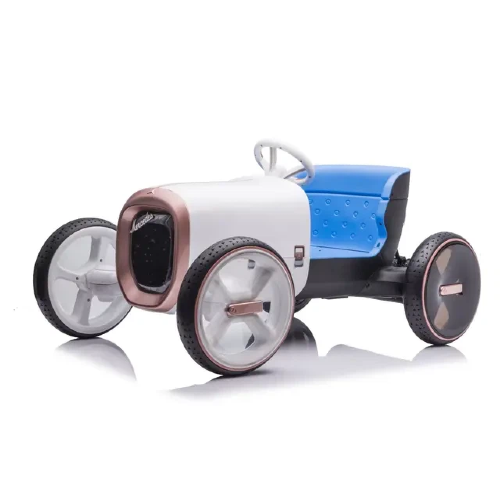
4. Battery Life and Charging: Long-Lasting Playtime
Battery Types
The battery life of a ride on car is crucial to how long your child can play. Different models come with various battery options, including:
6V Batteries: Typically suitable for younger children, offering lower speeds and shorter playtimes.
12V Batteries: Suitable for older children, providing more power for longer playtimes and higher speeds.
24V and 48V Batteries: These are generally used for larger vehicles or higher performance models, offering extended playtime and faster speeds.
Charging Time
Most ride on cars require 6-12 hours for a full charge. Be sure to check the manufacturer’s recommendations for charging times and avoid overcharging the battery, as this can reduce its lifespan.
Battery Life
The average battery life for a ride on car is between 1 and 2 hours of continuous play. The battery life depends on factors such as the type of car, the terrain, and the weight of the child. To extend the battery life, ensure that you follow proper charging practices and store the car in a cool, dry place when not in use.
5. Durability and Build Quality: Investing in a Lasting Product
Materials
Look for ride on cars made from durable materials such as high-quality plastic, metal, and rubber. These materials are designed to withstand outdoor conditions, ensuring that the car remains in good condition after prolonged use.
Weight Capacity
Check the maximum weight capacity for the ride on car to ensure it can accommodate your child as they grow. Most cars have a weight limit between 30-80 pounds, but it’s essential to verify this before purchasing.
Weather Resistance
If you plan to use the ride on car outdoors, consider a model with weather-resistant features. Cars with weatherproofing or UV-resistant coatings will last longer and remain in good condition, even if exposed to rain or sun.
6. Design and Features: Making It Fun
Interactive Features
One of the key elements that make ride on cars so fun for children are the interactive features. Many models come with working headlights, horn sounds, music, and even Bluetooth speakers. These added features enhance the driving experience, making the ride on car more entertaining and engaging for your child.
Customization Options
Some ride on cars allow for customization, such as adding stickers, decals, or different-colored accessories. This gives children the chance to personalize their car, which can be an exciting and creative activity.
Realistic Features
For children who love realistic toys, many ride on cars come with functional doors, mirrors, and dashboards. These features make the car feel more like a real vehicle and can help foster imaginative play, as children pretend they’re driving to different destinations.
7. Price and Value: Finding the Best Deal
Budget Considerations
When purchasing a ride on car, it’s important to set a budget. Basic models with fewer features are more affordable, while high-end cars with premium features like licensed designs and advanced motors will cost more. Consider how much you’re willing to invest in a ride on car that will offer long-term value.
Value for Money
While it’s tempting to go for the cheapest option, it’s important to balance price with quality. Invest in a ride on car that offers durable construction, safety features, and enough entertainment value to justify the cost.
Warranty and Support
A ride on car with a good warranty and customer support can save you money in the long run. Look for a model that comes with a warranty to protect your investment and ensure that you can get assistance if any issues arise.
8. Conclusion
Choosing the best ride on car for your child goes beyond just picking one based on its appearance. It’s crucial to assess key factors such as safety features, size, battery life, and durability to ensure it aligns with your child's developmental needs. By carefully considering these elements, you can make an informed choice that provides not only hours of fun but also valuable learning experiences.
At BIG RIDE ON CARS, we understand the importance of combining fun with safety and development. Our ride on cars are designed with the highest standards of safety and quality in mind, ensuring a safe, enjoyable, and enriching experience for your child. By choosing one of our models, you’re not only giving your child a toy but an opportunity to enhance their physical, cognitive, and social skills.
We invite you to explore our wide range of ride on cars to find the perfect match for your child. Our team is always ready to assist you in making the best choice for your child’s growth and playtime. Reach out to us for more information or personalized recommendations. Let us help you invest in your child’s happiness and development today.
9. FAQs
What are the developmental benefits of a ride-on car?
Ride on cars help improve physical development by promoting coordination, balance, and motor skills. They also enhance cognitive abilities by encouraging problem-solving and decision-making.
Are ride-on cars safe for children?
Yes, ride on cars are designed with safety in mind, featuring essential safety features like seat belts, speed limiters, and parental remote controls. Always ensure that your child uses the car in a safe environment and under supervision.
What age is appropriate for a ride-on car?
Ride on cars are suitable for children aged 1 to 6 years, with various models designed for different age groups. Always check the manufacturer’s age recommendations for each model to ensure it is appropriate for your child.
Do ride-on cars help with social development?
Yes, ride on cars offer opportunities for children to engage in social play with peers, encouraging teamwork, communication, and sharing. These social interactions are essential for developing strong social skills.
How do ride-on cars help build confidence?
Mastering the operation of a ride on car helps children develop a sense of independence and accomplishment, boosting their self-confidence and encouraging them to take on new challenges.


