When choosing a ride on car for your child, one of the first decisions you'll face is whether to opt for an electric-powered model or a pedal-powered one. Both types offer unique benefits, but they also cater to different needs, ages, and developmental stages.
Electric ride on cars are battery-operated and offer a more thrilling experience with realistic features like working headlights and sound effects. Pedal cars, on the other hand, are manually powered and provide an active play experience that promotes physical exercise. This guide will help you understand the differences between these two types of ride on cars and make an informed choice based on your child's needs, preferences, and safety considerations.
1. Electric Ride-On Cars: Features and Benefits
Overview of Electric Ride-On Cars
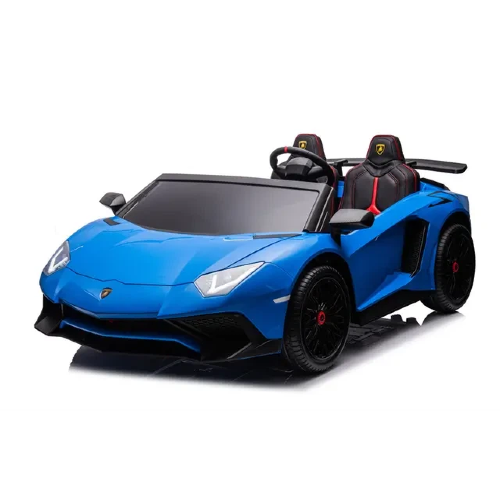
Electric ride on cars are powered by rechargeable batteries that drive the motor. These cars often come with a range of features, such as adjustable speed settings, working lights, and even sound systems, making them more advanced and interactive than traditional pedal cars. They are typically designed for children aged 3 and above, depending on the model’s complexity and features.
Key Features of Electric Ride-On Cars
Battery and Charging: Electric ride on cars require regular charging. They typically come with a 6V, 12V, or 24V battery, depending on the model's power needs and intended speed.
Speed and Control: These cars are equipped with adjustable speed settings. Some models even feature parental remote control, giving parents the ability to override the child’s driving if necessary, ensuring greater control and safety.
Realistic Designs: Many electric ride on cars are designed to resemble real-life vehicles, with functioning doors, dashboards, and branded models (e.g., Mercedes, BMW, and Lamborghini). These features appeal to children who love realistic play experiences.
Benefits of Electric Ride-On Cars
Convenience: Electric cars are easy for children to operate. With the push of a button, they can start driving without the need to pedal, making them ideal for younger children who might struggle with the coordination required for a pedal car.
Longer Playtime: Since they are motor-powered, electric ride on cars typically offer longer play sessions compared to pedal cars, lasting anywhere from 1 to 2 hours on a full charge.
Higher Speeds: Electric ride on cars can reach higher speeds, making them more exciting for older children who enjoy faster-paced play.
Enhanced Play Features: Many electric models come with additional features, such as working lights, sounds, MP3 players, and even Bluetooth connectivity. These added features make the experience more engaging for children.
Feature | Electric Ride-On Car | Pedal Car |
Power Source | Rechargeable battery | Pedaling by child |
Speed Control | Adjustable speed, remote control available | Controlled by child’s pedaling effort |
Physical Activity | Minimal physical exertion, ideal for less active play | Encourages physical activity and leg strength |
Duration of Play | 1-2 hours of play per charge | Continuous play, limited by child’s endurance |
Realistic Features | Working lights, sounds, realistic design (brand cars) | Simple mechanical design |
2. Pedal Cars: Features and Benefits
Overview of Pedal Cars
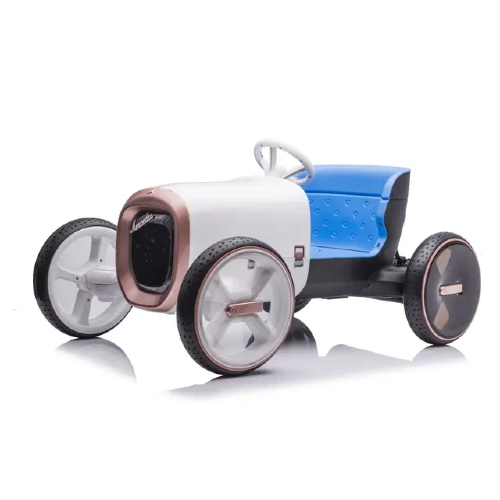
Pedal-powered ride on cars require children to use their legs to power the vehicle. These cars are simpler in design and are typically suitable for younger children who are still developing their motor skills. Pedal cars promote active physical play and can be used on a variety of terrains, both indoors and outdoors.
Key Features of Pedal Cars
Manual Operation: Pedal cars do not rely on batteries or motors. Instead, children use their feet to pedal and steer, offering an interactive, hands-on experience that requires physical effort.
Design and Simplicity: Pedal cars often have a simpler design with fewer moving parts than electric cars. They typically consist of sturdy plastic or metal frames with basic features such as working wheels and simple steering mechanisms.
No Need for Charging: Unlike electric cars, pedal cars don’t require charging. They are always ready for use, which makes them a convenient option for outdoor play.
Benefits of Pedal Cars
Physical Exercise: Pedal cars are a great way for children to engage in physical activity. Pedaling helps children develop their leg muscles, improve cardiovascular health, and enhance coordination and balance.
Simplicity and Durability: Pedal cars are more durable due to their fewer electronic components. They tend to last longer with minimal maintenance, making them a more cost-effective choice over time.
Eco-Friendly: Pedal cars are entirely eco-friendly since they don't require electricity or batteries. They provide a sustainable option for environmentally conscious families.
Ideal for Younger Children: Pedal cars are perfect for children as young as 2-3 years old who are learning how to control their movements and build leg strength. They offer a slower, more controlled ride that allows for safe exploration.
![Ride on Car]()
3. Key Differences: Electric vs. Pedal Ride-On Cars
Speed and Control
Electric ride on cars are faster than pedal cars and can reach speeds of up to 5-7 mph, depending on the model. This is ideal for children who enjoy a thrilling ride. Pedal cars, on the other hand, are slower and are controlled by the child’s pedaling effort, offering a more relaxed pace of play.
Physical Activity
Pedal cars promote physical activity by requiring children to pedal the car to move. This helps develop leg muscles, coordination, and cardiovascular health. In contrast, electric ride on cars require minimal physical exertion, making them better suited for children who prefer a more passive, less physically demanding experience.
Maintenance and Durability
Pedal cars are simpler and have fewer components, making them more durable and easier to maintain. Electric ride on cars, while offering more advanced features, require more maintenance, including battery care, charging, and motor checks.
Safety Considerations
Both types of ride on cars have safety features such as seat belts and parental controls. However, electric ride on cars may require more supervision due to their higher speeds and more complex controls. Pedal cars are generally safer for younger children as they offer a slower pace and simpler mechanics.
4. Which Is the Best Choice for Your Child?
Consider Your Child’s Age
Electric Cars: Best for children aged 3-6 years who can handle higher speeds and enjoy realistic features.
Pedal Cars: Ideal for children aged 2-5 years who need to develop their coordination and motor skills while enjoying slower-paced play.
Developmental Needs
Electric Cars: Suitable for children who are developing cognitive skills and enjoy using technology and realistic features. They’re also ideal for children who prefer a more effortless experience.
Pedal Cars: Great for encouraging physical activity and improving motor skills. Pedal cars help children build strength and coordination while having fun.
Safety Considerations
Electric Cars: While they come with parental controls, electric cars are faster and may require more supervision.
Pedal Cars: Typically safer for younger children due to their slower speeds and lack of electric components.
Outdoor Use
Electric Cars: Best for smooth, flat surfaces like sidewalks or driveways.
Pedal Cars: Can be used on a variety of terrains, making them suitable for outdoor play in parks, yards, or rougher areas.
5. Price Considerations
Cost of Electric Ride-On Cars
Electric ride on cars tend to be more expensive due to the battery, motor, and additional features such as sound systems and working lights. Prices for electric cars can range from $100 to $500 or more, depending on the brand and features.
Cost of Pedal Cars
Pedal cars are generally more affordable, with prices typically ranging from $50 to $200. Since they have fewer components and do not require charging, they provide a more budget-friendly option.
Which Provides Better Value?
The best option depends on your budget and what you're looking for in a ride on car. If you're looking for an engaging experience with advanced features and longer playtime, an electric car might be the right choice. However, if you’re focused on physical activity, durability, and a lower price point, a pedal car may be a better value.
6. Conclusion
When choosing between an electric ride on car and a pedal car, it's essential to consider your child’s age, developmental stage, and personal preferences. Each type offers unique benefits—pedal cars promote physical activity and muscle development, while electric ride on cars provide a more interactive, feature-rich experience with added excitement.
By evaluating key factors like speed, safety, maintenance, and cost, you can select the ideal option that suits your child’s needs and provides the most enjoyment. Whether you're drawn to the active play of a pedal car or the thrilling ride of an electric ride on car, both choices offer a fun and enriching experience.
At BIG RIDE ON CARS, we specialize in providing high-quality ride on cars that combine fun, safety, and developmental benefits. Our wide range of models ensures there’s the perfect car for your child’s age and interests. Contact us today to learn more and find the ideal ride on car to support your child’s growth and playtime. Let us help you make the right choice for your child's fun and development.
7. FAQs
Which is safer, electric or pedal ride-on cars?
Both are safe when used correctly. However, electric cars require more supervision due to their higher speeds, while pedal cars are generally slower and better suited for younger children.
At what age should my child use a pedal or electric ride-on car?
Pedal cars are suitable for younger children, typically 2-5 years old. Electric cars are ideal for children aged 3-6 years who can handle higher speeds and enjoy more interactive features.
How long does the battery last on an electric ride-on car?
The battery usually lasts for about 1-2 hours of continuous play. Charging typically takes 6-12 hours for a full charge.
Can electric ride-on cars be used outdoors?
Yes, most electric ride on cars are designed for outdoor use, but they perform best on flat surfaces. For rougher terrain, a pedal car may be more suitable.
Are pedal cars good for exercise?
Yes, pedal cars are great for physical activity, helping children develop leg strength, coordination, and endurance through active pedaling.