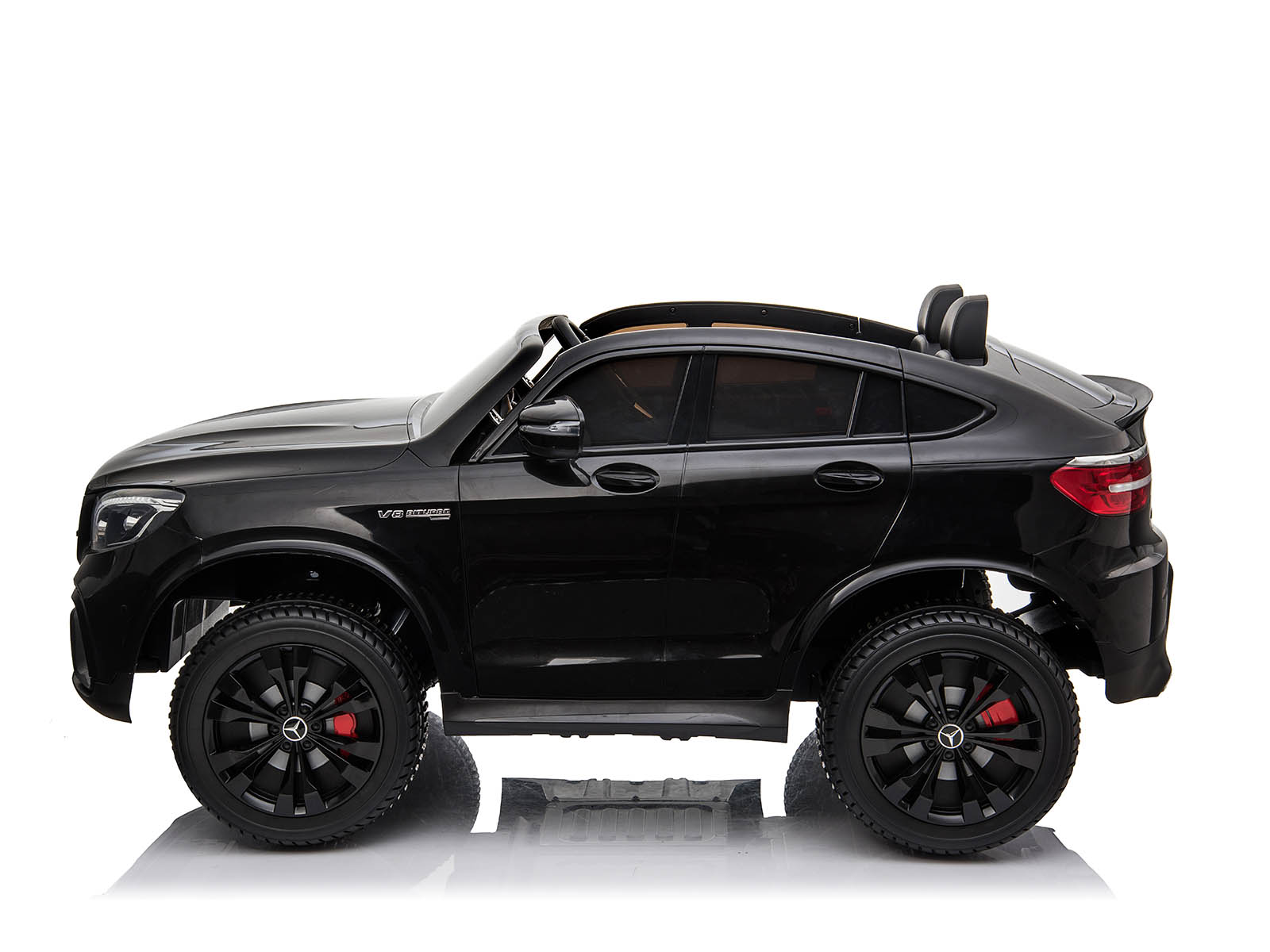
Parents often face a tough choice between keeping toddlers safe and giving them the freedom to explore. Putting your child behind the wheel of a motorized vehicle brings huge smiles but also genuine parental anxiety. A sudden turn toward the street can quickly turn playtime into a panic. Striking a safe balance is exactly where modern parental remote controls step in to save the day.
These devices operate on secure, independent frequencies. They act as an active override system rather than just a passive steering mechanism. A well-designed remote puts the adult completely in charge of the vehicle's movements. You can intervene instantly to prevent accidents while still letting your child feel independent.
This guide provides a transparent, technical breakdown of how these remote functions operate. We will explore their real-world limitations, setup protocols, and essential safety features. You will learn exactly what to expect from the technology to help you make an informed purchasing decision.
Key Takeaways
Modern remotes use 2.4GHz frequency pairing to prevent signal interference from other toys or devices.
The parental remote acts as a master override, disabling manual pedal and steering inputs from the child instantly.
Emergency stop functionality is standard, though stopping distance relies on the vehicle's inherent braking mechanics.
Effective operational range typically requires a clear line of sight, usually maxing out at 50–100 feet depending on environmental interference.
The Technology: 2.4GHz Frequency and Interference Prevention
Understanding how a parental remote operates begins by looking at the underlying radio frequency technology. Older electric ride-on toys relied heavily on standard 27MHz or 49MHz radio bands. These legacy frequencies presented major safety concerns. They suffered constantly from cross-talk. A neighbor opening a garage door could inadvertently trigger your child's toy car. Another child playing nearby using a cheap RC boat could hijack the steering. This unpredictability made old remote systems more dangerous than helpful.
Today, the industry standard relies on 2.4GHz frequency technology. This operates similarly to Bluetooth pairing. When you turn on the remote and the vehicle, they create a dedicated, encrypted link. The receiver inside the car actively listens only to the specific unique identifier of your remote. It ignores all other radio traffic. This frequency-hopping spread spectrum ensures rock-solid reliability.
Premium manufacturers integrate this technology seamlessly into their main control boards. For example, the Mercedes AMG GLC 63S Ride On Car utilizes this exact standard. You can rest easy knowing a neighbor's remote cannot accidentally control your vehicle. The car responds exclusively to the paired handset.
You should consider this 2.4GHz technology a non-negotiable feature. When evaluating any ride-on toy, check the manufacturer specifications carefully. If the box simply says "Radio Control" without specifying 2.4GHz, you might be buying outdated, risky technology. Always verify the frequency band before finalizing your purchase.
Radio Frequency Technology Comparison
Feature
Legacy Tech (27/49MHz)
Modern Tech (2.4GHz)
Signal Security
Unsecured, open to interference
Encrypted, uniquely paired
Cross-talk Risk
High (garage doors, other toys)
Near zero
Response Latency
Noticeable delay
Instantaneous
Antenna Style
Long, breakable metal telescopic
Internal or short stub
Core Control Functions: Steering, Speed, and Override Hierarchy
The entire purpose of a parental remote revolves around a strict control hierarchy. The system functions as a master override. The onboard computer constantly monitors inputs from both the steering wheel and the remote handset. When a conflict occurs, the remote always wins.
If your child turns the wheel sharply left toward a bush, you can push your joystick right. The control board instantly cuts power to the manual steering column. It diverts all electrical current to the automated steering motor located under the front axle. The car immediately corrects its path. The child cannot physically overpower this steering motor using the plastic steering wheel.
Speed modulation represents another critical control function. Most parental remotes feature dedicated speed toggle buttons. You can shift between low, medium, and high speeds remotely. Low speed typically maxes out around 1.5 mph. This suits indoor use or initial learning phases perfectly. High speed reaches roughly 3.5 to 5 mph. You can activate this when walking briskly alongside the car in an open park. The child cannot change this top speed from inside the cabin when the remote is active.
The Emergency Stop (P-Button)
The emergency stop button acts as your ultimate safety net. Often labeled with a "P" for Park, this button immediately alters the vehicle's electrical state. Pressing it cuts all power from the battery to the drive motors. It simultaneously locks out the child's foot pedal and steering wheel. The car will simply stop and refuse to move until you press the button again to release the lock.
You must understand the mechanical implementation reality of this feature. These ride-on cars do not possess hydraulic disc brakes. They stop using motor resistance. When you cut the power, the electric motors seize up, causing the plastic wheels to drag. On flat concrete, the car stops almost instantly. However, gravity still applies on downward slopes. The car might skid or roll out an extra foot or two before coming to a complete halt. You should never let your child drive near steep hills, regardless of the emergency stop feature.
Best Practices for Core Controls
Always test the P-button on a flat surface before heading to a park.
Keep the speed setting on low until you learn how the steering responds.
Hold the remote securely; dropping it during an emergency wastes precious seconds.
Anticipate stops early to account for wheel skid on smooth surfaces like tile or polished concrete.
Initial Setup: Pairing Your Mercedes Benz Ride on car Remote
A flawless connection starts with proper initial synchronization. The pairing process tells the car to listen exclusively to your specific handheld device. You only need to perform this process once under normal circumstances. The system usually remembers the pairing even after you recharge the main vehicle battery.
Follow this standard pairing protocol carefully to ensure proper function:
Turn the car off entirely. Ensure the main power switch on the dashboard is set to the OFF position.
Prepare the remote. Insert fresh, high-quality AAA batteries into the back of the remote control.
Enter binding mode. Press and hold the primary pairing button on the remote. This is usually located in the center and might be labeled "Match" or look like a sync icon. Hold it until the remote's LED indicator lights begin flashing rapidly.
Power the car on. While the remote lights are still flashing, flip the car's dashboard power switch to ON.
Verify the sync. The flashing lights on the remote should turn solid. This solid light indicates a successful encryption handshake.
You must verify the master override functionality before placing a child in the vehicle. Prop the rear wheels off the ground slightly. Press the forward button on the remote to ensure the wheels spin. Have a second adult press the foot pedal inside the Mercedes Benz Ride on car while you steer from the remote. You should feel entirely confident that your commands supersede the onboard controls.
Do not underestimate battery dependencies. The remote operates on separate alkaline batteries. The car operates on a heavy 12V or 24V lead-acid or lithium battery. If the remote's AAA batteries drop in voltage, the synchronization will suffer. The signal might drop intermittently. Always keep spare alkaline batteries in a drawer specifically for the remote. Do not use cheap dollar-store batteries, as their power delivery fluctuates and weakens the 2.4GHz signal.
Real-World Limitations and Safety Considerations
Even the most advanced wireless technologies face physical limitations. Setting realistic expectations keeps everyone safe during playtime. The 2.4GHz signal requires a relatively clear line of sight to maintain optimal connection strength. Manufacturers typically rate the effective operational range between 50 and 100 feet. This distance varies wildly based on environmental interference.
Dead zones happen frequently in residential neighborhoods. Solid objects absorb or reflect radio frequencies. If your child drives behind a thick brick wall, a large oak tree, or a parked SUV, the signal will likely drop. You must stay within a clear visual range of the car at all times. If the car drives out of range, the emergency stop button cannot deliver its signal. Always walk near the vehicle rather than sitting on the porch while the child drives far down the sidewalk.
Latency and Input Lag
You might occasionally notice a fractional delay between pressing a directional button and the car responding. This input lag occurs normally. The remote sends a digital packet, the receiver processes it, and the control board activates a mechanical relay. This entire sequence takes a fraction of a second. However, if the remote batteries run low, this latency increases significantly. A half-second delay feels like an eternity when a toddler heads toward a curb. Replace the remote batteries the moment you notice sluggish response times.
Terrain Variables
The environment directly impacts the vehicle's physical ability to obey your commands. You dictate direction and power via the remote. However, the car still must fight physical resistance. Rough terrain dramatically impedes the steering motor.
If the car sits in thick, uncut grass, the front wheels face massive friction. When you press left on the remote, the steering motor engages, but it might lack the torque to turn the wheels fully. The car might only turn slightly or travel straight. The remote system works perfectly in this scenario; the physical environment simply overpowers the steering motor. Stick to short grass, pavement, or packed dirt to maintain full directional control.
Common Mistakes to Avoid
Allowing the car to drive out of your direct line of sight.
Assuming the P-button will stop the car instantly on a steep downward slope.
Ignoring blinking lights on the remote, which indicate critically low battery voltage.
Trying to force sharp turns via the remote while the car is stuck in deep gravel or thick mud.
Troubleshooting Common Connectivity Issues
Technology occasionally stumbles. When a toddler is eager to drive, dealing with a broken connection feels frustrating. Most connectivity issues stem from simple power failures rather than catastrophic hardware damage. Approaching problems systematically will save you time and money.
Loss of Pairing If the remote suddenly flashes endlessly or refuses to move the car, it has likely lost its pairing. Radio interference or a sudden voltage drop usually causes this. The fix takes less than a minute. First, replace the remote batteries completely. Do not mix old and new batteries. Next, repeat the exact five-step pairing protocol mentioned earlier. This re-establishes the encrypted handshake. Re-pairing solves over 80% of all non-responsive remote issues.
Intermittent Steering Response Sometimes the car drives forward perfectly but refuses to turn left or right. You must diagnose whether this involves a weak signal or a physical mechanical failure. Pick up the front of the car. Press the left and right steering buttons on the remote. If you hear a grinding noise, the plastic gears inside the steering motor are stripped. This happens if a child forcefully holds the steering wheel still while you try to turn it with the remote. If you hear absolutely nothing, a wire has likely rattled loose. Check the white wire harnesses connected to the control board under the seat.
Next-Step Actions Follow a logical diagnostic path to avoid tearing the car apart unnecessarily.
Check remote batteries: Always start here. Swap them for brand-name alkaline batteries.
Re-pair the remote: Reset the software connection by binding the car and remote again.
Inspect under-seat connections: Ensure the car's main battery is fully charged. Check that all plastic wire clips sit tightly in their sockets. Vibrations from driving often loosen these clips.
Contact warranty support: If the remote still fails after confirming good batteries and tight wires, the receiver board may be fried. Reach out to the manufacturer for a replacement part.
Conclusion
The parental remote control transforms a potential safety hazard into a scalable learning tool for toddlers. It allows children to experience the joy of driving while keeping ultimate authority firmly in adult hands. Understanding how this technology works removes the mystery and builds your confidence as a supervisor.
You can make purchasing decisions with absolute certainty now. Verifying the presence of a 2.4GHz remote system equipped with a dedicated emergency stop button establishes the necessary baseline for a secure purchase. Without these features, you sacrifice crucial control over the vehicle.
Take time to review specific model specifications carefully. If you have already purchased a vehicle, install fresh batteries, perform the pairing sequence, and test the master override without your child in the car. Familiarize yourself with the braking distance and steering latency. Armed with this knowledge, you are ready to head outside and enjoy a safe, stress-free driving session.
FAQ
Q: Can two Mercedes Benz ride-on cars be used in the same yard without the remotes interfering?
A: Yes. Because modern remotes utilize 2.4GHz frequency technology, each remote binds exclusively to its specific car. The encrypted signal ensures they do not experience cross-talk. You can operate multiple vehicles side-by-side without one parent accidentally controlling the wrong vehicle.
Q: Does the parental remote work if the car's main battery is dead?
A: No. The parental remote only sends a wireless command signal. The vehicle's onboard receiver, steering motor, and drive motors all require power from the car's main 12V or 24V battery to execute those commands. If the main battery dies, the car cannot move or steer.
Q: Can the child override the parental remote?
A: No. The system utilizes a strict master override hierarchy. Whenever the remote control sends a signal, the onboard computer instantly disables the manual steering wheel and foot pedal. The parent always maintains ultimate control over the vehicle's direction and speed.