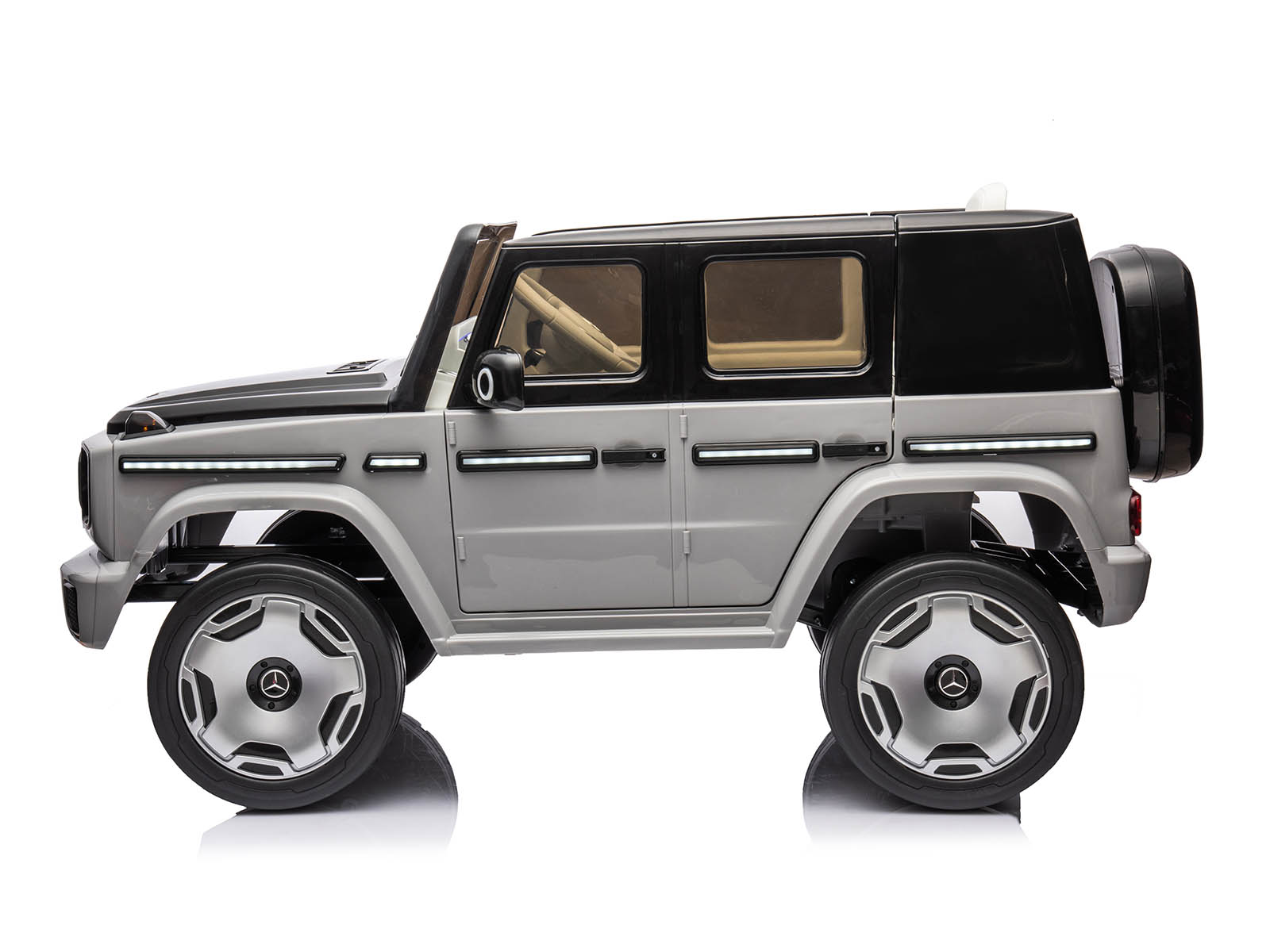
Sourcing licensed ride-on toys requires a careful balancing act for wholesale buyers. You must secure profitable margins while strictly mitigating complex compliance risks. The famous badge on the hood undeniably drives strong retail demand across global markets. However, the international sourcing reality presents many hidden challenges. Counterfeit products, poor battery lifespans, and severe shipping inefficiencies can quickly erode your return on investment. Customs officials often seize entire containers lacking proper documentation, leaving buyers empty-handed. We created this evidence-based evaluation framework specifically for B2B distributors. You will learn how to audit overseas manufacturers effectively. We will show you how to verify official licensing directly with the brand. You will discover how to select inventory meeting strict regional safety standards. We will also help you align your product choices with current consumer expectations. This guide ensures your next purchase order brings sustained profit.
Key Takeaways
Licensing is Non-Negotiable: Authorized documentation directly from Mercedes-Benz is required to avoid customs seizures and legal liability.
Compliance Dictates Market Entry: Independent verification of regional safety standards (ASTM F963, EN71, CPSIA) and electrical certifications (UL, CE) must precede any purchase order.
Specifications Drive Margins: Upgraded components—such as 24V batteries, EVA tires, and specific model fidelity like the Mercedes EQG Ride On Car—command premium retail pricing.
After-Sales Support is Critical: Vendor evaluation must include a clear framework for spare parts availability and warranty fulfillment to protect the distributor's reputation.
Verifying Authentic Licensing and Intellectual Property Rights
Sourcing unlicensed replicas carries severe business risks that can bankrupt a distributor. Customs officials frequently inspect international toy shipments at major global ports. They utilize advanced databases to check intellectual property rights. They will confiscate entire containers of unauthorized goods at the border. You also expose your company to devastating intellectual property lawsuits from rights holders. Mercedes-Benz actively protects its brand assets worldwide through aggressive legal channels. To prevent this scenario, you must conduct a rigorous supplier audit immediately.
Always request the exact official licensing agreement directly from the manufacturer. This document must originate from the Mercedes-Benz Group. Verify the valid authorization dates on these specific documents carefully. Expired licenses offer zero legal protection during a customs audit. You also need to confirm their approved regional distribution rights. A factory authorized to sell in Asia might lack permission for North American or European markets. Selling outside approved geographical zones constitutes a direct breach of intellectual property.
Watch out for glaring red flags during your initial supplier communications. Pay close attention to how they handle your documentation requests.
Unauthorized suppliers often refuse to share official authorization letters.
They might offer vague excuses about corporate confidentiality or pending renewals.
You might spot spelling anomalies on the retail packaging.
Instruction manuals often contain poorly translated, unnatural phrasing lacking official branding.
Never ignore these warning signs when evaluating a new vendor. Protecting your distribution business starts by verifying the paperwork first.
Required Safety Certifications and Regulatory Compliance
Selling a Mercedes Benz Ride on car requires strict adherence to regional safety baselines. Compliance dictates your legal ability to enter specific target markets safely. For North America, distributors must verify ASTM F963 compliance. This critical standard covers mechanical hazards, sharp edges, and flammability. You also need CPSIA testing to ensure safe lead and phthalate limits in the plastics. Excessive chemicals pose severe developmental risks to toddlers. European markets demand EN71 certification, covering Parts 1, 2, and 3 extensively. You must also ensure REACH compliance for overall chemical and heavy metal safety.
Electrical systems demand equal scrutiny from wholesale buyers. Batteries and chargers represent significant fire hazards if poorly manufactured. You must demand UL certifications for US markets. European buyers need CE certifications for all electrical components. These rigorous standards prevent dangerous thermal events during the battery charging cycle. Poor wiring or uncertified adapters can easily melt plastic housings or cause electrical shorts inside a home.
Do not rely on a factory's internal self-declaration. Implement a strict, evidence-based verification strategy for your purchasing team.
Request recent third-party lab testing reports directly from the supplier.
Ensure these compliance documents are strictly under 12 months old.
Verify the testing laboratory is globally renowned, such as SGS, Intertek, or TUV.
Check the report number directly on the issuing laboratory's official website database.
Confirm the tested model number matches your purchase order exactly.
Fake or outdated certificates remain a surprisingly common pitfall in wholesale sourcing. You must independently verify every safety claim.
Component Specifications That Command Premium Retail Margins
Retailers want products they can sell at higher margins confidently. Your wholesale specification choices dictate their retail success entirely. Entry-level configurations usually feature standard 12V batteries and dual motors. These serve the budget-conscious consumer segment reasonably well. They work fine on flat, smooth pavement or indoor surfaces. However, premium models drive significantly higher profits for everyone in the supply chain. Upgraded 24V batteries paired with quad motors offer superior power delivery. They handle thick grass, uneven gravel, and slight inclines much better. We see a direct correlation between these robust specs and higher retail price points.
Material quality drastically shifts consumer perception during the buying process. Hard plastic tires feel cheap and create excessive noise on sidewalks. Upgrading to EVA foam tires provides a smoother, much quieter ride. EVA tires also offer better traction on slippery outdoor surfaces. Leather-style seating adds a luxurious touch matching the real vehicle's brand prestige perfectly. Shoppers easily spot these premium differences on the showroom floor.
Model fidelity accelerates your inventory turnover rapidly. Trending designs capture immediate consumer interest online and offline. Sourcing a highly accurate Mercedes EQG Ride On Car leverages current automotive market hype. Modern buyers want miniature versions of the exact premium cars they see on the street. High fidelity means accurate grilles, realistic dashboards, and proper LED lighting sequences.
Parental safety features remain major selling points for cautious parents. A 2.4G remote control override system is virtually mandatory today. It uses a secure frequency to avoid interference from neighboring toys. It lets parents take over steering instantly if a child drives toward danger. Adjustable safety harnesses also provide essential peace of mind for buyers.
Ride-On Car Configuration Strategy
Specification Category
Entry-Level Configuration
Premium Retail Configuration
Consumer Benefit
Battery & Power
12V Battery, Dual Motors
24V Battery, Quad Motors
Handles inclines, thick grass, and rough terrain better.
Wheel Material
Hard Plastic
EVA Foam Tires
Noticeably quieter ride and superior outdoor traction.
Seat Material
Molded Plastic
Leather-Style Upholstery
Enhanced comfort and luxurious visual showroom appeal.
Safety Controls
Basic remote (27MHz)
2.4G Override Remote
No frequency interference and immediate parental control.
Assessing Factory Capabilities and Defect Mitigation
A reliable manufacturing partner maintains strict quality control protocols daily. You should conduct a comprehensive factory audit before ordering any inventory. A standard QC audit checks incoming material inspection first. The factory must test raw plastics and electrical harnesses before assembly begins. Rejecting bad materials early prevents widespread production flaws later. In-line testing ensures workers catch electrical faults during the active build process. Workers should test motors, switches, and LED lights directly on the assembly line. Finally, the team should perform load testing on the finished chassis. They must verify weight limits and structural integrity under stress.
The spare parts framework addresses the most common post-sale friction point. Breakages happen naturally, and retailers will demand prompt replacements. You must establish a solid spare parts agreement upfront with the factory. Negotiate a fixed percentage of free spare parts alongside your bulk order. Typically, 1-2% is standard for highly vulnerable components. Ask for extra ignition switches, charging adapters, and steering wheels. These items ship inside the bulk container alongside the cars. This strategic move saves you expensive future international courier fees.
Always employ a strict multi-stage sample testing logic. First, test an initial factory sample yourself thoroughly. Evaluate the build quality, battery run time, and remote responsiveness. Look for any loose wiring or flimsy plastic parts. Later, conduct an unannounced pre-shipment inspection. Hire a third-party inspection agency to check the mass production run. They ensure the bulk order matches your approved sample exactly. Do not authorize final payment until this critical inspection passes.
Logistics, Container Density, and Total Landed Cost
Ocean freight costs heavily influence your final wholesale profit margins. Packaging efficiency directly impacts how much you actually pay per unit. You must calculate external box dimensions carefully. Distributors need to know exactly how many units fit into a standard 40HQ container. A bulky box limits container capacity and spikes your true per-unit freight cost significantly. If a container holds around 68 cubic meters, efficient packing becomes vital. Ask the factory if they offer optimized packaging solutions. Removing excess air from the carton saves thousands in shipping over a year.
Protecting the heavy plastic chassis during transit is absolutely crucial. Ensure the factory packaging meets rigorous ISTA drop-test standards. Boxes must survive long-haul ocean logistics and rough forklift handling at the port. They also need to withstand final-mile courier delivery to the end consumer. Weak cardboard leads to cracked windshields and broken axles upon unboxing. The packaging must include reinforced corners and dense internal foam blocks.
Understand the business realities of Minimum Order Quantities (MOQs). Standard MOQs for off-the-shelf licensed inventory often hover around 50 to 100 units. Custom colors or unique configurations usually require much higher MOQs. Factories might ask for 300 units if you want a custom paint finish. Plan your inventory flow around typical factory production lead times. Factories generally need 30 to 45 days to complete a bulk order. Add global ocean transit time to this schedule so you avoid out-of-stock scenarios during peak holiday seasons.
Conclusion
Sourcing a licensed vehicle demands strict attention to detail and process. Start by verifying the official license directly with the issuing brand. Next, audit all safety and electrical reports carefully. Never accept expired or self-declared compliance documents under any circumstances. Test the initial sample to confirm material quality and structural strength. Finally, calculate the total landed cost based on optimized container density.
Do not compete solely on the lowest base price. Cheap quotes often hide dangerous electrical shortcuts or licensing fraud. Prioritize manufacturers holding a proven track record of exporting to your specific region. Reliable vendors protect your reputation and ensure smooth customs clearance. They also provide the critical spare parts needed for robust after-sales support.
If you are ready to expand your inventory, take action now. Request a comprehensive compliance dossier from your shortlisted suppliers. Ask for a detailed quotation on their most popular licensed models today.
FAQ
Q: How can I verify if a manufacturer's Mercedes-Benz license is legitimate?
A: Request the official authorization letter directly from the manufacturer. Check the expiration date carefully to ensure it covers your sales period. You must also ensure the factory name on the document matches the vendor's business license. Finally, verify their authorized regional distribution rights match your target market to avoid customs seizures.
Q: What is the standard defect rate I should expect when buying ride-on cars wholesale?
A: A reputable manufacturer should maintain a defect rate below 2%. To cover this baseline, always negotiate a spare parts allowance before finalizing your order. Ask the supplier to include 1-2% of vulnerable components, like switches, batteries, and chargers, for free within your bulk shipping container.
Q: Does the Mercedes EQG Ride On Car require different safety certifications than older models?
A: The core safety frameworks like ASTM and EN71 remain exactly the same. However, advanced electrical features require extra scrutiny. High-powered 24V systems or multi-motor setups demand strict adherence to battery and charger safety standards. Ensure the upgraded electrical components carry valid UL or CE certifications to prevent thermal risks.
Q: Why do some suppliers quote significantly lower prices for similar-looking Mercedes ride-on cars?
A: Price disparities usually stem from unlicensed production or compromised quality. Cheaper models often feature lower-capacity batteries and noisy plastic wheels instead of EVA foam. Non-certified electrical components drastically lower manufacturing costs but introduce massive liability and fire risks. Always investigate surprisingly low quotes thoroughly before purchasing.