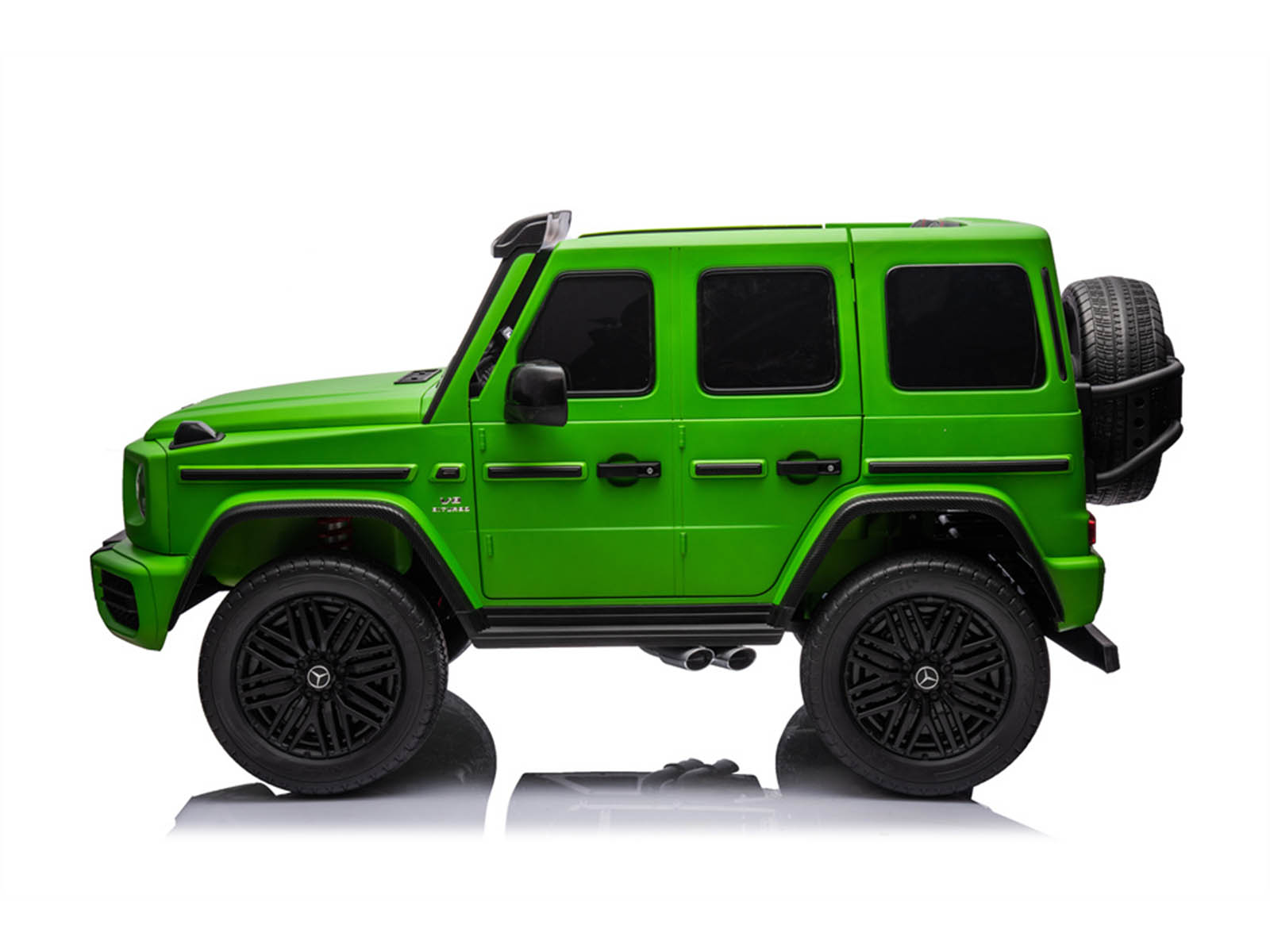
It is incredibly frustrating to invest in a premium 12V or 24V ride-on toy, only to have your child refuse to drive it. Kids often abandon these vehicles because the ride feels excessively jerky, loud, or uncomfortable on uneven pavement. Parents spend hours assembling the perfect gift, only to watch it gather dust in the garage. While authentic licensed branding looks amazing in the driveway, aesthetics alone do not guarantee a smooth experience. The glossy paint and replica badges do not absorb shocks.
The underlying mechanical components dictate whether the toy functions safely and comfortably across different terrains. Tires and suspension systems act as the primary buffers against harsh impacts. If these parts are subpar, even the most beautiful toy quickly becomes unplayable. A rough ride can scare a toddler, causing them to avoid the toy entirely. We need to establish a clear, objective baseline for evaluating the suspension systems and tire materials available in the current kids' electric vehicle market. Understanding these critical components ensures you evaluate performance properly. You must look past the shiny exterior before making a final purchase decision.
Key Takeaways
Tire Material Dictates Traction and Noise: Upgrading from standard hard plastic to EVA foam or rubber tires drastically reduces road noise and prevents wheel-spin on smooth surfaces.
Terrain Dictates the Spec: Flat driveways tolerate base models, but grass, gravel, and uneven sidewalks require upgraded suspension and high-grip tires to prevent the vehicle from getting stuck.
Model Variances: Premium licensed models like the Mercedes AMG G63 Ride On Car often offer specific suspension setups suited for heavier loads and varied terrain.
The Role of Tire Material in Ride-On Car Comfort
Tires act as the sole contact point between the toy and the ground. Their material composition dictates traction levels, noise output, and overall ride comfort. We can analyze the three primary tire materials currently dominating the market. Understanding these differences helps you avoid serious buyer's remorse.
Hard plastic tires remain the standard for entry-level budget models. Manufacturers favor them for their extreme durability and low production costs. They easily withstand rough concrete without degrading quickly. However, they are notoriously loud on hard pavement. They create a constant rattling noise. Furthermore, they easily spin out on wet grass or smooth indoor tiles. They offer absolutely zero shock absorption.
EVA foam tires represent the ideal sweet spot for premium models. EVA stands for Ethylene-Vinyl Acetate. This synthetic material mimics the grip of real rubber perfectly. It remains entirely puncture-proof. EVA tires operate significantly quieter than plastic variants. They provide natural dampening against minor bumps and sidewalk cracks. They grip surfaces aggressively without adding excess weight.
Pneumatic rubber tires offer the absolute maximum comfort and grip. These are air-filled tires, just like those on a real car. They absorb massive bumps with ease. However, they introduce frustrating maintenance risks. You must deal with flat tires, valve leaks, and pressure checks. You rarely need pneumatic tires unless you plan to go off-roading frequently.
Implementation reality often surprises new buyers. Parents usually overlook where the car will actually operate. Plastic tires can quickly scratch indoor hardwood floors. They also slip dangerously on polished surfaces. If you plan for dual indoor and outdoor play, EVA tires become mandatory. They protect your floors while delivering excellent outdoor grip.
Tire Material Comparison for Kids Electric Vehicles
Material Type
Noise Level
Shock Absorption
Best Terrain
Maintenance Required
Hard Plastic
Very High
None
Smooth Asphalt Only
Low
EVA Foam
Low
Moderate
Grass, Pavement, Indoors
Low
Pneumatic Rubber
Very Low
High
Gravel, Dirt, Trails
High (Air Pressure)
Evaluating Suspension Systems in a Mercedes Benz Ride on car
Let us clarify what "suspension" actually means in the context of a 12V or 24V toy. Real automobiles utilize complex hydraulic shocks and struts. Kids' electric vehicles typically rely on metal coil springs. Manufacturers attach these springs directly to the front or rear axles. This mechanical setup absorbs energy from direct impacts. It prevents that kinetic energy from transferring into the chassis. You will evaluate these components closely when selecting a Mercedes Benz Ride on car.
You will encounter two primary configurations in the current market. Rear-wheel suspension provides basic dampening strictly for the drive motors. It softens the initial jolt when the car accelerates. This basic setup works adequately for flat pavement. Conversely, 4-wheel independent suspension proves crucial for uneven terrain. It keeps all four tires in firm contact with the ground over bumps. This advanced system distributes the child's weight evenly across the vehicle. It prevents the toy from tilting violently over small rocks.
Safety and comfort correlate directly with these mechanical systems. Functioning spring systems prevent harsh jolts from traveling up the steering column. Severe bumps can easily cause "toddler whiplash." A jarring ride throws a small child forward abruptly. Good suspension protects the child's posture. It reduces driver fatigue dramatically. Kids feel safer and more in control. They will drive longer and enjoy the toy significantly more.
Terrain Matching: Aligning Specs with Your Real-World Environment
You must align the mechanical setup with your primary use case. The driving environment dictates the exact specifications you need. Buying an overpowered or underpowered toy leads to immense frustration. Let us examine a practical evaluation framework for different terrains.
Suburban Driveways and Cul-de-sacs: Smooth asphalt surfaces demand less mechanical support. Plastic tires paired with minimal suspension remain perfectly passable here. You should expect elevated noise levels. However, the vehicle will accelerate and steer without issue.
Lawns, Parks, and Turf: Grass creates immense rolling resistance. This terrain requires EVA or rubber tires for proper grip. Plastic wheels will simply spin in place. You also need at least rear suspension. The suspension helps the motors push through the heavy drag of the grass.
Gravel, Dirt Paths, and Trails: Rough terrain demands aggressive upgrades. You absolutely need 4-wheel suspension and deep tire treads. A rigid plastic setup will vibrate intensely. The toy will quickly lose traction, stall, and frustrate the driver.
Buying an under-specced vehicle creates serious mechanical risks. Taking a basic, rigid model onto rough terrain leads directly to burned-out motors. A lack of suspension and grip forces the drivetrain to overwork. The wheels spin freely in the dirt. This friction overheats the electrical components quickly. Furthermore, plastic tires hopping over rocks can strip the internal gearbox. Matching the specs to the terrain prevents expensive hardware failures.
Spotlight on the Mercedes AMG G63 Ride On Car
The iconic G-Wagon design presents unique engineering challenges for ride-on toys. Let us analyze how a heavy-duty model addresses passenger comfort. The boxy aesthetic requires specific mechanical support.
The G63 design is naturally blocky and much heavier than sedan variants. The suspension must actively compensate for this increased chassis weight. Upgraded, heavy-duty coil springs prevent the thick frame from bottoming out over curbs. The springs must remain stiff enough to support the bulky plastic body. Yet, they must remain pliable enough to cushion the child. A well-engineered Mercedes AMG G63 Ride On Car balances this perfectly.
Some premium variants offer impressive 6-wheel configurations. You might wonder if the extra axle provides tangible comfort benefits. It absolutely does. The extra wheels spread the vehicle's total weight across six contact points instead of four. This drastically reduces the impact felt from single bumps. The middle axle acts as a pivot. It allows the vehicle to glide over uneven lawn patches effortlessly. This setup smooths out deep ruts.
Clearance and center of gravity play a huge role in ride quality. The G-Wagon style features a much higher ride height. This creates a higher center of gravity. It requires specialized suspension calibration. Stiff outer springs prevent the vehicle from tipping over during sharp, fast turns. They maintain a comfortable ride while ensuring absolute lateral stability. Low-profile sedans do not face this tipping risk, but they scrape their undercarriages easily.
Decision Framework: Are Upgraded Tires and Suspension Worth the Premium?
Upgraded EVA tires and 4-wheel suspension typically add a noticeable premium to the base price of a licensed Mercedes toy. You must evaluate if this premium makes sense for your family. We can look at the practical benefits objectively.
Consider the usable lifespan argument carefully. A comfortable, smooth ride extends the toy's active lifespan. A child will happily play with a well-suspended vehicle for two to three years. Conversely, a jarring, loud ride frightens younger children. It frustrates older kids quickly. This poor experience often turns an expensive toy into permanent garage clutter within a month. Upgrades ensure the toy gets used daily.
You can apply a simple shortlisting logic to your purchase. This prevents you from overbuying or underbuying.
Choose Base Models If: The child is older (4+ years). They are less sensitive to minor bumps. They will only drive the car on perfectly smooth asphalt driveways. Noise is not an issue for your neighbors.
Invest in Upgrades If: The child is a younger toddler. Toddlers desperately need smooth starts and stops to feel secure. Your primary driving area includes grass, dirt, or cracked sidewalks. Noise reduction is a major priority for your sanity.
Conclusion
A Mercedes badge undoubtedly guarantees aesthetic authenticity. It commands immediate attention in your neighborhood. However, the tires and suspension components guarantee actual usability. Do not assume all licensed models share the exact same internal parts. Manufacturers routinely offer multiple trim levels for the exact same body style. A beautiful exterior means nothing if the chassis rattles violently over every single crack.
Always check the exact product specifications before adding a vehicle to your cart. Look specifically for terms like "EVA tires" and "Spring Suspension" in the detailed product description. Verifying these mechanical details ensures your child enjoys a comfortable, safe, and long-lasting driving experience. A little extra research upfront prevents massive disappointment on a birthday morning. Prioritize the mechanical foundation, and the aesthetic joy will follow naturally.
FAQ
Q: Can I upgrade the hard plastic tires on my Mercedes ride-on to EVA foam later?
A: Upgrading tires aftermarket is notoriously difficult. Kids' electric vehicles use proprietary axle sizes and specific wheel hub connections. A universal EVA tire rarely fits a specific model perfectly. You usually have to modify the steering column or axle length. It is much safer and easier to buy a model with EVA tires installed from the factory.
Q: Do the shock absorbers on kids' electric cars actually work, or are they just for show?
A: It depends entirely on the specific model. Budget cars often feature molded plastic fake shocks purely for aesthetic purposes. They provide zero dampening. Premium models use functional metal coil springs mounted directly to the axles. These genuine springs actively compress and rebound. They successfully absorb impacts from sidewalk cracks and small rocks.
Q: How does weight capacity affect the suspension's performance?
A: Every suspension system features a specific weight threshold. As a child nears the maximum weight limit, the coil springs fully compress. Fully compressed springs lose their ability to travel and absorb shocks. This severely reduces the comfort factor. For the smoothest ride, keep the combined passenger weight well below the stated maximum limit.
Q: Is the Mercedes AMG G63 Ride On Car better for rough terrain than the sedans?
A: Yes. The AMG G63 toy mimics a real SUV. It features a higher ride height and significantly better ground clearance. This prevents the undercarriage from scraping on uneven grass or gravel. Sedan models like the CLA or SLK have much lower profiles. They easily get stuck on tall grass or large driveway bumps.