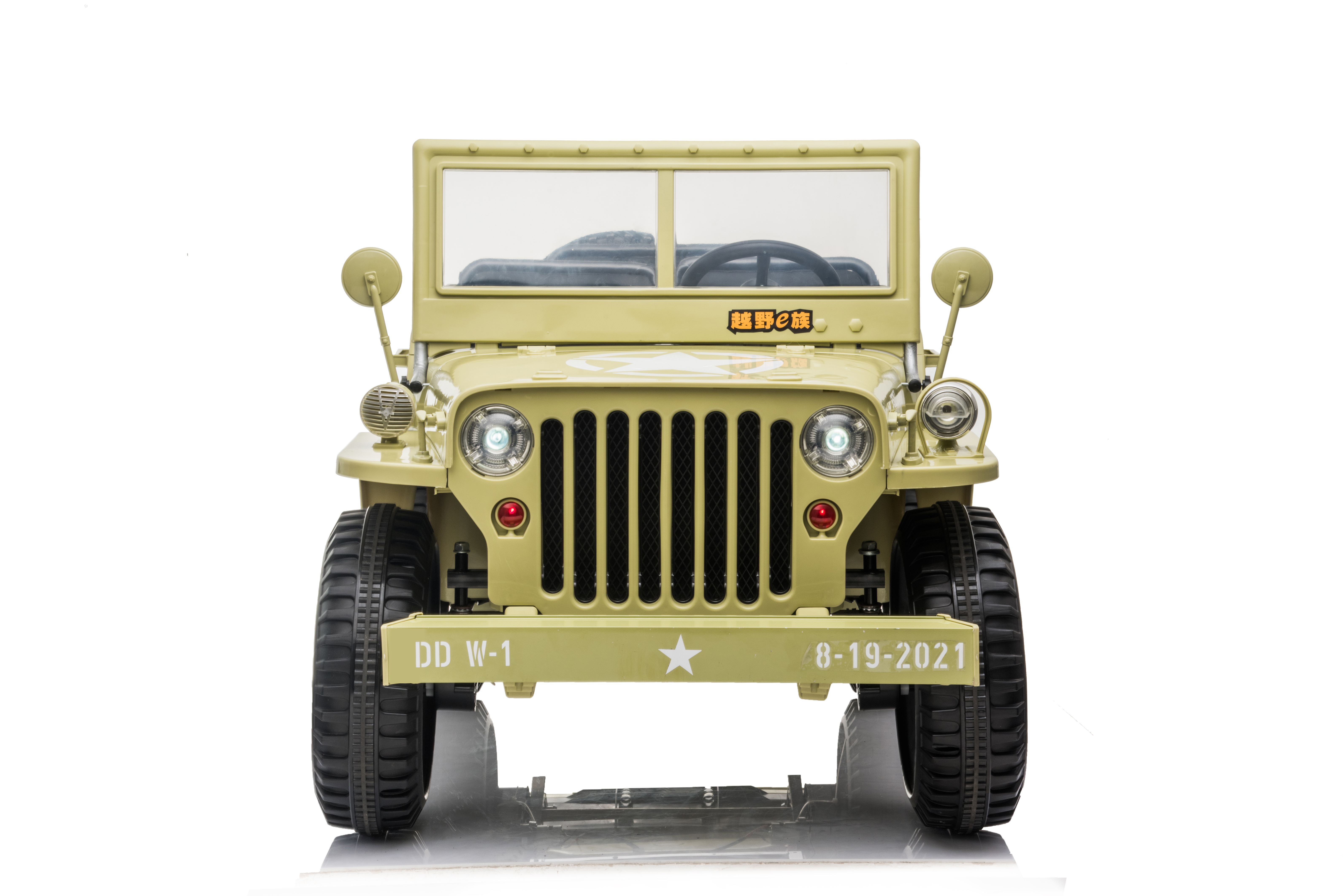
Purchasing a toy vehicle based solely on exterior styling or licensed branding frequently results in a product that is abandoned within months due to physical discomfort. Standardized age recommendations fail to account for varying child proportions. A poorly designed cabin leads to cramped legroom, improper posture, and driver fatigue, drastically reducing the usable lifespan and return on investment of the vehicle.
Maximizing usability requires evaluating the vehicle from the inside out. This guide breaks down how to assess seat ergonomics, internal cabin dimensions, the spatial layout of driver interfaces, and the structural trade-offs between different voltage models to ensure long-term comfort and a proper fit.
Key Takeaways
Exterior Size Does Not Equal Interior Space: Bulky exterior styling often masks a shallow cabin; evaluating the specific seat-to-pedal distance is more critical than overall vehicle dimensions.
Seating Layout Over Seat Material: Even high-end padded leather seats cannot compensate for a cramped seating layout, poor backrest angles, or misaligned foot pedals.
Adjustability Extends Lifespan: Models featuring sliding, track-mounted, or multi-position seats offer significantly higher long-term value by accommodating a child's growth spurts.
Voltage Impacts Architecture: The larger batteries and dual-motor setups required for a 24V ride on car can alter floorboard depth and under-seat space compared to lower-voltage models.
The "Zero-Sum" Accessory Trap: Bulky safety harnesses, dense seat padding, and internal structural compartments often encroach on the active cabin space, reducing the actual usable seating area.
Width vs. Depth: A true two-seater requires adequate shoulder width, but depth (legroom) is the primary factor in preventing knee-to-dash collisions as the child grows.
The Ergonomics of a Ride On Car: Beyond Basic Padding
Comfort is defined by the alignment of the child's body relative to the steering wheel, console controls, and accelerator pedal. When a child sits in a ride on car, their physical geometry dictates how long they can operate the toy before fatigue sets in. Evaluating ergonomics means looking past the visual appeal of leather upholstery and analyzing the structural layout of the cabin itself. You have to measure the hard plastic mounting points, the angle of the steering column, and the depth of the footwell.
Posture Support, Backrest Angles, and Lumbar Alignment
The backrest angle plays a major role in preventing spine fatigue. Upright, rigid plastic seats force a hunched posture, causing discomfort during extended play sessions. Slightly reclined seats with contoured lumbar support distribute weight evenly across the back. Multi-point harnesses serve a dual purpose here. Beyond safety, a well-designed harness stabilizes the torso during operation over uneven terrain, preventing lateral sliding and keeping the driver centered behind the controls. When inspecting the seat, look at how the plastic shell is molded. A flat backrest offers zero lateral support, meaning the child has to use their core muscles constantly to stay upright when turning the steering wheel. A bucket-style seat with raised side bolsters physically holds the hips in place, reducing the physical effort required to drive.
Seating Layout vs. Component Design
You must assess the relational distance between the seat center, steering column, and pedal box. A seat might look comfortable, but if it is misaligned with the steering wheel, the child will constantly twist their spine to drive. Offset seating layouts in multi-passenger vehicles often affect the driver's ability to reach steering controls naturally. If the steering column is positioned too far to the left or right of the driver's center mass, it forces an awkward shoulder position that leads to rapid arm fatigue. We often see manufacturers use a single wide bench seat but mount the steering wheel dead center. This means if two kids get in, neither is actually sitting behind the wheel. The driver has to reach across their body, which is terrible for posture and control.
Pedal Reach and Steering Column Clearance
The "knee-to-dash" ratio determines how long a child can physically fit inside the vehicle. Insufficient clearance causes the child's knees to strike the steering column or dashboard, restricting steering mobility and making the toy unsafe to drive. You also need to assess the floorboard angle. A flat floorboard requires the child to hover their foot over the pedal, causing ankle strain. An angled footwell provides a natural resting position, allowing the heel to remain planted while the toes modulate the accelerator.
Consider the following mechanical layout factors when evaluating pedal reach:
Measure the distance from the front edge of the seat base to the face of the accelerator pedal.
Check the angle of the pedal itself; a pedal mounted flat against the firewall requires more ankle flexion than one mounted on a 45-degree angled footrest.
Inspect the steering column shaft housing. Bulky plastic housings around the metal steering shaft often eat up valuable knee room.
Look for dead pedals or footrests for the non-driving foot. A place to brace the left foot helps the child stabilize their body during turns.
Cabin Space vs. Exterior Footprint: The "Zero-Sum" Reality
Manufacturers operate within strict shipping box size constraints. Every inch dedicated to a massive plastic bumper, faux exhaust pipe, or oversized grill is an inch removed from the internal cabin. This creates a zero-sum reality where aggressive exterior styling often compromises internal legroom. The physical dimensions of the cardboard box dictate the maximum size of the plastic shell. If the design team decides to make the front hood look like a massive diesel truck, they have to push the firewall backward into the cabin to make it fit in the box.
Evaluation Dimensions (Features-to-Outcomes)
When comparing models, measure the actual usable space rather than the overall footprint. A vehicle that measures 50 inches in length might only offer 15 inches of seat-to-pedal depth if the front hood and rear trunk are disproportionately large. Evaluating the specific firewall-to-seat measurement provides a much more accurate representation of how long the toy will accommodate a growing child. Do not trust the overall length specification listed on the retail box. Bring a tape measure and check the internal tub dimensions.
Why Larger Exteriors Don't Guarantee More Legroom
Aggressive styling encroaches directly on the firewall. This reduces the distance between the seat edge and the pedal box. Buyers frequently assume that a massive off-road truck will offer more room than a sleek sports car model, but the internal dimensions often reveal the opposite. The sports car might utilize a cab-forward design that maximizes the footwell, while the truck wastes valuable inches on exterior plastic molding. The wheel wells also play a part here. Massive off-road tires require large plastic wheel wells that intrude into the footwell area, narrowing the space where the child's feet need to go.
The Accessory Footprint Tax
Added comfort accessories impact clearance. Thick aftermarket cushions, dense safety barriers, and internal battery compartments consume active cabin space. Thick plastic interior side panels, designed to mimic real doors, restrict actual elbow room compared to open-chassis designs. When evaluating a vehicle, subtract the thickness of these accessories from the total internal width and depth to understand the true usable space.
Accessory Type
Impact on Cabin Space
Ergonomic Consequence
Thick Padded Seat Covers
Reduces seat-to-pedal depth by 1-2 inches.
Pushes the child closer to the steering wheel, reducing knee clearance.
Faux Interior Door Panels
Reduces internal shoulder width by 2-4 inches.
Restricts elbow movement, making steering difficult in tight turns.
Under-Seat Battery Box
Raises the seat height by 2-3 inches.
Alters the knee angle, potentially causing the knees to hit the dashboard.
Center Console Molding
Divides the footwell, reducing lateral foot space.
Forces the legs into a narrow, fixed position, causing hip fatigue.
Single-Seat vs. True Two-Seater Configurations
Differentiate between a wide single seat centered on the steering wheel and a genuine two-seater with an offset steering column. Cramming two children into a cabin designed for 1.5 occupants leads to restricted arm movement and steering interference. A true two-seater requires adequate shoulder room so both occupants can sit flat against the backrest without overlapping shoulders. Measure the internal width from door panel to door panel. If it is less than 20 inches, it is not a functional two-seater for older children, regardless of what the marketing materials claim.
How Drivetrain and Battery Size Impact Interior Dimensions
The physical components that power the vehicle must be housed within the chassis, directly influencing the depth and shape of the seating area. Understanding how voltage and battery size dictate structural layout helps in selecting a model that balances power with physical comfort. The wiring harnesses, control modules, and gearboxes all take up physical space under the plastic shell.
Space Considerations in a 12V Ride On Car
A 12V ride on car generally utilizes a smaller battery footprint. This allows manufacturers to design deeper footwells or incorporate useful under-seat storage. These models are ideal for younger, smaller children where massive legroom is not yet a primary requirement. The compact drivetrain allows for a more efficient overall vehicle footprint without compromising the child's posture or pedal reach. The smaller motors mounted to the rear axle also mean the rear wheel wells don't need to intrude as far into the seating area, allowing for a wider seat base.
Structural Trade-offs in a 24V Ride On Car
Larger batteries and heavier-duty rear transaxles require more internal chassis volume. In a 24V ride on car, this hardware often raises the seat height or pushes the seatback forward to accommodate the power source. Evaluate models where the 24V architecture is integrated into an elongated, custom-engineered chassis rather than retrofitted into a standard 12V body shell. Proper integration ensures that legroom is preserved for the older, taller children these high-voltage vehicles target. If a manufacturer just drops a massive 24V battery into a chassis designed for a 12V system, they usually have to bolt the seat further forward to make room, instantly ruining the legroom.
Evaluating Adjustable Seating and Adaptive Usability
A static cabin limits the toy to a narrow window of usability. Scalable design elements are required to justify the investment and ensure the vehicle grows alongside the child. Fixed seats are the number one reason these vehicles end up on the curb after a single summer.
Adaptive Entry and Exit Systems
Analyze ease of entry and exit. High solid sides without opening doors force children to climb over the bodywork, risking tips and placing severe strain on the seat brackets. Look for tilt-away steering columns or wide-opening door latches that facilitate self-entry for children with differing mobility levels. A wide door aperture prevents the child from dragging their feet across the seat surface, reducing wear and tear. Check the hinges on the doors. Flimsy plastic hinges will sag over time, making the doors hard to close and reducing the structural integrity of the side panels.
Fixed vs. Sliding Seats: Extending the Toy's Lifespan
Analyze the mechanism of adjustable seats. Quick-adjust track-mounted sliding systems offer superior convenience compared to multi-bolt manual repositioning. Track-mounted seats allow for instant adjustments between siblings of different ages. An extra 3 inches of rearward seat travel can extend the usable life of the vehicle by 12 to 18 months, preventing the knees from striking the dashboard as the child hits a growth spurt. If the seat requires you to remove four Phillips head screws from the bottom of the chassis just to move it back an inch, you are likely never going to adjust it.
Weight Capacity vs. Actual Physical Fit
Address the common misconception that weight limits dictate fit. A vehicle may boast a capacity of 100 lbs, but if the cabin depth maxes out at a 20-inch inseam, a tall, lightweight child will not fit. Physical dimensions always override weight limits when determining if a child can comfortably operate the vehicle. The suspension springs might handle the weight, but if the child's knees are jammed against the steering wheel, the vehicle is useless.
Implementation Risks: Common Buyer Mistakes in Cabin Evaluation
Failing to verify specific interior dimensions before purchase leads to immediate buyer's remorse, product returns, and structural safety issues. Avoiding these common pitfalls ensures a successful acquisition. You have to look at the mechanical layout, not just the glossy photos.
Ignoring the Inseam Measurement
Buying based on age recommendations rather than comparing the child's inseam to the seat-to-pedal specification is a major risk. Age brackets are arbitrary and do not account for height variations. Request or locate exact interior dimensions from the manufacturer before shortlisting a model. Measure the child's inseam and ensure it matches the available legroom. A 5-year-old in the 90th percentile for height will need a completely different chassis layout than a 5-year-old in the 50th percentile.
Overlooking Suspension's Role in Seat Comfort
Assuming a padded leather seat compensates for a rigid chassis on rough terrain leads to a harsh ride. Pair ergonomic seat choices with functional spring or shock suspension systems. Proper suspension prevents spinal compression on rough surfaces, working in tandem with the seat padding to isolate the driver from ground impacts. Check the rear axle. If it is bolted directly to the plastic frame with no vertical travel, every bump on the sidewalk will transfer directly up the child's spine.
Disregarding the Predictors of Negative Reviews
Buying a vehicle based solely on lifestyle pictures while ignoring architectural flaws guarantees disappointment. Screen user reviews specifically for complaints regarding knee clearance, cramped layouts, difficult entry, or unnatural foot pedal angles. These specific phrases highlight structural issues that standard product descriptions attempt to hide. Look for photos posted by actual users showing their kids sitting in the vehicle to gauge the real-world scale.
Conclusion
The true value of a ride on car is dictated by its internal ergonomics, cabin layout, and ease of entry, not its top speed or exterior licensing decals. A vehicle that causes physical discomfort will not be driven. Prioritize models that offer adjustable seating, sufficient knee-to-dash clearance, and an interior volume that matches the physical footprint of the drivetrain. Match the child's current height and growth trajectory to the specific seat-to-pedal measurements rather than arbitrary age ratings.
Measure your child's inseam, seated shoulder width, and hip-to-knee length using a standard tape measure.
Cross-reference these exact measurements with the interior specifications of shortlisted models before making a purchase decision.
Verify the presence of adjustable seat tracks or multi-position mounting points to accommodate future growth.
Inspect the door hinges and entry mechanisms to ensure the child can get in and out without stressing the plastic body panels.
FAQ
Q: How do I know if my child will physically fit in a specific ride on car?
A: Compare your child's inseam against the manufacturer's stated seat-to-pedal distance. Ensure there is a slight, natural bend in the knee when the pedal is fully depressed. Do not rely solely on age recommendations.
Q: Is the cabin of a 24V ride on car always bigger than a 12V ride on car?
A: Not necessarily. While 24V models are generally designed for older kids and feature larger exteriors, the larger batteries and motors can consume internal space. Always check the specific interior dimensions rather than assuming higher voltage equals a larger cabin.
Q: Why does my child's knee hit the steering wheel?
A: This occurs due to a poor knee-to-dash ratio or a lack of seat adjustability. If the seat cannot slide backward and the steering column is fixed, a growing child will quickly run out of legroom, causing their knees to strike the wheel.
Q: Are leather seats better than plastic seats for ride on cars?
A: Leather or padded seats offer better surface comfort and grip, preventing the child from sliding. However, a padded seat cannot fix a bad ergonomic layout. The angle and position of the seat are more critical than the material itself.
Q: Do two-seater ride on cars actually fit two children comfortably?
A: It depends on the shoulder width of the cabin. Many advertised two-seaters are actually 1.5-seaters. You must measure the internal width and compare it to the combined shoulder width of both children to ensure they will not interfere with each other's steering.