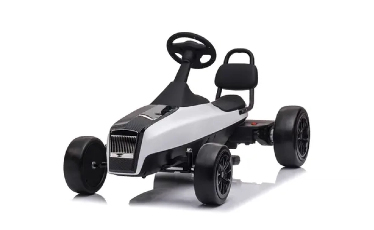
Kids’ ride-on cars are one of the most exciting and entertaining toys for children. They allow kids to experience the thrill of driving while developing essential motor skills and coordination. However, like any other toy or vehicle, safety should always be a top priority when selecting a ride-on car. With so many different models available, each offering unique features and designs, it can be difficult for parents to determine which car will keep their child safe while providing an enjoyable experience.
In this article, we will explore the critical safety features you should look for when purchasing a kids ride-on car, from speed control to construction quality, to ensure your child’s ride is both fun and secure. Understanding these features will not only help you make a more informed decision but also provide peace of mind while your child enjoys their ride.
Why Is Safety Important in Kids Ride-On Cars?
Safety should always be a primary consideration when purchasing any toy, but it’s especially important when the toy involves motion and potential hazards like speed, sharp edges, or electrical components. Kids ride-on cars may look fun and harmless, but like any motorized vehicle, they come with risks. Without proper safety features, a ride-on car could cause accidents, injuries, or damage to both the child and the vehicle.
The primary purpose of a kids ride-on car is to provide fun and independence for children while teaching them essential skills. By ensuring the ride-on car has the right safety features, you can minimize risks and maximize the enjoyment of this thrilling experience for your child.
Key Safety Features to Look for in a Kids Ride-On Car
When evaluating which ride-on car is the best choice for your child, here are the key safety features you should consider:
1. Speed Limitation
One of the most important safety features of any kids ride-on car is the ability to control the speed. Young children, especially those just starting out with ride-on cars, can easily lose control or get frightened if the car moves too quickly.
Speed Control Options: Many ride-on cars come with speed settings, allowing parents to set a limit on how fast the car can go. For younger children, look for a model with a low-speed setting (1-2 mph), while older kids may be able to handle a car with higher speeds (3-5 mph).
Gradual Acceleration: Some ride-on cars feature a gradual acceleration system, which makes it easier for the child to adjust to the speed. This is especially helpful for younger or less experienced riders.
By selecting a ride-on car with speed control, you ensure that your child can enjoy the ride without the risk of going too fast, which could lead to loss of control or accidents.
2. Parental Remote Control
Parental remote control is a highly valuable feature for ensuring safety, particularly for younger children who might not yet have the skills to control the car independently. With this feature, parents can take control of the car, guiding it in the direction they want the child to go or stopping it entirely in case of an emergency.
Control in Case of Emergency: If your child is about to crash into something or lose control of the car, you can intervene by using the remote control to stop the vehicle.
Suitable for Younger Kids: This feature is especially useful for children who are just learning to ride, as it allows you to control the vehicle until they are comfortable enough to drive it on their own.
A remote control ensures you can always take control when necessary, keeping your child safe while giving them the fun of driving their own car.
3. Seat Belt for Added Safety
A seat belt is one of the most basic but essential safety features that a ride-on car should have. Just like real cars, seat belts help keep your child secure in their seat and prevent them from falling out or being ejected during movement.
Adjustable Seat Belts: Look for ride-on cars with adjustable seat belts that can fit snugly around your child’s body. Some models even have a harness-style belt for extra security.
Proper Fit: Ensure the seat belt is easy to fasten and release, but also secure enough that your child cannot easily unbuckle it while the car is moving.
A well-fitted seat belt provides peace of mind and helps keep your child safe while driving their ride-on car.
4. Stability and Wide Wheelbase
Stability is essential in preventing your child from tipping over while using their ride-on car. A wide wheelbase provides a lower center of gravity, making it less likely for the car to tip when turning or driving over uneven terrain.
Four-Wheeled Cars: Ride-on cars with four wheels tend to be more stable than those with three wheels, providing a better balance.
Anti-Tip Design: Some ride-on cars are designed with an anti-tip feature to reduce the risk of the car tipping over when driven at higher speeds or on inclines.
Look for ride-on cars with a sturdy, wide wheelbase and low profile to ensure maximum stability and minimize the chances of tipping.
5. Soft Start Mechanism
Many ride-on cars come with a soft start mechanism, which gradually ramps up the speed rather than an instant start. This feature helps children adjust to the car’s movements more easily and reduces the risk of jerky movements that could cause accidents.
By selecting a ride-on car with a soft start feature, you ensure that the child has a more controlled and enjoyable experience.
6. Durable Materials and Construction
The build quality of the ride-on car plays a significant role in its safety and longevity. A well-constructed car made from durable materials ensures that the car can withstand bumps, falls, and rough handling without breaking down.
Strong Plastic or Metal Frame: Look for ride-on cars with a sturdy plastic or metal frame that is resistant to cracking or breaking. These materials are durable enough to handle the wear and tear of everyday use.
Non-Toxic Materials: Ensure that the car is made from non-toxic, child-safe materials, especially if the car is painted or contains any decals or accessories. Safety certifications and labels can provide assurance that the materials are safe for your child.
A durable, well-made ride-on car will keep your child safe and provide them with a fun, long-lasting toy.
7. Lights and Sounds for Visibility
To ensure your child’s ride-on car is visible to others, especially when driving outdoors or in low-light environments, look for a model equipped with lights and sounds.
Headlights and Taillights: Cars with working headlights and taillights increase visibility, especially in dim conditions or when driving in the evening.
Horn or Sounds: Some ride-on cars come with a working horn or make engine sounds, adding to the realistic experience and alerting others that your child is driving.
These additional features enhance safety while also making the ride more fun and engaging for your child.
8. Easy-to-Use Controls
The controls of the ride-on car should be intuitive and easy for your child to use. Complicated or hard-to-reach buttons can make it difficult for younger children to operate the car safely.
Pedals and Steering Wheel: Ensure that the pedals (for acceleration and braking) and the steering wheel are positioned at a comfortable height for your child to easily reach and operate.
Simple Control Interface: For younger kids, opt for a ride-on car with simple forward, backward, and stop functions. The fewer controls, the easier it is for the child to operate the car safely.
Conclusion
Choosing the right kids ride-on car is not just about fun and entertainment; it’s about ensuring your child’s safety while they enjoy their new toy. By considering the important safety features, such as speed limitation, seat belts, parental remote control, and a stable design, you can provide your child with a safe, enjoyable, and memorable experience.
When purchasing a ride-on car for your child, prioritize features that promote safety and ease of use. A well-designed, high-quality ride-on car can provide endless hours of entertainment while giving you peace of mind.
For more information on high-quality, durable, and safe ride-on cars, BIG RIDE ON CARS Co., Ltd. offers a wide selection of ride-on vehicles that meet the highest safety standards. Their expertise and commitment to quality ensure that your child will enjoy a safe and exciting ride.
FAQ
Q: How fast do kids ride-on cars go?
A: Most kids' ride-on cars have a top speed of 1.5 to 5 mph, depending on the model. Look for speed control options to limit the speed for younger children.
Q: What age group is suitable for a kids ride-on car?
A: Kids ride-on cars are generally suitable for children aged 1-7 years. However, some models are designed for older kids, offering higher speeds and more advanced features.
Q: Can I use a ride-on car outdoors?
A: Yes, many ride-on cars are designed for outdoor use. However, ensure that the car is used on smooth, flat surfaces to avoid tipping over.
Q: How do I maintain my kids ride-on car?
A: Regularly clean the car after use, check the battery, ensure the wheels are working smoothly, and inspect for any wear or damage to keep the car in top condition.


