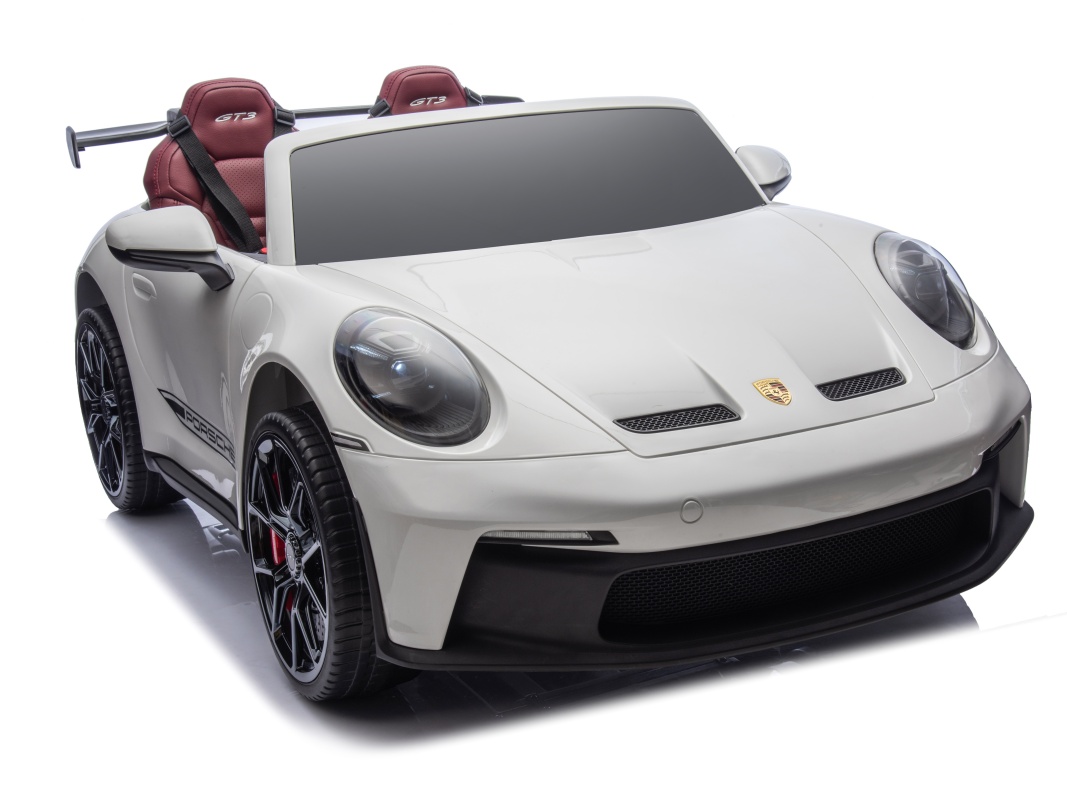
The toy market is heavily saturated today. Buying a car-related present is incredibly easy; however, buying one capable of lasting, holding attention, and justifying the price tag requires rigorous evaluation. Parents and relatives often face a hidden trap. You risk purchasing poorly manufactured vehicles. Some items feature inappropriate age-scaling, while others simply break after just one use. Nobody wants to see a disappointed child holding a broken toy on their birthday. We aim to solve this exact dilemma. This guide provides a clear decision-making framework to evaluate the best gifts for boys who are true automotive enthusiasts. You will discover exactly how to balance your budget, ensure maximum safety, and secure long-term play value. We will guide you past cheap novelties toward meaningful, lasting investments. By following these steps, you guarantee a memorable and durable surprise.
Key Takeaways
Match voltage to age: For powered toys, 6V is for toddlers, 12V is the standard for ages 3-5, and 24V is required for older children or uneven terrain.
Verify compliance: Legitimate motorized gifts must possess ASTM safety certifications and UL-listed chargers.
Consider the physical footprint: Large ride-ons require dedicated storage and complex assembly—factor this into the purchase decision.
Analog scales better: Modular car-themed toys (like track sets or mechanic STEM kits) often provide longer engagement lifespans than single-use novelties.
Evaluating Electric Car Toys and Licensed Ride-On Cars
It can be incredibly tricky differentiating between generic motorized toys and high-quality investments. You see hundreds of options online. Many look identical at first glance. We need to cut through the marketing noise. You must understand the underlying hardware to make an informed choice.
Performance metrics define the actual user experience. Voltage dictates reality. You must set realistic expectations for 12V versus 24V systems. A 12V system works perfectly for flat driveways and younger children. It provides gentle acceleration. A 24V system delivers higher torque. You need this extra power for grassy hills or heavier children. You must also understand realistic battery life. Most batteries provide 45 to 90 minutes of continuous use. They absolutely do not run "all day." Charge times run long. Expect an 8 to 12 hour wait between sessions.
You might wonder about the return on investment of a licensed ride-on car. Brands like Ford, Mercedes, or Lamborghini guarantee stunning, accurate aesthetic details. They feature official badges, realistic grilles, and authentic paint colors. They look amazing. However, licensing does not automatically guarantee superior motor quality. You are paying a premium for the visual design. You must still verify the battery capacity and motor output independently.
Risk mitigation remains critical for younger drivers. We highly recommend seeking out 2.4GHz parental remote controls. This specific frequency prevents interference from neighbor's toys. These remotes offer an essential emergency stop feature. You can override the steering or halt the vehicle instantly. This feature proves non-negotiable when toddlers steer toward busy streets or steep drops.
High-Engagement Alternatives: Analog and Car-Themed Toys
Sometimes, non-motorized options provide the most brilliant solutions. They focus heavily on spatial awareness. They encourage continuous, imaginative building. You transition the child away from screens. You invite them into a world of physical problem-solving.
Consider die-cast and track ecosystems. Brands like Hot Wheels or Carrera dominate this space for good reason. We love their scalability. You start small. You can easily add track packs, loops, and new vehicles over time. This keeps the toy continuously fresh. The child designs new layouts daily. They learn basic physics through trial and error. They figure out momentum and gravity naturally.
Engine-rebuild kits and Lego Technic sets stand out as exceptional choices. We rank them as top-tier car gifts for boys aged seven and older. They offer a highly specific feature-to-outcome benefit. They transition the child from a passive consumer to a highly active builder. They learn exactly how gears interlock. They explore differentials, suspension systems, and steering columns. This builds intense focus and patience.
Top Analog Categories for Sustained Engagement
Die-Cast Track Systems: Perfect for endless scalability and creative track design.
Slot Car Racing Sets: Great for competitive play and developing hand-eye coordination.
STEM Mechanic Kits: Ideal for deep, focused building and understanding real-world engineering.
Model Car Kits: Excellent for refining fine motor skills and attention to aesthetic detail.
Safety Certifications and Implementation Realities
Safety always comes first. You need an authoritative evaluation of compliance before clicking buy. Legitimate products must meet non-negotiable safety standards. Look specifically for ASTM F963 compliance. This represents the Standard Consumer Safety Specification for Toy Safety. It ensures the toy passed rigorous drop tests and possesses no sharp edges. CPSIA compliance is also federally mandatory. It guarantees the product remains free of harmful lead and phthalates.
Battery safety requires strict attention. Most large vehicles use SLA (Sealed Lead Acid) batteries. Some newer models utilize lithium-ion cells. You must emphasize overcharge protection. Leaving an SLA battery plugged in indefinitely ruins the internal cells. You should never store these batteries in a fully depleted state. This causes sulfation and kills the battery permanently. Always use the UL-listed charger provided by the manufacturer.
We need transparent assumptions about the actual rollout. Large electric car toys often require serious preparation. Expect one to two full hours of complex assembly. You will need screwdrivers, wrenches, and plenty of patience. Furthermore, the battery requires an immediate overnight charge before the first use. We strongly warn buyers against "day-of" unboxing. Do not wait until a birthday morning to open the cardboard box. The child will feel deeply disappointed while waiting twelve hours for the initial charge. Build it the night before.
Best Practices for Smooth Assembly
Read the entire instruction manual thoroughly before turning a single screw.
Inventory all small parts, washers, and cotter pins before beginning the build.
Charge the battery independently while you assemble the main chassis.
Inspect all wiring harnesses and steering column connections carefully.
Space, Terrain, and Scalability Considerations
You must frame your purchase decision around the end-user's physical space. Environmental constraints matter heavily. A massive off-road truck makes zero sense for a small urban apartment. You need wide driveways, safe cul-de-sacs, or large backyards to justify large motorized items.
Tire material dictates where the vehicle can actually travel. Manufacturers typically offer two choices. Plastic wheels run incredibly loud on pavement. They slip easily on wet grass or smooth indoor floors. You should reserve them for flat, dry pavement only. EVA rubber tires provide vastly superior traction. They run much quieter. You absolutely need them for gravel, dirt, or thick grass terrains. They grip the surface and prevent frustrating spin-outs.
Storage reality often surprises new buyers. Large battery-powered vehicles take up significant square footage. They must be stored indoors. A climate-controlled garage works perfectly. You must actively prevent battery degradation and weather damage. Rain destroys the electrical relays. Freezing winter temperatures crack plastic bodies and ruin battery capacities. If you lack indoor storage, reconsider buying a large motorized vehicle.
Tire Material Comparison
Feature
Standard Plastic Tires
EVA Rubber Tires
Traction
Poor (Slips on grass)
Excellent (Grips dirt and grass)
Noise Level
Very loud on pavement
Quiet and smooth
Durability
Prone to cracking over time
Highly durable and puncture-proof
Cost Impact
Cheaper, standard on budget models
Premium feature, adds cost
Shortlisting Logic: How to Finalize Your Purchase
Let us break down the exact shortlisting logic. You can finalize your purchase confidently based on a defined budget. Knowing your spending limit helps eliminate poor choices quickly.
If your budget sits under $50, focus on durable die-cast sets. Multi-level car wash stations or interactive racing mats work exceptionally well. Avoid cheap, low-end remote control cars in this tier. They usually lack durability, suffer from weak signals, and break quickly. Stick to analog toys here for maximum longevity.
In the $50 to $150 range, you can optimize for high-quality RC cars. Look for hobby-grade models offering easily replaceable parts. If a suspension arm breaks, you want the ability to buy a spare. Advanced STEM model kits also fit perfectly into this tier. They offer hours of focused assembly time.
The $150+ tier represents the target range for a highly reliable licensed ride-on car. At this price point, we strongly advise buyers to prioritize functional performance. Look for a large 12V or 24V battery size. Insist on upgraded EVA rubber tires. Demand the 2.4GHz parental remote. These mechanical upgrades matter far more than superficial features like built-in MP3 players or flashy LED lights.
Conclusion
You now possess a solid, reliable evaluation framework. Always start by assessing the child's age and current motor skills. Next, take a hard look at the physical storage space available at their home. Finally, match your budget to the correct category. Whether you choose scalable analog tracks, intricate STEM kits, or premium motorized options, prioritize durability and safety above all else.
Before making your final choice, take a few immediate actions. Measure your available garage or closet space. Verify the exact dimensions of your shortlisted car lover gifts. Read the specific battery specifications and charging requirements. Order early to allow sufficient time for unboxing, hidden assembly, and that crucial overnight charge.
FAQ
Q: How long do the batteries actually last on ride-on cars?
A: Battery lifespan heavily depends on your charging habits. They typically last one to three years under normal conditions. You should avoid leaving them completely drained for long periods to prevent sulfation. Replacement batteries are widely available online and usually cost between $30 and $50.
Q: Are licensed ride-on cars safer than generic ones?
A: Licensing primarily focuses on branding and aesthetic accuracy. A luxury brand badge does not inherently make a vehicle safer. True safety is dictated by legitimate ASTM and UL certifications. Always check the build quality, wiring protection, and structural integrity, regardless of the brand name attached.
Q: What is the best car gift for a boy who lives in an apartment?
A: We strongly advise against large motorized vehicles for apartment dwellers due to severe space constraints. Instead, recommend scalable track systems or extensive die-cast collections. Compact STEM mechanic kits also provide hours of intense engagement without taking up valuable floor space.