Introduction
When you hear the term "ride on car," what comes to mind? Is it a miniature vehicle for kids, or could it be something more? This phrase may seem simple, but it holds deeper meaning in the world of children's entertainment and motorized toys. In this article, we will explore what ride on cars are, their types, features, benefits, and why they are becoming a must-have for young children.
Understanding the Term "Ride on Car"
The Basic Definition
A ride on car is a battery-powered or pedal-driven miniature vehicle designed for children. These cars allow kids to "ride" by sitting in and controlling them, either manually or via remote control. Unlike traditional toy cars, which are meant for pushing or pulling, ride-on cars offer an interactive driving experience, making them one of the most exciting toys for children.
Origins of Ride on Cars
The concept of ride-on cars dates back to early pedal cars from the late 19th and early 20th centuries. These were manually operated by pedaling, similar to bicycles. Over time, technology advancements led to the creation of battery-powered versions, mimicking real cars with working lights, sounds, and even MP3 players. Today, these vehicles are more sophisticated, offering a near-real driving experience for young users.
Different Types of Ride on Cars
Battery-Powered Ride on Cars
Battery-powered ride-on cars dominate the market. These vehicles run on rechargeable batteries, usually 6V, 12V, or 24V, determining their speed and power. Some high-end models even include dual motors for enhanced performance.
Pedal-Powered Ride on Cars
Pedal-powered ride-on cars are the traditional version, relying on a child's pedaling effort to move. While they require more physical activity, they provide a fun and energy-burning experience for kids.
Push and Pull Ride on Cars
Designed for toddlers, these ride-on cars are simple and parent-assisted. Some come with a push handle, allowing caregivers to guide their children while they enjoy the ride.
Remote-Controlled Ride on Cars
Modern ride-on cars often include parental remote control options. This feature enables parents to take control when necessary, ensuring safety while allowing children to enjoy the feeling of driving.
Features That Make Ride on Cars Special
Realistic Design Elements
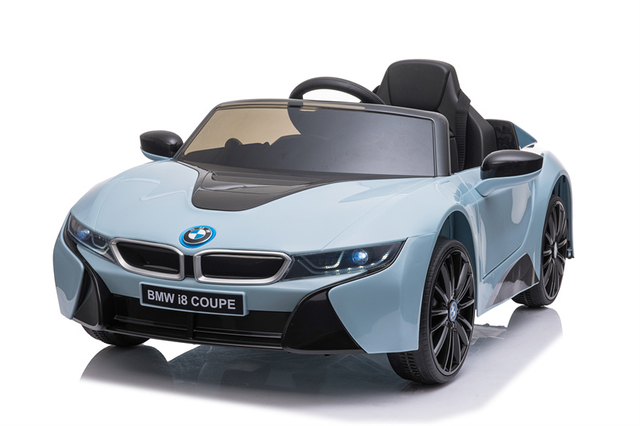
Many ride-on cars are modeled after luxury and sports cars, such as BMW, Mercedes-Benz, and Lamborghini. They include:
Working headlights and taillights
Realistic engine sounds
Horn and MP3 music systems
Opening doors and seat belts
Safety Features
Parents often worry about safety, but modern ride-on cars come equipped with seat belts, anti-slip tires, and speed control mechanisms to ensure a secure riding experience.
Battery Life and Charging Efficiency
Battery life is a crucial factor. Most ride-on cars run for 1-2 hours on a full charge, depending on the voltage and usage. Higher voltage cars tend to have better battery performance.
Why Are Ride on Cars So Popular?
Encouraging Outdoor Play
In an era where screens dominate children's entertainment, ride-on cars encourage kids to play outdoors, explore, and engage in physical activity.
Developing Motor Skills and Coordination
Operating a ride-on car requires hand-eye coordination, spatial awareness, and problem-solving skills. Children learn how to steer, control speed, and navigate their surroundings safely.
Boosting Imagination and Creativity
Children often pretend to be race car drivers, police officers, or adventurers while using ride-on cars, fueling their imagination and enhancing role-playing experiences.
Choosing the Right Ride on Car
Age and Size Considerations
Selecting the right ride-on car depends on a child's age and weight. Smaller 6V cars are perfect for toddlers, while 24V models are ideal for older children who want higher speeds and more power.
Terrain Adaptability
Where will the car be used? Some ride-on cars are designed for smooth indoor floors, while others have rubber tires and suspension systems for outdoor adventures on rough terrain.
Conclusion
A ride on car is more than just a toy—it's a miniature adventure machine that offers children joy, learning opportunities, and real-world driving experiences. Whether it's a battery-powered sports car, a pedal-powered classic, or a remote-controlled model, ride-on cars continue to captivate children and parents alike. Investing in the right one ensures endless fun, skill development, and outdoor playtime for young explorers.


