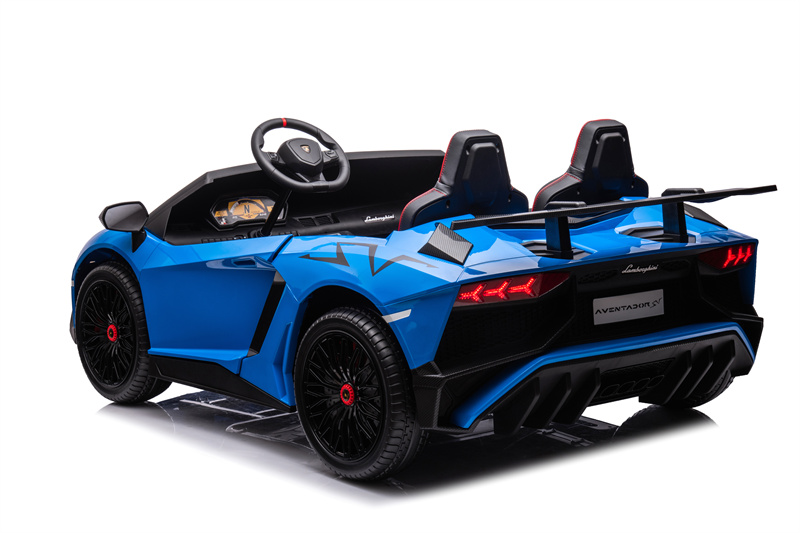
The voltage printed on a Ride on Car is useful only when it is considered with the way that vehicle will actually be used. A 12V Ride on Car may be a sensible fit for a smaller, level play area and a child who is learning basic steering and pedal control. A 24V Ride on Car may be designed with more reserve for a larger vehicle body, more motors, a passenger arrangement, or approved mixed outdoor conditions. Neither number is a universal quality score. The more useful question is whether the complete vehicle, the rider, and the play route suit each other.
Key Takeaways
Voltage is one part of the electrical system; motors, gearing, wheels, load, battery capacity, and terrain determine the daily experience.
A 12V Ride on Car commonly fits controlled play on smooth, level surfaces, while 24V models can suit larger or more demanding approved applications.
Runtime cannot be predicted from voltage alone. Capacity, rider weight, surface resistance, starts, and speed selection all affect it.
A parental remote control is an aid to close adult supervision, not a substitute for a safe play area or an age-appropriate vehicle.
What 12V and 24V Mean in Practice
The “V” represents the nominal voltage of the vehicle’s electrical system. It does not reveal an exact speed, a fixed runtime, or whether a model is safe for a particular child. Motors, controllers, wiring, gear reduction, and the forces at the wheels turn the electrical system into movement. A useful plain-text relationship is: electrical power = voltage x current. The system still needs to draw and manage current correctly, and the vehicle still needs enough grip and mechanical advantage for the surface beneath it.
This explains why two products with the same voltage can feel different. A heavier body can require more energy to move. A second seat changes the likely load. A rougher surface creates more rolling resistance. A battery that is partly discharged may provide a different experience from one charged under the maker’s instructions. A comparison that ignores those factors can make a simple label seem more decisive than it is.
BIG RIDE ON CARS organizes products by voltage, including its 12V Ride on Car category and 24V Ride on Car category. These categories are a practical way to begin a comparison, but individual product pages and operating instructions should always make the final decision.
What a Family Notices During Normal Play
On a dry, level paved surface, a well-matched 12V Ride on Car can provide a manageable first driving experience. The child can focus on simple skills: understanding the pedal, directing the steering wheel, responding to an adult’s instruction, and recognising where the route ends. This type of use does not demand that the vehicle overcome significant resistance, so the family can concentrate on predictability and available space.
A 24V Ride on Car may be more appropriate when the vehicle is physically larger or expected to operate within approved conditions that place more demand on the system. Larger bodies, multi-motor layouts, and some passenger formats can need additional electrical reserve. The practical advantage is not simply a claim of greater speed. It can be the ability to sustain normal movement without feeling strained when the rider load or permitted surface becomes more demanding.
The same feature can be unhelpful if it is mismatched to the environment. A more substantial Ride on Car needs adequate room to start, turn, and stop. It should not be selected for a tight patio merely because the headline specification sounds more impressive. A quieter, lower-demand design can be a better outcome for a small riding area and a child who is still developing control.
Compare the Full System Before Choosing
Selection factor
What to check
Why it matters in everyday use
Motors and drive
Motor configuration, drive wheels, and product guidance
These affect response to load and surface changes.
Battery
Voltage, capacity, compatible charger, and charging instructions
Capacity and use conditions influence session length.
Wheels
Stated wheel material and intended surface
Wheel contact affects traction, noise, and comfort.
Vehicle format
Body size, seats, product weight, and published load limit
A larger format may need more space and more reserve.
Controls
Speed settings, soft start, pedal response, and remote features
Controls affect how manageable the vehicle feels.
Route
Paving, grass, gravel, slopes, obstacles, and moisture
Surface resistance can matter more than a showroom comparison.
Do not assume that a 24V system runs twice as long as a 12V system. Runtime changes with battery capacity, the energy drawn by the motors, rider weight, temperature, the selected mode, and the number of starts and stops. A light vehicle moving gently on pavement can use its stored energy differently from a larger vehicle crossing grass with two occupants. Responsible product copy should state the individual product’s specifications and charging requirements rather than make general runtime promises.
Terrain and Load Change the Answer
Pavement is normally the easiest condition for a Ride on Car because it is firm and predictable. Grass adds resistance, particularly when it is long, damp, uneven, or on a slope. Gravel can shift under the wheels and may contain sharp or loose material. The right choice is always the vehicle and surface combination permitted by the maker, not a decision based on voltage by itself.
Load is equally important. “Two seater” should never be treated as the whole load specification. The vehicle’s published maximum load, its age guidance, and its seating instructions remain the controlling limits. An additional rider can change handling, increase the work required to start, and reduce usable session time. Buyers should select a vehicle for the actual occupants and likely route, rather than assuming a larger body will handle every situation.
For outdoor use, inspect the area first. Keep the Ride on Car away from traffic, pools, steps, drop-offs, steep gradients, mud, standing water, and loose debris. On grass, check for holes, roots, sprinkler heads, and wet patches. On a paved area, remove cords, sand, toys, and other obstructions. A well-prepared route improves both the child’s experience and the life of the vehicle.
Charging, Storage, and Daily Care
Charging habits are part of the comparison. Use only the compatible charger and follow the supplied instructions. Charge in a dry, ventilated location away from heat sources and out of children’s reach. Do not use a damaged charger, cable, connector, or battery housing. After outdoor use, remove visible grass, dust, and stones from accessible wheel and underbody areas, then store the vehicle dry.
It is also helpful to use a consistent pre-ride routine. Confirm the vehicle is charged as required, inspect the wheels and controls, check the intended control mode, and review the surface. A parent should test a remote-control function before the child begins if the model includes one. This routine is small, but it reduces the chance that a flat battery, blocked wheel, or unexpected mode selection disrupts the session.
Selecting a Product Range by Use Case
For retailers and importers, a 12V group can be positioned around compact formats, flat-surface use, and early driving sessions. A 24V group can be positioned around larger bodies, more demanding approved outdoor expectations, or designs with multiple motors or a different seating role. That distinction is useful only when product listings also show the published load limit, recommended age, wheel type, controls, and charging requirements.
BIG RIDE ON CARS presents Ride on Car options by both voltage and vehicle type. That structure lets buyers compare cars, jeeps, ATVs, UTVs, and go-karts without suggesting that one voltage is best for every child. Product selection should begin with the real environment: who will ride, where the vehicle will travel, how it will be stored, and which adult will supervise it.
Questions to Ask Before Comparing Quotes
Voltage is a useful filter, but a sourcing discussion should be more detailed. Ask which battery and charger are supplied, how the motors and drive wheels are configured, what wheel material is fitted, what the published rider and load guidance is, and which surfaces the model is intended to meet. Ask how the child-drive and remote-control modes work when those features are included. Confirm packing, assembly, service, and spare-part information separately from the performance description.
This approach is helpful because it compares usable value rather than a headline number. Two 24V Ride on Car designs may have different vehicle sizes, motor layouts, wheels, and intended users. Two 12V designs may differ just as much. A buyer who collects the same core details for every model can build a range with fewer gaps and explain the choices more clearly to families.
For home use, add three ordinary questions: Can the vehicle turn comfortably in the available space? Can it be charged and stored dry? Will an adult be present for early rides and changes in route? These questions often determine the right choice faster than searching for a universal rule about voltage.
It is also worth planning for the child’s learning curve. A vehicle can be technically suitable yet still feel difficult on the first day. Start with short, supervised sessions on the clearest route, then increase complexity only as the child shows reliable steering and stopping. This lets the family judge the 12V or 24V system by ordinary, safe use instead of by a demanding first test.
Keep the Comparison Specific
The most useful comparison uses the specification sheets of the exact models being considered. Avoid translating a general rule about one voltage into a promise for every Ride on Car. Exact information about load, controls, wheels, and charging keeps the final decision practical and defensible.
Review the Choice as Conditions Change
Revisit the decision when the child grows, the play area changes, or a passenger is introduced. A Ride on Car that once matched a small paved route may no longer be the best format for the family’s routine.
Conclusion
The everyday difference between a 12V and 24V Ride on Car is not a simple higher-versus-lower comparison. Voltage works together with motors, wheels, load, terrain, controls, and battery capacity. A 12V model can be the sensible choice for level, routine play and a newer driver. A 24V model may make more sense for a larger format or a demanding approved use case. BIG RIDE ON CARS provides voltage-based categories to support this comparison, but the best decision remains the one that matches the child, the route, and the product instructions.
FAQs
Is a 24V Ride on Car always faster than a 12V model?
No. Motor setup, controller settings, gearing, rider load, and the model’s design affect speed. Compare the stated specifications of the actual product.
Does 24V guarantee longer play time?
No. Runtime depends on battery capacity, energy draw, terrain, load, temperature, and driving style. Follow the individual product’s charging guidance.
Can a 12V Ride on Car run on grass?
Some models may be intended for short, dry, firm grass, but performance depends on wheels, motors, rider load, and the maker’s stated limits. Do not assume all lawns are suitable.
What should parents check before choosing a 24V Ride on Car?
Check the recommended age, maximum load, intended surfaces, control modes, available play space, storage location, and charging instructions.
Is parental remote control needed on every model?
No. It can assist close adult supervision on compatible models, but it does not replace a suitable vehicle, a clear route, and active supervision.