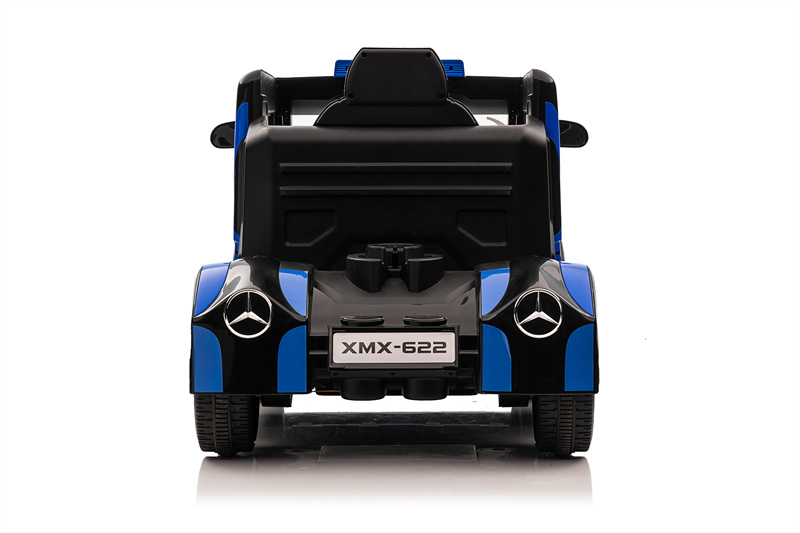
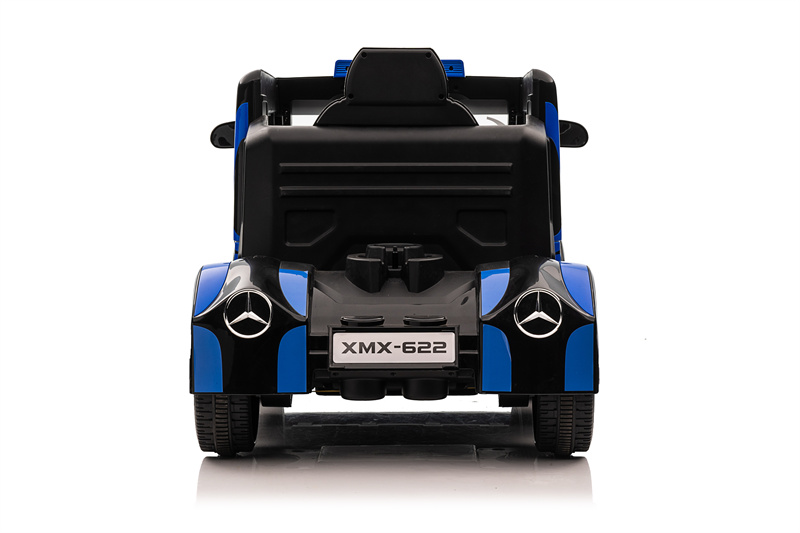
Purchasing a licensed luxury ride-on is a significant investment. Buy a model too small, and the child outgrows it in mere months. Buy one too powerful, and it becomes a severe safety hazard. It often sits unused in the garage gathering dust.
Manufacturer age recommendations usually boast broad ranges like "3-8 years." Real-world usability depends heavily on actual physical metrics. Your child's height, weight, and motor skills matter most. The vehicle's specific voltage and chassis size also dictate the true fit. A generic age label ignores these crucial ergonomic variables.
We will provide a clear, metric-driven framework to simplify your choice. You will learn how to match the right vehicle tier to actual developmental stages. This guide ensures safety, maximizes longevity, and guarantees optimal return on your purchase.
Key Takeaways
Toddlers (1–3 Years): Require 12V models equipped with parental remote controls, 5-point harnesses, and "soft start" technology to prevent whiplash.
Ages 3–6 Years: The primary demographic for standard 12V and entry-level 24V models, where children transition to independent pedal-and-wheel operation.
Ages 6–8+ Years: Demand heavy-duty, 24V systems with higher weight capacities and expanded legroom (e.g., commercial-style truck replicas) to accommodate physical growth.
Voltage Dictates Lifespan: A 12V car is ideal for flat surfaces and younger drivers, while a 24V system is necessary for off-road terrain, heavier children, or two passengers.
The Sizing Framework: How Voltage and Chassis Design Dictate Age Suitability
Generic age labels fail consumers constantly. The "one size fits all" mentality ignores basic human growth rates. A 4-year-old might physically fit inside a toddler-oriented car. However, they easily exceed the optimal weight limit for battery performance. This physical overload strains the motor. It compromises both speed and overall run time.
Understanding battery architectures helps you make a smarter decision. Manufacturers engineer these vehicles around two primary power frameworks.
12V vs. 24V Architectures
A 12V system typically delivers a maximum speed of 3 to 4 mph. We recommend these units for early physical development. They perform best on flat driveways and smooth pavement. The lower torque prevents sudden acceleration spikes.
Conversely, 24V systems deliver maximum speeds between 4 and 6+ mph. They generate significantly higher torque. You need this extra power for older kids. It also becomes mandatory for uneven terrain like thick grass or gravel.
Single vs. Two-Seater Dimensions
Cabin width directly impacts the upper age limit of the vehicle. Single-seat models save space but restrict long-term growth. A two-seater provides a much wider wheelbase. It extends the usable life of the toy by one to two years. Your child gains valuable lateral legroom as they grow taller.
Table: Voltage and Terrain Matrix
System Voltage
Max Speed
Ideal Terrain
Primary Age Group
12V Single Motor
2 - 3 mph
Indoors, Flat Concrete
1 to 3 Years
12V Dual Motor
3 - 4 mph
Pavement, Short Grass
3 to 5 Years
24V Standard
4 - 5 mph
Uneven Grass, Gravel
5 to 7 Years
24V 4WD / Heavy Duty
5 - 7 mph
Hills, Dirt, Rough Terrain
6 to 8+ Years
Toddlers (Ages 1 to 3): Prioritizing Safety and Parental Override
The toddler stage requires strict safety parameters. Children between one and three have limited spatial awareness. Their steering coordination remains poorly developed. They cannot react quickly to approaching obstacles.
Safety overrides must dictate your purchasing decision here. You must prioritize features designed to protect vulnerable bodies.
Must-Have Features
Look specifically for 2.4GHz parental remote controls. These remotes must include a definitive override or stop button. The parent must retain absolute control of the vehicle at all times. If the child steers toward danger, you press one button to halt the motor immediately.
Soft-start technology is another non-negotiable feature. Standard electric motors engage instantly at full power. This causes a harsh jerk. Soft-start technology ramps up the power gradually. It prevents sudden jerks from frightening the toddler. It also protects their developing neck muscles from minor whiplash.
Cabin enclosure matters greatly. Focus on models featuring locking doors. Seek out multi-point seatbelts rather than simple lap bands. A 5-point harness keeps the child securely positioned during operation.
Best Suited Models
Compact 12V licensed sedans fit this demographic perfectly. Small SUV replicas like the AMG SL-style variants offer excellent proportions. They sit lower to the ground. This reduces tipping risks during sharp parental-controlled turns.
Best Practices for Toddlers
Always test the remote override range before placing the child inside.
Keep the speed switch locked on the lowest setting.
Ensure doors are physically clicked shut before movement begins.
Preschool to Early Elementary (Ages 3 to 6): The Core Demographic
This age bracket represents the true sweet spot for a Mercedes Benz Ride on car. Children experience rapid physical growth during these years. They become highly capable of independent steering. Their spatial reasoning improves drastically. They understand how accelerating and braking affect their environment.
The Transition Stage
You will guide them through a vital transition stage. They move away from parental remote reliance. They begin self-driving. This shift requires specific mechanical features to keep them safe while building confidence.
Feature Requirements
Multi-speed settings become essential now. Look for a distinct Low/High speed switch. Parents can lock the vehicle in low gear initially. You can unlock higher speeds later as the child's driving confidence grows.
Terrain exploration expands during preschool years. They venture beyond the flat driveway. Upgraded suspension systems help absorb bumps. Seek vehicles equipped with EVA or solid rubber wheels. Standard plastic wheels slip on wet grass. Rubber wheels provide superior traction for backyard adventures.
Expectation Management
Many buyers misjudge the growth rate of a 5-year-old. At age 5 or 6, a standard single-seat 12V model will begin to feel cramped. Knees might hit the dashboard. Buyers should evaluate legroom dimensions strictly if purchasing for a 5-year-old. Do not rely on maximum weight alone.
Common Mistakes to Avoid
Buying a strictly 12V single-seater for a tall 5-year-old.
Ignoring wheel material when planning to drive on grass.
Forgetting to teach the child how the foot brake operates before unleashing them.
Older Kids (Ages 6 to 8+): High-Power Systems and Utility Models
Older children present a completely different ergonomic challenge. They are taller and much heavier. They require significantly more speed and torque to maintain engagement. A slow car quickly becomes a boring toy.
Why Standard Models Fail Here
Standard 12V cars will inevitably stall on grass under the weight of a 50+ lb child. The motor simply lacks the necessary rotational force. Furthermore, cabin depth becomes the primary bottleneck. If a child cannot extend their legs comfortably, they will refuse to ride.
The 24V Solution
You must transition to utility, truck, or heavy-duty chassis designs. A heavy-duty frame withstands aggressive play.
Models like the 24V Mercedes Axor Ride On Truck offer a massive step up in payload capacity. It delivers exceptional torque and an expanded cabin size. Engineers specifically design these commercial-style replicas to support older, heavier children. They achieve this without sacrificing battery life or stalling on inclines.
Drivetrain Upgrades
Look for true 4WD systems. Four-wheel drive distributes the load across four separate motors. High-output dual motors also perform well. They support increased physical weight effortlessly. These drivetrain upgrades ensure the vehicle pushes through mud, gravel, and slight hills.
Evaluation Checklist: Shortlisting Your Ideal Model
Choosing the right model requires a systematic approach. Follow this strict evaluation checklist to eliminate poor choices.
Verify the Maximum Weight Capacity: Never buy a car if your child is currently within 10 lbs of the maximum limit. Motors strain heavily near maximum capacity. You want at least a 20-pound buffer for future growth.
Check Seat-to-Pedal Measurements: Request this metric from the retailer. Seat-to-pedal depth is a far more accurate metric than a generic age label. Measure your child's inseam. Compare it directly against the cabin specifications.
Assess Your Terrain: Terrain dictates voltage needs entirely. Flat concrete requires only a 12V or 2WD system. Thick grass or slight inclines demand a 24V or 4WD system. You must upgrade the voltage for rough terrain regardless of the child's current age.
Confirm Safety Certifications: Ensure the battery and charger meet local compliance standards. Look for UL certification marks. Proper certification prevents dangerous battery overheating during prolonged summer use.
Following these four steps prevents buyer's remorse. It guarantees you select a vehicle built for your specific environment.
Conclusion
There is no single "best" age for these vehicles. Rather, there is a specific model tailored exactly to every stage from 1 to 8 years old. Toddlers need safety and parental overrides. Preschoolers need transitional speeds and rubber tires. Older kids demand 24V torque and massive legroom.
For maximum longevity, we advise buying one step up in voltage and size. Consider purchasing a 24V two-seater equipped with a remote for a 3-year-old. This strategy allows the parent to control the power early on. It ensures the child has ample physical room to grow into the vehicle over the next three to four years. Match the metrics carefully, and the smiles will last for seasons.
FAQ
Q: Can a 2-year-old safely use a 24V Mercedes ride-on?
A: Yes, only if the 24V model is equipped with a parental remote control, a low-speed switch, and soft-start technology. The parent must operate it as an RC car until the child matures enough to steer independently.
Q: How long will a child physically fit in a standard 12V model?
A: Most standard 12V single-seat models max out around age 5 due to strict legroom constraints. This happens even if the child remains technically under the advertised weight limit. Cabin depth is the true limiting factor.
Q: What is the difference between a 12V and a 24V Mercedes ride-on?
A: 12V systems are designed for younger children on flat terrain, reaching up to 4 mph. 24V systems offer higher torque, handle older or heavier children easily, and navigate thick grass or inclines much more effectively at speeds up to 6 mph.
Q: Are manufacturer age ratings perfectly accurate?
A: No. Manufacturers base these ratings on safety liability rather than true ergonomic comfort. Always prioritize the vehicle's maximum weight limit and interior cabin dimensions over the broad age range printed on the box.