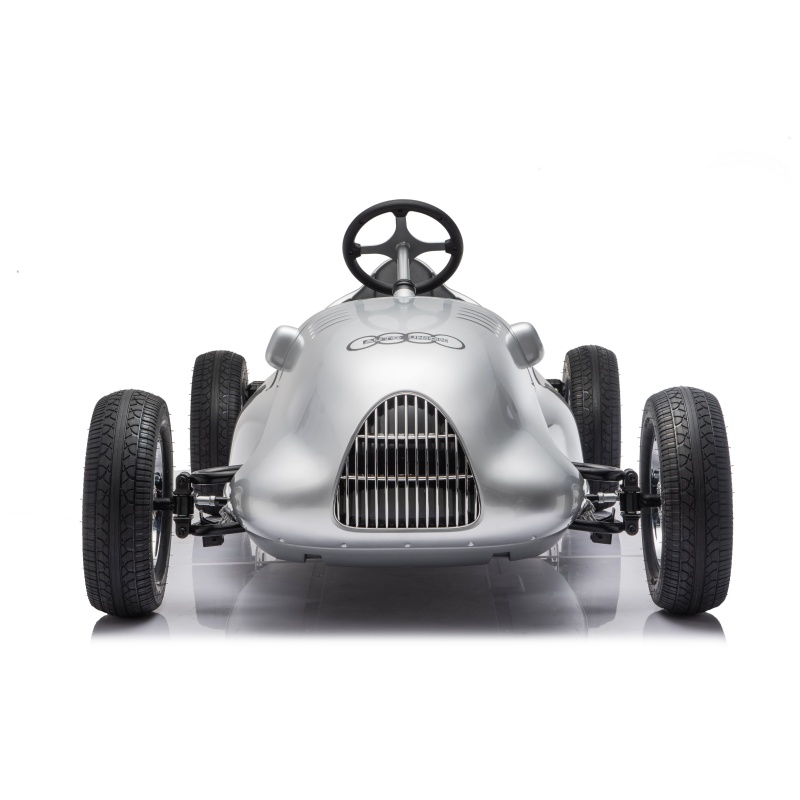
Watching your child's face light up behind the wheel is truly priceless. However, a dead toy battery mid-playtime can quickly turn happy smiles into frustrating tears. Parents constantly wonder if these popular vehicles provide reliable daily play time. Will the toy cause constant frustration? To set realistic expectations, we must distinguish between two vital metrics. "Runtime per charge" measures active driving hours today. Meanwhile, "overall battery lifespan" dictates how many years the power source remains usable. You should establish an evidence-based baseline before you buy. Manufacturer claims often assume ideal flat-surface conditions. They test vehicles on perfectly smooth warehouse floors. Real-world runtime depends heavily on rough terrain, total passenger weight, and internal battery chemistry. Most ride-on toys utilize standard Sealed Lead Acid (SLA) cells. You will learn exactly how to maximize playtime. We will also share crucial charging secrets to protect your electrical investment.
Key Takeaways
Average Runtime: A standard 12V or 24V kids ride-on car yields 1 to 2 hours of continuous real-world driving per charge.
Total Lifespan: With proper maintenance, SLA batteries last 1 to 3 years (roughly 200 to 300 charge cycles) before requiring replacement.
Charging Rule of Thumb: Routine charging takes 8–12 hours; leaving standard chargers plugged in indefinitely causes irreversible battery degradation.
Terrain Impact: Driving on thick grass or steep inclines can reduce a ride on car runtime by up to 50%.
The Reality Check: Ride On Car Runtime by Voltage Capacity
Evaluating electric toys requires basic knowledge of power systems. Different models offer vastly different driving experiences. You need to understand how voltage shapes vehicle performance. Let us look closely at standard market options.
Evaluating 6V vs. 12V vs. 24V Systems
Voltage acts as the electrical pressure pushing energy to the motors. It dictates top speed and overall torque. It directly influences how long the vehicle operates effectively.
6V Systems: Manufacturers design these specifically for toddlers. They operate indoors or on perfectly flat pavement. Most 6V toys utilize a single drive motor on one rear wheel. They lack the torque for outdoor grass. Expect 45 to 60 minutes of active runtime.
12V Systems: This represents the undisputed industry standard. Standard 12V systems usually feature dual rear motors. This setup pushes through grass effectively. It perfectly balances vehicle weight and motor power. A 12V ride on battery usually yields 1 to 2 hours on mixed neighborhood surfaces. It handles slight inclines nicely.
24V Systems: Older children absolutely need more power. These robust systems handle heavier loads easily. They support large multi-passenger vehicles. A 24V ride on battery yields 1 to 2 hours of play. Importantly, it sustains peak performance under heavy mechanical strain.
Estimated Runtime and Specifications by Voltage
Voltage System
Target Age Group
Ideal Operating Surface
Average Real-World Runtime
6-Volt
1 to 3 years
Indoors, smooth concrete
45 - 60 minutes
12-Volt
3 to 6 years
Sidewalks, short grass, driveway
1 - 2 hours
24-Volt
6 to 9 years
Hills, thick grass, dirt trails
1 - 2 hours (heavy load)
Amp-Hours (Ah) Dictate True Capacity
Voltage measures power output capability. Amp-hours (Ah) measure the actual electrical fuel tank size. Many buyers completely overlook this crucial specification. A 12V 7Ah model drains much faster than a 12V 10Ah unit. A 14Ah version provides even more driving time per session. Higher Ah ratings mean larger internal energy reserves. Always check the Ah number before purchasing a new toy. Upgrading the Ah rating offers the safest way to extend play sessions. You gain longer runtimes without risking motor damage.
How Long Does a Ride On Car Charge Last? (Real-World Variables)
You might ask: how long does a ride on car charge last during everyday outdoor use? Factory manuals happily quote maximum theoretical numbers. Real-world playground conditions tell a completely different story. Several mechanical factors drain stored energy faster than expected.
Surface and Terrain Resistance
Smooth pavement yields maximum electrical efficiency. The plastic or rubber tires roll effortlessly across hard concrete. In sharp contrast, thick backyard grass creates heavy rolling resistance. Loose gravel and steep driveway hills force motors to work aggressively. They must draw higher amperage to keep moving forward. This heavy electrical draw rapidly depletes the internal energy reserve. It significantly impacts your ride on car runtime. Driving exclusively on unkempt grass can cut playtime directly in half.
Payload and Passenger Weight
Every vehicle lists a maximum weight capacity limit. Operating near this upper limit strains the drive motors. Heavier kids require more torque to accelerate from a stop. The system pulls extra current to compensate for the load. A 40-pound child driving on concrete might enjoy 90 minutes of play. That same child driving uphill might drain the system in 45 minutes. Two children riding together will drain power twice as fast. Keep the payload balanced for optimal daily results.
Driving Style
How a child maneuvers the wheel matters immensely. Continuous, smooth driving drains power fairly efficiently. Stop-and-go play creates sudden, massive electrical spikes. The motors demand heavy startup current each time they accelerate. Aggressive driving habits reduce overall play time significantly. Teach kids to drive smoothly to maximize their afternoon fun. Also, remember onboard accessories draw power. Modern toys feature working headlights, Bluetooth radios, and horn sounds. Running Bluetooth music constantly will slightly reduce your total driving minutes.
Temperature Effects
Local weather heavily influences sealed lead acid (SLA) chemistry. Cold temperatures temporarily reduce available internal capacity. You will experience noticeable voltage sag under heavy load. The toy might feel sluggish on brisk winter days. Warm summer weather helps energy flow more freely inside the cells. However, extreme heat can permanently damage internal lead plates over time. Keep toys parked in shaded areas during heatwaves.
The Charging Lifecycle: Protocols for Safety and Longevity
Proper charging habits actively protect your investment. Most premature failures stem directly from poor charging routines. You must understand how SLA cells prefer to operate. Treat them differently than your lithium smartphone.
The Initial Charge (Priming the Battery)
New toys require strict preparation before maiden voyages. Manufacturers mandate a specific first-time conditioning charge. This initial process often takes 10 to 18 hours. It conditions the virgin lead acid cells properly. Skipping this step permanently damages total energy capacity. Never let a child drive a new vehicle straight out of the box. Be patient and follow the priming instructions perfectly.
Routine Charging Best Practices
Daily electrical maintenance requires firm discipline. Standard recharge times average roughly 8 to 12 hours. You should recharge the unit immediately after every single use. Never store the vehicle in a depleted state overnight. Letting it sit empty degrades the internal lead plates rapidly.
Plug it in directly after playtime ends.
Set a phone timer to unplug it the next morning.
Inspect the physical cables for fraying monthly.
Keep the charging port free of dirt and debris.
The Overcharging Risk
Most factory-supplied adapters lack intelligent smart technology. They deliver a continuous, blind trickle of electricity. Leaving a kids ride on car plugged in for over 24 hours causes severe damage. It boils the internal electrolytes and leads to cell dry-out. You will also cause irreversible chemical sulfation on the plates. Sulfation occurs when lead sulfate crystals harden inside. We highly recommend upgrading to a digital smart charger. A smart maintainer automatically stops power delivery when the cells reach full capacity. It switches to a safe monitoring mode automatically.
Overall Battery Lifespan: Maintenance and Replacement Logic
Even perfect care cannot make SLA batteries last forever. They act as consumable maintenance items. You need to plan financially for eventual replacement.
Expected Lifecycle
We quantify average lifespan at 1 to 3 full years. This translates to roughly 200 to 300 complete charge cycles. Excellent daily maintenance pushes longevity toward the three-year mark. Utter neglect can ruin a brand-new unit in just three months. Your habits completely dictate the lifespan of your toy.
Signs of Battery Failure
Watch closely for specific physical and electrical warning signs. You can identify a dying unit quite easily. Look for these four common failure symptoms:
Runtime drops dramatically to under 20 minutes per session.
A digital multimeter reads below 10.5V (for a 12V unit) after a full night of charging.
You hear loud clicking noises from the electrical relays, but motors do not engage.
The physical plastic casing shows visible swelling, bulging, or acid leakage.
You can verify failure quickly using a multimeter. Set your tool to DC voltage. Touch the red probe to the positive terminal. Touch the black probe to the negative terminal. A healthy 12V unit fresh off the charger should read around 12.6 to 12.8 volts. If it reads 10.5 volts after a 12-hour charge, a dead cell exists inside.
Replacement Considerations
SLA units serve as highly standardized global components. Replacing them is inexpensive and technically straightforward for any parent. A brand-new unit typically costs between $20 and $50 online. You absolutely do not have to discard the entire toy. Simply unscrew the seat, unplug the two terminal wires, and swap out the power source. This simple five-minute fix completely revives the vehicle. It mitigates the risk of an expensive toy becoming obsolete.
Winter Storage and Preventive Care Non-Negotiables
Harsh winter weather routinely destroys neglected outdoor toys. You must follow strict storage protocols during the lengthy off-season. Do not leave the vehicle buried under yard snow.
The Deep Discharge Threat
Allowing an SLA battery to sit fully drained causes absolute havoc. It permanently destroys internal cell capacity in weeks. Deep discharge chemically crystallizes the soft lead plates. You cannot reverse this specific chemical damage once it hardens. The toy will simply refuse to hold a charge next spring.
Off-Season Storage Protocol
Follow these exact steps for successful winter storage. Stick to this simple routine to guarantee springtime performance.
Fully charge the unit 100% before moving it into storage.
Disconnect the negative terminal wire completely. This prevents parasitic electrical draw from the onboard radios and lights.
Store it in a dry, temperature-controlled environment indoors. Avoid freezing uninsulated garages or damp backyard sheds.
Implement a strict top-off charge every three to four weeks during the long winter.
Many parents utilize automated battery tenders during winter. These inexpensive devices plug into the wall and connect directly to the terminals. They deliver a micro-charge only when the voltage drops naturally. This automation eliminates the need for manual monthly top-offs.
Conclusion
Choosing the right toy depends on your specific property layout. Buy a 12V model for standard neighborhood pavement and flat grass play. Invest in a 24V machine for hilly properties, older kids, and aggressive terrains. Remember, ultimate electrical longevity is dictated entirely by your daily charging habits. Factory build quality only goes so far. Never skip the vital initial charge, and avoid leaving dumb chargers plugged in for days. Maintain a strict winter storage routine. Check out our various models categorized by voltage to find the perfect fit. You can also review our replacement guides to revive existing driveway vehicles today.
FAQ
Q: Can I upgrade a 12V ride-on to a 24V battery for more runtime?
A: We strongly advise against doubling the voltage. Placing a 24V source into a 12V system will immediately fry the factory motors and melt the control board. If you want longer playtime, upgrade the Amp-Hour (Ah) capacity instead. Moving from a 12V 7Ah to a 12V 12Ah unit adds significant runtime safely.
Q: Why does my charger light stay green even when the car is dead?
A: A persistent green light often indicates a broken connection. First, check the main vehicle fuse. A blown fuse prevents electricity from reaching the battery. Second, the charger itself might be broken. Finally, if the internal cells have completely collapsed from deep discharge, they will not accept any current.
Q: Can I use a real car battery charger on a ride-on toy?
A: No. Standard automotive chargers push far too many amps for small toy cells. High-amperage chargers will boil the internal electrolytes and permanently ruin the unit. Always use a dedicated smart charger designed specifically for small SLA batteries. Look for devices that specify a maximum charge rate of 1 to 2 Amps.