Finding the perfect present often starts from a highly familiar buyer's dilemma. The child you are shopping for likely already has storage bins overflowing. Die-cast models and fragile indoor tracks dominate their playroom floor. Adding yet another miniature vehicle to this indoor pile rarely sparks lasting excitement.
The real challenge involves transitioning this intense automotive passion outdoors. You need compelling options capable of successfully competing against highly addictive screen time. These products must also survive the inevitable rough play outdoors. Modern parents want something thrilling but remarkably resilient.
To find the best options, we must evaluate products strictly. We look through a clear lens of physical durability and weather resistance. Daily physical engagement and strict safety compliance matter just as much. We always prioritize long-term value over short-lived holiday novelty. This ensures your chosen present provides genuine joy well past the winter season.
Key Takeaways
Top-Tier Investment: A kids UTV or 24V ride-on offers the highest "wow" factor, provided you have the storage and terrain for it.
Active Alternatives: Pedal-powered go-karts and heavy-duty diggers provide reliable, battery-free outdoor engagement.
Crucial Consideration: The best Christmas gifts for boys align with your specific yard size, storage capacity, and willingness to maintain components (like winterizing batteries).
Safety First: Always factor the cost of compliant safety gear (helmets, pads) into the total gift budget.
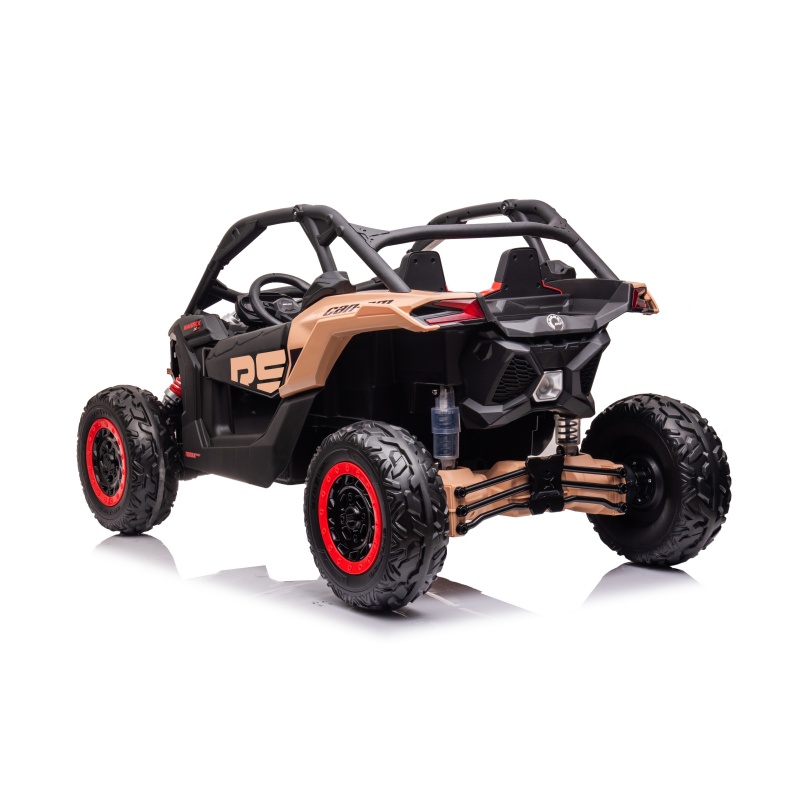
The High-Impact Upgrades: Kids UTVs and Battery-Powered Ride-On Cars
Moving from small toy cars to driving realistic, scaled-down vehicles represents a massive playtime upgrade. It completely shifts how children experience their backyard environment. Evaluating these motorized options requires looking closely at power, traction, and parental controls. You want an investment yielding seasons of reliable play.
First, you must carefully consider power systems and terrain compatibility. A standard 12V system works perfectly for flat pavement and younger toddlers. However, a 24V system becomes absolutely necessary for challenging environments. Thick grass, slight inclines, and heavier children demand the increased torque of a 24V motor.
Next, closely inspect the wheel materials for proper traction. You should prioritize EVA rubber tires over standard hard plastic wheels. Rubber offers genuine outdoor capability across diverse surfaces. It grips wet asphalt safely and significantly reduces annoying plastic road noise.
Control mechanisms also define a safe driving experience. Parental remote overrides give caregivers crucial peace of mind. You can steer or brake the vehicle remotely when younger drivers take the wheel. This feature prevents accidents near driveways or obstacles.
When shortlisting, identify your primary driving environment to make the right match. A robust kids UTV excels heavily in off-road yard use. It features higher ground clearance and functioning shock absorbers. Conversely, a sleek battery-powered ride-on car suits paved driveways beautifully. These models often focus on official brand realism and predictable steering dynamics.
You must also acknowledge clear implementation risks before buying. Motorized vehicles require diligent battery maintenance. Sealed Lead Acid (SLA) batteries degrade very quickly if left uncharged. Storing them inside a freezing garage post-Christmas will ruin the battery life entirely.
Table 1: Power System Capabilities Comparison
System Voltage
Ideal Terrain
Speed Range
Best Suited For
12V Battery
Flat pavement, smooth concrete
2 to 4 MPH
Ages 3-5, lighter toddlers, level driveways
24V Battery
Thick grass, dirt paths, slight hills
3 to 6 MPH
Ages 5-8, heavier kids, uneven backyards
Analog Action: Durable Outdoor Toys for Boys Who Want to Drive
Some parents prefer high-engagement vehicles powered entirely by kinetic energy. These analog options require absolutely zero charging time. They deliver highly reliable outdoor fun using pure muscle power. If you dislike managing battery health, this category offers the perfect solution.
When evaluating analog options, you should prioritize growth scalability. Children outgrow static toys incredibly fast. Look closely for adjustable bucket seats and highly durable steel frames. These specific features ensure the toy easily accommodates sudden growth spurts. A well-built pedal vehicle can last a child for several years.
Maintenance burdens also drop significantly in this category. Low mechanical complexity directly equals higher long-term reliability. You spend zero time fixing melted wires or replacing dead fuses. Instead, you simply wipe off the mud and let them ride again.
Your shortlist for analog action should include several proven categories:
Pedal Go-Karts: Always compare tire types before purchasing. Pneumatic rubber tires absorb bumps beautifully, while solid tires never go flat.
Sandbox Excavators: These feature ride-on seats and workable metal levers. They provide phenomenal hand-eye coordination training during dirt play.
Heavy-Duty Race Tracks: Large outdoor track sets survive the elements better than indoor plastic loops. They encourage running alongside the cars.
The shortlisting logic here remains very straightforward. Choose these analog outdoor toys for boys if your yard space feels highly constrained. They also serve brilliantly if your primary goal involves boosting cardiovascular health. They encourage heavy breathing and physical exertion rather than passive digital simulation.
Backyard Mechanics & Hobby-Grade R/C Vehicles
Remote control cars can go far beyond standard big-box retail shelves. Stepping up to hobby-grade vehicles introduces real outdoor performance and hands-on repairability. It perfectly bridges the gap between basic car enthusiasm and advanced STEM mechanics. These are machines, not just disposable plastic shells.
Repairability acts as the most important dividing line. Toy-grade R/C cars often break once and go straight into the trash bin. Their internal gears use cheap plastic. Hobby-grade alternatives, however, feature replaceable steering servos. They utilize hardened metal gears and independent oil-filled suspension parts. You can fix them easily using simple hand tools.
You also need to assess the driver's current skill level. Hobby-grade motors spin incredibly fast. Look for transmitters offering built-in speed limiting functions. This crucial feature keeps beginners from destroying their new gift during the very first run. They can increase the top speed as their reaction times improve.
However, you face specific implementation considerations before choosing this path. Buying a hobby-grade R/C means fully committing to the broader ecosystem. You will eventually need to purchase spare parts like A-arms or spur gears. You must also teach the child basic maintenance routines. They need to clean the chassis thoroughly after muddy backyard runs. They must learn battery safety protocols.
How to Evaluate Christmas Gifts for Kids (The Decision Framework)
Finding the right gift requires following a transparent, practical buying guide. You need to look well beyond the flashy holiday packaging. Assessing your actual living situation prevents expensive buyer's remorse.
First, closely assess your physical outdoor environment. Does the family have a smooth paved driveway? Do they own a large grassy yard, or do they frequent nearby public parks? You must match the tire compound and power type directly to this daily terrain. Putting a street-tire vehicle on wet grass guarantees immediate frustration.
Storage realities often shock new buyers on Christmas morning. A large two-seater ride-on car easily takes up the exact same footprint as a push lawnmower. Carefully measure your garage or shed capacity before purchasing any bulky big-ticket items. Leaving these toys exposed in the yard ruins their electronic components quickly.
Finally, evaluate the child's age versus their actual maturity. You must distinguish between manufacturer age recommendations and genuine developmental readiness. Manufacturers base ages largely on choking hazards and standard weight limits. You must judge their steering coordination and spatial awareness instead.
Applying this framework ensures the Christmas gifts for kids you select will actually see daily use. Safe, practical gifts always beat overly ambitious, frustrating ones.
Safety, Assembly, and Post-Christmas Realities
The morning after Christmas often brings unexpected parental stress. Large outdoor vehicles and complex track systems frequently require intense effort. They demand one to three hours of focused assembly time. We strongly advise buyers to assemble the vehicle fully 24 hours before Christmas morning. Charge the battery completely before applying the final decals. Do not wait until midnight on Christmas Eve.
Compliance and safety gear remain completely non-negotiable add-ons. If you purchase motorized vehicles or fast pedal toys, protection matters immensely. You must include a CPSC-certified helmet as part of the core gift package. Add sturdy knee and elbow pads for aggressive pedal karts. Establish the safety rules before they take their very first ride.
Weather limitations also heavily dictate the initial holiday experience. Giving outdoor gifts in freezing December carries inherent geographic realities. Outline what specific features they can safely test indoors.
Test headlights, horn sounds, and radio functions inside a warm garage.
Practice basic steering techniques in a cleared basement space.
Save high-speed neighborhood test drives for a dry, sunny afternoon.
Setting these boundaries prevents electronics from suffering immediate water damage. It also keeps children safe from slipping on icy winter driveways.
Conclusion
The best automotive gifts match your child’s physical energy directly against your family's logistical realities. You cannot ignore tight space constraints or required seasonal maintenance schedules. Choosing wisely guarantees several years of highly engaging, active outdoor play.
Take direct action now by measuring your available garage storage space. Check the specific battery voltage needs based heavily on your yard's grass thickness and terrain incline. Finally, secure these Christmas gifts for boys early to account for extended holiday shipping times. Bulky items often face unforeseen freight delays during December.
FAQ
Q: What is the difference between a 12V and 24V battery-powered ride-on car?
A: A 12V ride-on maxes out at lower speeds and works best on smooth, flat pavement. It suits lighter toddlers perfectly. A 24V system provides significantly more motor torque. It easily tackles thick grass, uneven terrain, and slight inclines. It also accommodates heavier children while offering much higher top speeds.
Q: Can you leave a kids UTV outside in the winter?
A: No, you should never leave it exposed outside during winter. Cold weather and moisture severely damage sensitive electronic components. Furthermore, freezing temperatures rapidly degrade Sealed Lead Acid (SLA) batteries. You must store the vehicle in a dry space and charge the battery monthly during the off-season.
Q: What are the best outdoor toys for boys who already have too many small toy cars?
A: Transition them from indoor collecting to active outdoor play. Pedal go-karts offer excellent cardiovascular exercise. Sandbox excavators featuring workable metal levers develop essential hand-eye coordination. Alternatively, hobby-grade R/C cars introduce them to mechanical repair and outdoor racing without taking up massive garage space.
Q: At what age can a child safely use a motorized ride-on toy?
A: Most manufacturers recommend ages three to eight, but developmental readiness matters more. A child needs basic spatial awareness and decent steering coordination. For younger toddlers, parental remote controls allow safe use before they master steering. Always assess their ability to follow basic safety rules before handing over full control.