Introduction
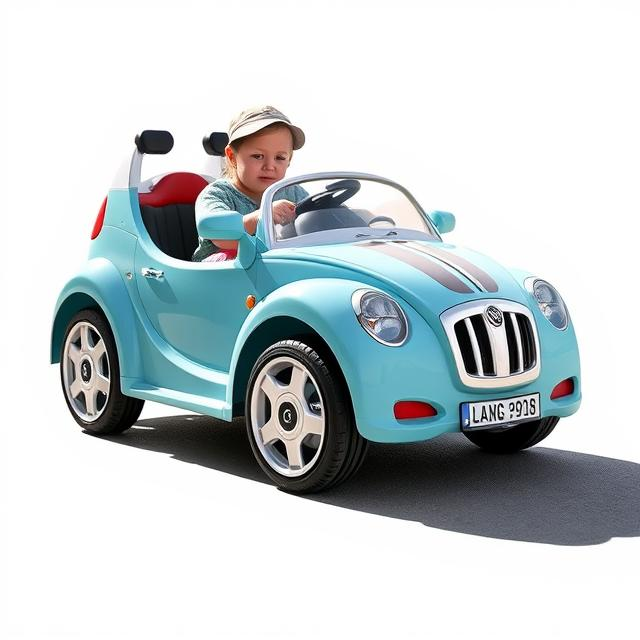
Child development is a multifaceted process that involves physical, cognitive, social, and emotional growth. Parents and educators are continually seeking innovative ways to support and enhance this development. One such avenue that has gained popularity in recent years is the use of ride-on cars. These miniature vehicles are more than just toys; they are tools that can significantly contribute to a child's overall development. By providing hands-on experiences, ride-on cars offer children an engaging way to develop essential skills. This article delves into the various benefits that kids ride on car brings to child development.
Physical Development Benefits
Physical growth in early childhood is crucial as it lays the foundation for healthy development. Ride-on cars encourage children to engage in physical activities that enhance their gross motor skills. Steering, accelerating, and maneuvering the car require the use of large muscle groups, promoting muscle strength and endurance. According to a study published in the Journal of Motor Behavior, children who participate in active play exhibit better motor skill proficiency.
Enhancement of Gross Motor Skills
Gross motor skills involve movements of the large muscles in the arms, legs, and torso. Operating a ride-on car requires children to use these muscles effectively. They learn to coordinate their limbs to navigate the car, which enhances their ability to perform complex movements. This active engagement is vital for developing balance and coordination.
Promotion of Physical Activity
In an era where screen time is prevalent, encouraging physical activity is more important than ever. Ride-on cars motivate children to play outdoors, increasing their exposure to fresh air and sunlight, which is beneficial for their health. Regular physical activity helps in preventing childhood obesity and promotes cardiovascular fitness.
Cognitive Development Advantages
Cognitive development involves the progression of thinking, problem-solving, and decision-making abilities. Ride-on cars provide an interactive platform for children to enhance these skills. By navigating their vehicles, children engage in spatial awareness and learn to process information about their environment.
Spatial Awareness and Navigation
Understanding space and distance is a critical cognitive skill. When children drive ride-on cars, they must assess their surroundings to avoid obstacles, which enhances their spatial reasoning. A report by the Child Development Institute highlights that spatial skills are linked to success in STEM fields.
Problem-Solving Skills
Encountering challenges such as navigating tight spaces or adjusting speed encourages children to think critically. They learn to anticipate potential problems and develop strategies to overcome them. This active problem-solving enhances their cognitive flexibility and adaptability.
Emotional and Social Development
Emotional intelligence and social skills are integral parts of a child’s development. Ride-on cars can foster these skills by providing opportunities for cooperative play and independence.
Building Confidence and Independence
Operating a ride-on car gives children a sense of control and achievement. This autonomy boosts their self-esteem and confidence. They feel proud of their ability to navigate and control their own vehicle, which is a significant step in developing independence.
Encouraging Social Interaction
Playing with ride-on cars often involves interacting with peers. Children learn to share, take turns, and communicate effectively. These interactions are essential for developing social skills and understanding group dynamics.
Stimulating Imagination and Creativity
Imaginative play is a cornerstone of childhood development. Ride-on cars provide a platform for children to create stories and scenarios, enhancing their creativity. Whether they're pretending to be a race car driver or embarking on an adventure, this kind of play fosters creative thinking.
Parental Involvement and Bonding
Ride-on cars offer an excellent opportunity for parents to engage with their children. Joint activities strengthen the parent-child bond and allow parents to guide their child's learning experiences.
Guided Learning Experiences
Parents can use ride-on cars to teach children about road safety and rules. This guidance helps children understand boundaries and the importance of following instructions, which is beneficial for their overall development.
Quality Time Together
Spending time supervising or playing with children as they use ride-on cars enhances the emotional connection. Shared experiences contribute to a nurturing environment where children feel supported and loved.
Safety Considerations
Safety is paramount when it comes to children's toys. Ride-on cars are designed with features that ensure the well-being of young users. Many models include seat belts, parental remote controls, and speed limiters.
Parental Controls and Supervision
Advanced ride-on cars come with remote controls that allow parents to override the vehicle's movements. This feature ensures that parents can prevent accidents and keep their children safe during play.
Quality and Certification
It is essential to choose ride-on cars that meet safety standards and have appropriate certifications. High-quality materials and construction reduce the risk of injuries and ensure durability.
Choosing the Right Ride-On Car
Selecting the appropriate ride-on car requires consideration of several factors to maximize benefits for child development. Age-appropriateness, size, power, and features are critical aspects to assess.
Age and Size Considerations
Children of different ages have varying capabilities. For younger children, simpler models with lower speeds are appropriate. Older children may benefit from more advanced features that challenge their developing skills.
Features and Functionalities
Modern ride-on cars offer a range of features such as realistic sound effects, lights, and interactive dashboards. These features can enhance the play experience and further stimulate cognitive and sensory development.
Conclusion
Ride-on cars are more than mere playthings; they are valuable tools that support various aspects of a child's growth. From physical and cognitive development to social and emotional skills, the benefits are extensive. By carefully selecting the appropriate model and engaging with children during play, parents can maximize the positive impact of kids ride on car on their child's development. Investing in these engaging toys can provide children with a foundation of skills that will benefit them throughout their lives.


