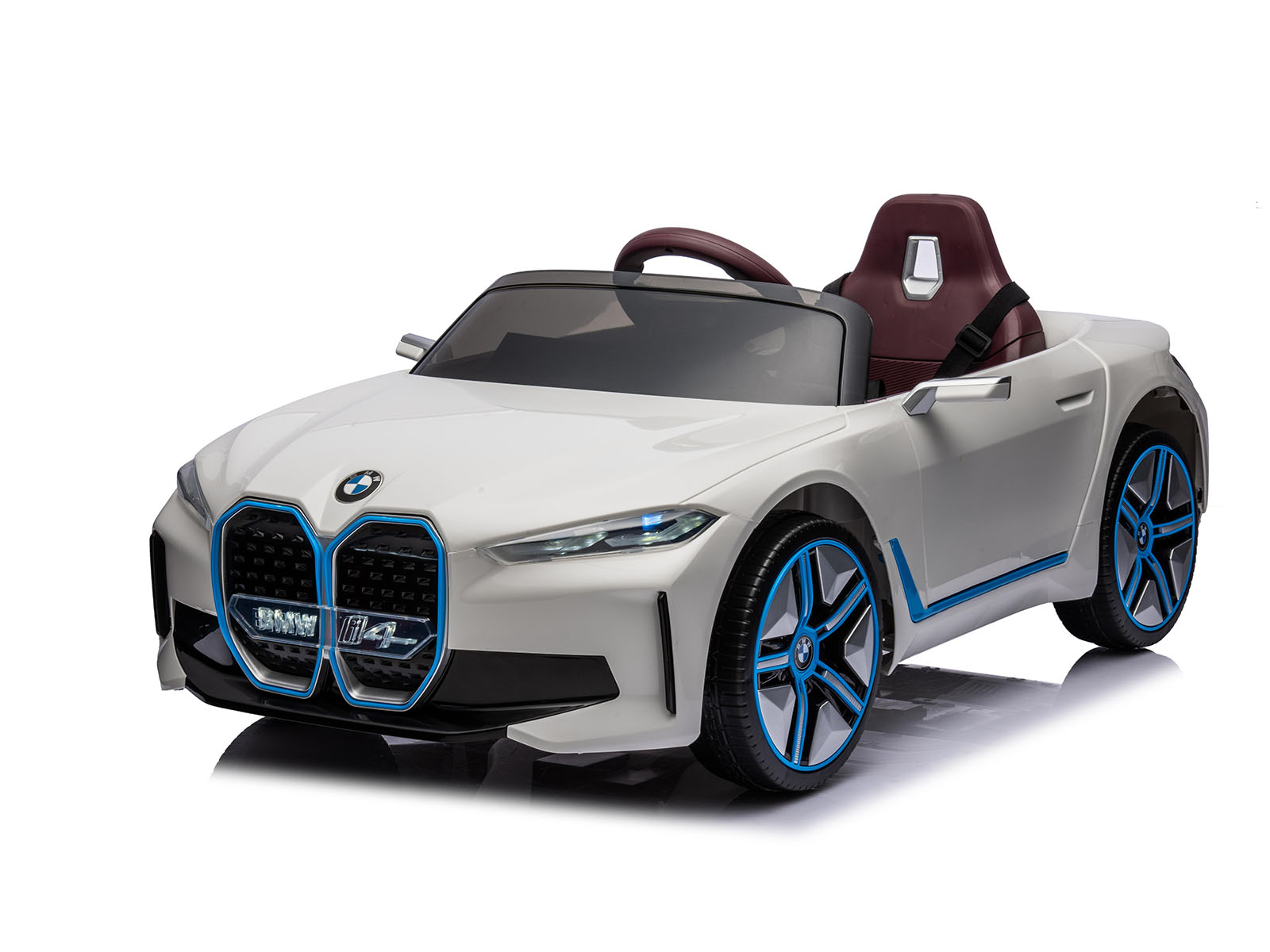
Profit margins in the toy vehicle sector are expanding rapidly. Finding a reliable kids electric ride on car manufacturer often presents a steep learning curve for procurement teams. Language barriers, opaque pricing structures, and rigid safety compliance standards frequently complicate the sourcing process. Tailored specifically for B2B buyers, e-commerce sellers, and retail distributors, this operational blueprint details the exact steps to secure lucrative inventory safely and efficiently.
Recent market intelligence highlights a definitive shift in consumer behavior within the outdoor toy industry. The demand for basic, low-voltage toys is plummeting. Instead, parents are investing heavily in 24V and 36V high-performance models featuring independent suspension, app-based parental overrides, and durable rubberized tires. Partnering with a technologically advanced production facility allows buyers to capture this premium market segment rather than settling for outdated inventory. We will cover the critical engineering parameters, minimum volume negotiations, quality enforcement, and container optimization strategies required to dominate this niche.
Key Takeaways
Direct Sourcing: Partnering directly with a verified production facility in China offers superior pricing structures and direct control over component selection, bypassing hefty trading company markups.
Volume Flexibility: While standard minimum order quantities generally range from 50 to 200 units per color, B2B buyers can deploy strategic negotiation tactics to arrange mixed-container orders for initial market validation.
Component Customization: Importers must utilize Original Equipment Manufacturer services for targeted branding and performance upgrades, such as 24V battery systems and EVA foam tires, to maximize retail value.
Non-Negotiable Quality Control: Importing children's electric vehicles mandates strict adherence to global safety frameworks including ASTM F963 and EN71, supported by rigorous third-party inspections.
Smart Logistics: Due to the high volumetric weight of ride-on vehicles, optimizing packaging configurations and selecting Full Container Load freight is essential for maintaining viable profit margins.
Why Source Directly from a Chinese Production Facility?
China currently dominates the global supply chain for electronic toys and battery-powered ride-on vehicles. Specific manufacturing hubs, most notably Pinghu in Zhejiang Province, have developed highly specialized industrial clusters dedicated entirely to the production of children's electric cars. Sourcing directly from these centralized hubs provides distinct competitive advantages for international buyers.
Factory vs. Trading Company
When utilizing global B2B platforms, buyers frequently encounter both direct factories and trading companies. Distinguishing between the two is a critical first step. Trading companies act as intermediaries. They source products from various factories and add a markup ranging from 10 percent to 30 percent to the final price. While they might occasionally offer lower initial volumes, they inherently lack direct control over the manufacturing and assembly workflows.
A direct factory owns the physical production lines, injection molding machines, and electronic testing equipment. Working directly with the source ensures better baseline pricing, direct oversight of technical modifications, and accurate communication regarding complex engineering specifications. Buyers can verify direct producers by requesting ISO 9001 certifications, reviewing their business licenses for manufacturing scopes, or conducting virtual factory floor tours.
Sourcing Metric
Direct Manufacturer
Trading Company
Pricing Structure
Base factory cost, highest profit margin potential
10% to 30% markup applied to base cost
Technical Customization
Direct engineer-to-engineer communication for upgrades
High risk of miscommunication regarding specs
Quality Oversight
Direct access to assembly lines for third-party inspectors
Opaque supply chain, difficult to trace defects
Lead Time Accuracy
Controlled production schedule, reliable dispatch
Dependent on multiple third-party factory schedules
The primary reason Chinese manufacturers offer highly competitive pricing is the incredible maturity of their localized supply chains. A factory producing ride-on cars is usually situated within a few miles of specialized suppliers providing lead-acid batteries, electric motors, wiring harnesses, and raw plastic materials. This localized ecosystem slashes inbound freight expenses and lead times, allowing these manufacturers to achieve massive economies of scale.
Deciphering Minimum Order Quantities for Bulky Freight
In the context of bulky toy manufacturing, the minimum order quantity represents the lowest number of units a factory is willing to produce for a single run. Because manufacturing involves setting up heavy injection molds, calibrating paint lines, and sourcing specific electronic components, factories must enforce these minimums to ensure their production runs are financially viable.
Standard Volume Expectations
For children's electric cars, volume expectations are heavily influenced by the physical size of the product and the level of customization required. Typically, factories require 50 to 100 units per specific model. They also mandate 20 to 50 units per color variant. This strict requirement ensures that the facility does not waste excessive raw materials when switching plastic dye colors in the injection molding machines.
The Mixed Container Strategy
For new B2B buyers, committing to large volumes without first testing the market poses a significant financial risk. The most effective approach to negotiate lower minimums for initial orders is the mixed container strategy.
Ride-on cars are exceptionally bulky, and shipping them efficiently requires filling a standard ocean container. A 40-foot High Cube container holds roughly 200 to 300 ride-on cars, depending on the carton dimensions. Buyers can request the factory to mix three or four different car models into one container. This approach satisfies the supplier's need for a high overall order value and container optimization, while allowing the buyer to keep individual model quantities low. You can frame this as a trial order, explicitly stating that successful market validation will lead to larger standardized bulk orders in subsequent quarters.
Engineering the Product: Customization and Component Selection
Differentiation is absolutely vital in the highly competitive e-commerce and retail toy markets. When configuring battery-powered toy cars for your domestic market, component selection dictates both retail value and warranty claim rates. Taking an existing factory model and applying specific engineering modifications is the most cost-effective route for importers.
Performance Upgrades and Specifications
The internal components are highly customizable, and upgrading them transforms a basic toy into a premium retail product. Buyers frequently upgrade standard 12V 7Ah batteries to robust 24V 7Ah systems. Pairing a 24V system with four independent 45W motors creates a true four-wheel-drive experience, providing extended playtime and superior performance on rough terrain.
Another highly recommended upgrade involves the wheel assembly. Replacing standard hard plastic wheels with EVA foam tires provides significantly better traction, absorbs shock, and delivers a much quieter ride. Upgrading from standard plastic seats to padded polyurethane faux-leather seats dramatically increases the product's perceived retail value. Modern factories can also integrate advanced electronic features such as Bluetooth media players, functioning LED light bars, and 2.4G parental remote controls equipped with emergency stop functions.
The Reality of Licensed Vehicles
The ride-on car market is heavily populated with miniature replicas of luxury vehicles. It is crucial to fully understand the legalities of sourcing these specific products. Licensed vehicles are exact replicas of real cars and proudly feature official brand logos from European or American automotive manufacturers. If a buyer intends to import licensed cars, they must demand that the manufacturer provides verifiable licensing agreements and authorization certificates from the original automotive brand.
Importing unauthorized replicas constitutes intellectual property infringement. This illegal practice can lead to immediate customs seizures, heavy fines, and the permanent suspension of your e-commerce seller accounts. Unlicensed vehicles, which feature generic designs without trademarked grilles or logos, offer a much safer legal route for buyers who prefer not to navigate complex compliance issues.
Enforcing Non-Negotiable Safety Protocols
When importing children's toys, product safety is the single most critical factor that can make or break your business. A reputable manufacturer must provide verifiable proof of compliance with international safety directives. Failing to enforce strict quality control can lead to catastrophic customs seizures, mandatory product recalls, and severe liability issues.
Mandatory Global Safety Certifications
Before placing any bulk orders, B2B buyers must ensure that the factory can produce vehicles that meet the specific legal requirements of the destination country. For the US market, electric ride-on toys must adhere to strict consumer protection laws. The foundational requirement is the ASTM F963 standard, which rigorously tests for mechanical hazards, sharp edges, and flammability. The Consumer Product Safety Improvement Act mandates strict testing for heavy metals, specifically limiting lead and phthalate content in accessible plastic parts and paints.
The electronic components require special attention. The battery and the charger must carry UL certifications or UN38.3 testing to prevent thermal runaway, short circuits, and severe fire hazards. If you are distributing to Europe or the United Kingdom, the regulatory landscape shifts to the EN71 directive. The product must also bear the CE mark, indicating conformity with health, safety, and environmental protection standards.
Implementing a Three-Step Quality Control Process
Relying solely on factory-provided certificates is a high-risk strategy. Professional importers implement a comprehensive inspection process to guarantee consistency across every single production batch.
Quality control begins long before assembly with the Pre-Production Inspection. Your appointed third-party inspector should verify the raw materials, checking that the plastic granules used for the chassis are non-toxic and structurally sound. They must verify the specifications of the incoming batteries and wire harnesses to ensure the factory has not quietly swapped premium components for cheaper alternatives.
Once the assembly line is running, a During Production Inspection should occur when approximately 20 percent of the order is completed. Inspectors will meticulously check the motor installation, the gauge of the wiring harness, and the safety of the battery compartment. They will test electronic functions such as the pedal acceleration and steering column alignment to catch systemic manufacturing errors early.
The Pre-Shipment Inspection is the final checkpoint. Before the shipping container is sealed, an accredited third-party inspection agency will randomly select fully packaged cars and subject them to rigorous testing based on Acceptable Quality Limit parameters. Only when the final report shows a definitive pass status should you authorize the final balance payment.
Logistics and Container Optimization
Electric ride-on cars represent a unique logistical challenge. They possess an exceptionally high volumetric weight, meaning they take up significant physical space relative to their actual mass. Because international freight costs are calculated based on whichever is greater between actual weight and dimensional weight, your shipping strategy directly dictates your final profit margins.
Container Selection
When transporting large toy vehicles from China, choosing Full Container Load freight is almost always the required and most economical method. Because the retail packaging for these toys is massive, you need dedicated container space. A standard 40-foot High Cube container holds approximately 68 cubic meters of cargo, translating to between 150 and 250 units depending on the specific car models. Shipping full containers ensures that your boxes are loaded at the factory and remain completely sealed until they arrive at your warehouse, drastically reducing the risk of transit damage.
Sharing container space with cargo from other importers is highly risky for bulky items like electric cars. Forklift operators rapidly consolidate freight at busy ports. Because ride-on car boxes are large but relatively lightweight, consolidators frequently stack heavier industrial pallets on top of them. This inevitably leads to crushed boxes, cracked plastic chassis, and unsellable inventory.
Packaging Requirements for Safe Transit
The journey from a manufacturing facility in Zhejiang to a warehouse in North America or Europe is violent. Heavy internal components, specifically the lead-acid batteries and dual electric motors, can easily shift and crack the surrounding plastic shell during rough sea transit if the packaging is inadequate.
To ensure safe transit, strictly mandate that your supplier uses at least 5-ply or 7-ply corrugated cardboard export cartons. The internal packaging must include custom-molded dense foam blocks that isolate the battery and motor components from the exterior plastic shell. Internal components should be tightly secured with heavy-duty plastic strapping. Always request a carton drop test during your final inspection to guarantee the packaging can withstand the rigors of seaport handling.
Critical Sourcing Pitfalls to Avoid
Even experienced importers can make costly errors when entering the ride-on toy market. Highlighting and avoiding these common mistakes will save you from high return rates and a badly damaged brand reputation.
The battery is the beating heart of the electric ride-on car, yet it is the most common area where factories cut corners to offer a lower quote. Cheap, unbranded lead-acid batteries suffer from poor charge retention, resulting in dead-on-arrival products and furious customer reviews. Always explicitly specify a premium UL-certified battery brand, exact capacity, and certification standard in your formal purchase contract. Remind the factory to ship the batteries with a partial charge, as lead-acid batteries can permanently degrade if left completely depleted during a long ocean voyage.
Never place a bulk container order without testing a physical sample first. Digital photos and CAD renderings simply cannot convey actual build quality. Evaluate the assembly process thoroughly. Test the motor noise, inspect the alignment of the plastic molding, and verify that the parental remote control does not suffer from signal interference.
Electric ride-on cars are mechanical toys subjected to incredibly rough play by children. Parts will inevitably break. During your initial contract negotiation, smart buyers mandate a 1 to 2 percent inclusion of free spare parts in their bulk order. Essential spare parts to request include extra chargers, parental remote controls, push-to-start buttons, gearboxes, and plastic wheels. Having these parts readily available in your local warehouse allows you to resolve customer warranty claims instantly.
Conclusion
Sourcing electric ride-on cars from China can be a highly lucrative venture, provided the global supply chain is managed with precision, engineering foresight, and diligence. Long-term success relies heavily on identifying a transparent, direct factory partner rather than relying on a middleman. By fully understanding your component customization options, enforcing rigorous third-party safety inspections, and strategically optimizing your container shipping methods, you can effectively mitigate risks and protect your profit margins.
To begin configuring your next high-margin inventory batch, explore the robust engineering and manufacturing capabilities at Big Ride On Cars to find products that match your exact market specifications and safety compliance needs.
FAQ
What is the average minimum order volume for a kids electric ride on car manufacturer?
The standard minimum order quantity typically ranges from 50 to 100 units per specific model, and often 20 to 30 units per color variation. However, many flexible factories will allow B2B buyers to utilize a mixed container strategy. This means you can select 3 to 4 different car models to fill a single 40-foot High Cube shipping container, allowing you to meet the factory's overall financial requirements while keeping the inventory risk low for any single vehicle design.
Do I need licensing to sell branded ride-on cars?
Yes, absolutely. If you are importing and selling ride-on cars that feature real-world automotive brand logos, signature grilles, or exact body styling, the manufacturing factory must possess a valid licensing agreement from that specific car brand. Always ask the supplier to provide the official authorization certificate before purchasing. Importing unlicensed replica vehicles is illegal and will likely result in your entire shipment being seized and destroyed by customs for intellectual property infringement.
How long does it take to manufacture and ship kids electric cars from China?
The standard production lead time for a bulk order is generally 30 to 45 days, depending on the complexity of your technical customization requirements and the factory's current order queue. Once production is completed, ocean freight shipping adds an additional 20 to 40 days depending on your destination port. Buyers should plan for a total lead time of 60 to 90 days from the moment the deposit is paid to the inventory arriving at their warehouse.
What are the most important safety certifications for electric toy cars?
Safety certifications vary by region but are strictly enforced globally. For the US market, the mandatory certifications are ASTM F963 for mechanical safety and CPSIA for heavy metal testing. For the European market, you must have EN71 and the CE mark. Regardless of the region, the internal batteries and chargers must have passed UL testing or UN38.3 testing to ensure they are stable and safe for both international transport and home use.
How much does it cost to ship a container of ride-on cars from China?
Ocean freight rates fluctuate wildly based on seasonality, global port congestion, and fuel surcharges. On average, shipping a 40-foot High Cube container from a major Chinese port like Ningbo or Shanghai to the US West Coast can range from $3,000 to $6,000. Shipping to the US East Coast or European ports typically costs more. Because a 40-foot container holds roughly 200 ride-on cars, you should calculate an added landed cost of $15 to $30 per unit just for ocean freight.
What is the import duty for children's electric cars?
Import duties depend on your destination country's tariff schedule and the specific Harmonized System code used for children's wheeled toys. In the United States, wheeled toys designed to be ridden by children generally fall under HS code 9503.00. While the base duty rate for toys is often free or very low, buyers must be aware of additional Section 301 tariffs applied to goods manufactured in China, which can add an extra 7.5 percent to 25 percent to the import cost. Always consult with a licensed customs broker to get an exact duty assessment before ordering.