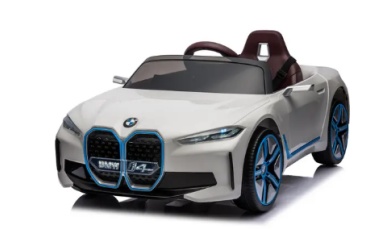
A kids ride on car is a significant investment. Children love taking these vehicles on outdoor adventures. They explore wet grass, dusty trails, and muddy puddles. When it inevitably gets covered in mud, spilled juice, or driveway dirt, parents face a critical dilemma. How do you clean it without destroying the electrical components?
Treating a battery-powered toy like a real vehicle is a massive mistake. Using a garden hose or driveway wash is the fastest way to void warranties. Excessive water easily fries delicate motherboards. Manufacturers do not design these toys to withstand direct water pressure.
Yes, you can wash a ride on car safely. However, it requires a strict moisture-controlled approach. This guide breaks down the safest cleaning protocols available. We will explore material-specific detailing techniques. You will also learn vital maintenance habits. These methods preserve both vehicle performance and long-term resale value.
Key Takeaways
Never use a hose or pressure washer: Direct water exposure will short-circuit motherboards and ruin the battery.
Battery removal is step one: Always disconnect and remove the battery before introducing any moisture to the chassis.
Isolate tire grime: Use a separate cloth and bucket for wheels to prevent abrasive dirt from scratching the plastic bodywork.
Preserve resale value: Routine, safe cleaning combined with strict battery charging habits (charging once a month during storage) extends the toy’s lifespan significantly.
1. The Core Rule: Moisture Control vs. Electrical Vulnerability
Parents often struggle to balance outdoor toy maintenance against electrical safety. A kids ride on car operates outside, yet it houses vulnerable electronics. Most models completely lack marine-grade electrical sealing. Standard motorized toys feature exposed wiring harnesses underneath. They have open gaps around foot pedals and dashboard switches.
You must understand this inherent conflict before starting. The risk profile is quite high. Water instantly travels down steering columns. It pools inside the main battery compartment. A single stray droplet can short out a circuit board. This damage permanently disables the vehicle.
You need clear success criteria for this cleaning process. The primary goal is aesthetic restoration without moisture penetration. Success means thoroughly wiping down the exterior chassis. At the same time, you must keep the battery compartment entirely dry. The pedal switches and dashboard wiring must remain 100% dry as well.
Always follow the "Damp, Not Wet" principle. Establish this baseline rule immediately. Cloths must be thoroughly wrung out before touching the vehicle. If a cloth drips even a single drop of water, it is too wet. Squeeze your cleaning rag until no moisture escapes. This simple habit prevents catastrophic electrical failures.
2. The 4-Step Safe Washing Protocol for a Kids Ride On Car
Cleaning requires a systematic approach. Follow these precise implementation steps to execute the wash safely.
Step 1: Disconnect and Isolate the Power Source
You must always unplug the main power source first. Physically remove the battery from its compartment entirely. Never clean a motorized toy while it has live power.
Take a moment to inspect the battery terminals. Look for built-up dust or early signs of corrosion. Brush away dry debris gently. Set the battery aside safely. Place it in a dry, room-temperature area away from your cleaning zone.
Step 2: The Two-Cloth Body Wipe Down
Grab a clean microfiber cloth. Dampen it lightly using a mild, non-abrasive soap solution. Wring it out completely. Wipe down the plastic bodywork gently. Start from the top and work your way down. This pushes dirt toward the floor.
Follow up immediately using a second, completely dry microfiber cloth. Wipe the freshly cleaned surface until perfectly dry. This dual-action prevents ugly water spots. More importantly, it stops moisture from pooling inside vulnerable panel gaps.
Step 3: Detailing Crevices and High-Touch Zones
Large cloths cannot reach tight spaces. You need a simple tool hack. Use a soft-bristled toothbrush. Keep it entirely dry or barely damp. Agitate dirt trapped inside dashboard seams safely. Brush out debris hiding in steering wheel crevices. Clean out the pedal housings where mud usually dries and hardens.
Sanitization requires a different approach. Children frequently touch specific areas. Use standard disinfectant wipes exclusively on these high-touch zones. Wipe down the steering wheel thoroughly. Sanitize the exterior door handles. Clean the gear shifter to eliminate common household germs.
Tires require a harsh evaluation dimension. They carry sharp, embedded driveway stones. They collect highly abrasive mud. Treating tires like the rest of the car causes severe damage.
Dedicate a completely separate bucket for the wheels. Use a heavy-duty brush strictly designed for tires. Never use the tire sponge on the delicate plastic bodywork. Abrasive tire dirt creates permanent micro-scratches on shiny plastic.
Inspect the tire treads closely. Pick out embedded gravel manually. Small stones cause uneven tire wear over time. Removing them ensures a smoother ride for your child.
You need deep expertise to maintain toy materials properly. Toy vehicles use different plastics and metals compared to real automobiles. Advanced evaluation criteria help protect these specific surfaces.
Many parents mistakenly apply real automotive wax to toy vehicles. You must avoid automotive wax entirely. It chemically corrodes toy-grade ABS plastics over time. It also makes stepping surfaces dangerously slippery for small shoes.
Use a non-wax plastic polish instead. It restores factory shine safely. You can also create a simple baking soda and water paste. Rub this paste gently over stubborn scuffs. It acts as a mild abrasive. It removes scuff marks without degrading the plastic shell.
Cleaning Electronic Contacts
Moisture occasionally reaches the battery terminals. Dirt sometimes infiltrates wiring harnesses. You must address this carefully. Grab a clean, lint-free cotton swab.
Lightly dip the swab into 90%+ isopropyl alcohol. Wipe down the affected metal contacts. High-percentage alcohol evaporates rapidly. It cleans oxidation perfectly without leaving any moisture residue behind.
Handling Battery Leaks
Lead-acid or alkaline batteries occasionally leak. You must address acid or alkaline residue safely. Always wear protective rubber gloves first.
Use a cotton swab dipped in standard white vinegar or lemon juice. Apply it to alkaline battery leaks. The mild acid neutralizes the alkaline residue instantly. Once neutralized, wipe the compartment completely clean using a dry cloth.
Lubricating Moving Parts
Wheel axles and steering columns need regular lubrication. Apply dry, silicone-based lubricants to these specific areas. Silicone sprays coat metal parts smoothly without staying wet.
Strictly avoid heavy machine oils or WD-40. Thick oils attract airborne dust quickly. They combine with dirt to form a gritty sludge. This dark sludge destroys plastic gears and slows down the vehicle.
4. Fatal Cleaning Mistakes That Ruin Ride On Cars
Risk mitigation requires full transparency about what not to do. Certain popular cleaning methods permanently destroy motorized toys. Avoid these fatal mistakes at all costs.
The Hose & Sprinkler Myth
Many parents believe outdoor toys tolerate garden hoses. Some models even feature "waterproof-looking" designs. This is a dangerous myth.
These vehicles remain highly susceptible to upward splashes. Spraying a hose hits the ground and bounces upward. This water shoots directly into exposed undercarriage wiring. It bypasses upper plastic shields entirely. Never spray water near a motorized toy.
Hot Water & Heat Guns
Temperature control matters deeply during cleaning. Using scalding water seems great for cutting grease. However, hot water easily warps cheap plastics. It causes bright colors to fade prematurely.
Attempting to speed-dry a car presents another massive hazard. Never use a hot hair dryer. Never apply a professional heat gun. Intense directed heat melts exterior decals instantly. It distorts the structural plastic molding. Air drying remains the only truly safe method.
Chemical Solvents
Harsh chemicals destroy toy aesthetics rapidly. Paint thinners dissolve exterior finishes on contact. Bleach causes immediate and irreversible discoloration.
Harsh household degreasers weaken the structural integrity of the plastic shell. The plastic becomes brittle and prone to cracking. Stick exclusively to mild dish soap heavily diluted in warm water.
5. Beyond Cleaning: Storage Habits That Protect Your Investment
Long-term value retention extends far beyond surface washing. Operational scalability depends on how you store the vehicle. Great storage habits prevent mechanical decay.
Battery Discipline
A perfectly clean car holds zero value if the battery dies. Proper battery discipline dictates the toy's lifespan. Follow the standard manufacturer rule for new batteries. Always provide 8 to 12 hours for an initial charge before the first ride.
Winter storage requires specific attention. You must execute a mandatory top-up charge every 3 to 4 weeks. Leaving a battery uncharged for months causes it to "starve." Lead-acid batteries develop irreversible sulfation when left completely drained. Regular charging keeps the internal chemistry active.
Preventing Tire "Flat Spots"
Many parents store a ride on car in a garage for the winter. You must prepare the tires for long-term resting. Leaving a heavy toy sitting directly on its plastic tires causes damage.
Months of static pressure create permanent flat spots on the hollow wheels. This results in a terribly bumpy ride next spring. Elevate the chassis slightly using wooden blocks. Prop the frame up so the tires hover just above the concrete floor.
Environmental Shielding
The storage environment dictates plastic longevity. Keep the car out of direct sunlight whenever possible. Constant UV exposure causes rapid fading. It eventually leads to plastic warping and cracking.
Purchase a breathable cover for garage storage. A good cover prevents sawdust and environmental dust from accumulating inside exposed motors. Ensure the cover remains breathable to prevent trapped humidity from corroding internal metal parts.
Conclusion
Washing a motorized toy car remains entirely feasible. Parents must simply trade the heavy garden hose for a damp microfiber cloth. Utilizing a soft toothbrush helps extract hidden dirt safely. Moisture control stands as the ultimate secret to success.
Treat the toy less like a real automobile. Treat it more like a large outdoor electronic appliance. Careful wiping prevents electrical shorts while keeping the exterior looking brand new. Thoughtful detailing preserves the structural integrity of the plastic components.
Check the manufacturer’s manual for specific product warnings first. Invest in high-quality, safe silicone lubricants for the axles. Finally, establish a mandatory monthly maintenance routine. Combine a thorough wipe-down alongside your scheduled monthly battery charge. This holistic approach ensures years of reliable backyard driving.
FAQ
Q: Can power wheels get wet in the rain?
A: Light, accidental sprinkling is usually fine if dried immediately. Use a towel to wipe down all visible surfaces right away. However, prolonged exposure to heavy rain causes major issues. Rain pools water inside the pedal housing and the main battery compartment. This standing water inevitably causes complete electrical failure. Always store the toy indoors or under a waterproof cover during rainstorms.
Q: Can you leave a kids ride on car outside?
A: It is highly discouraged. Constant weather exposure degrades plastic and ruins electronics. If it absolutely must stay outside, use a waterproof, breathable cover. Keep it parked safely under a protective awning. You must always remove the battery and store it indoors. Extreme temperature fluctuations rapidly destroy lead-acid batteries.
Q: How do I fix a kids ride on car that got wet and won't start?
A: Do not force it to turn on. Disconnect the battery immediately to prevent further short circuits. Dry all visible water using a highly absorbent towel. Let the car sit inside a warm, dry room. Point a strong fan directly at it for 48 hours. If it still fails afterward, check for a blown fuse. You may also need to test the battery voltage.