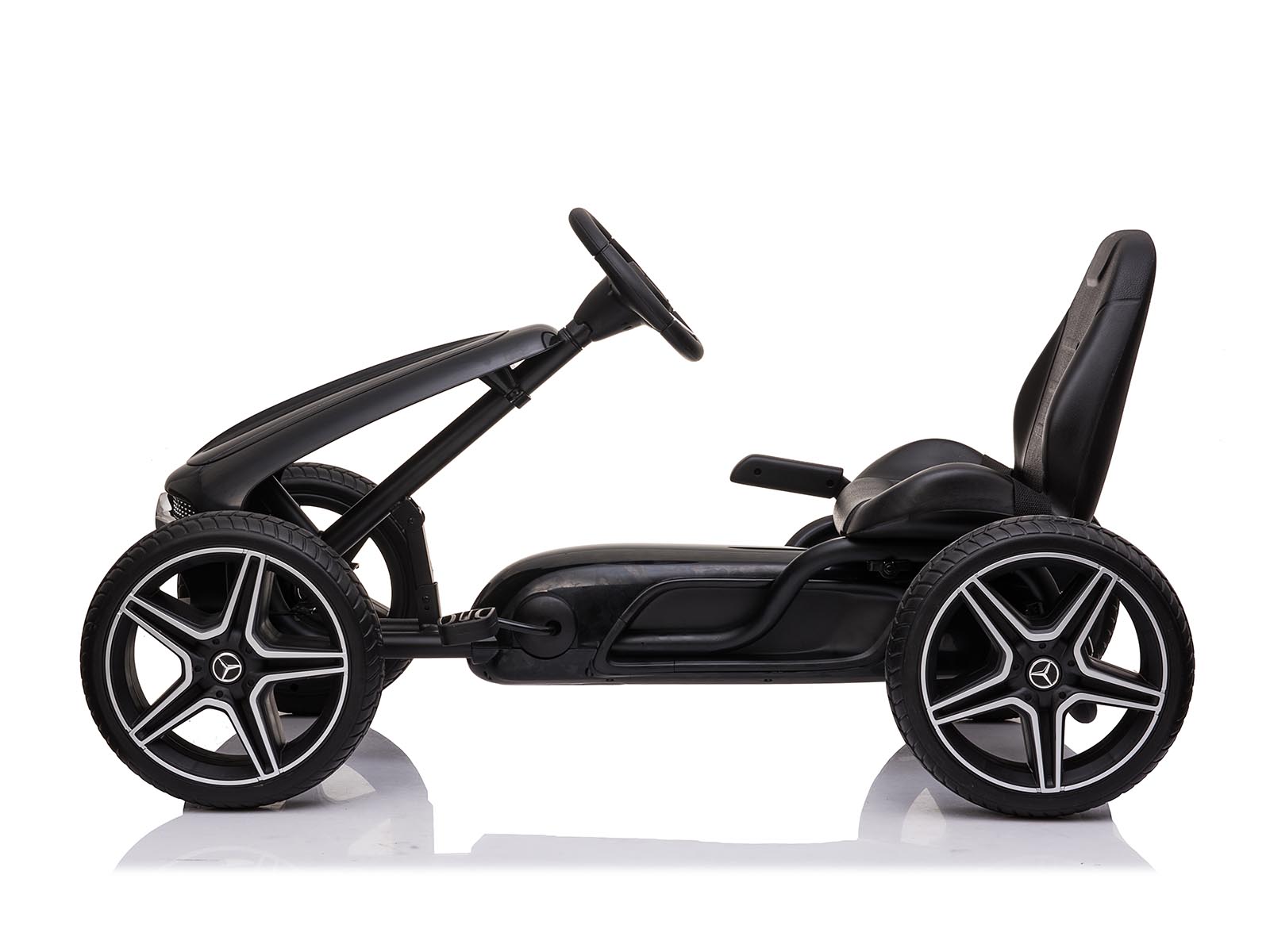
Parents evaluating outdoor ride-on toys face a common dilemma. They often wonder if a pedal-powered vehicle will become a staple of daily play. Otherwise, it might just become another expensive gadget gathering dust. Choosing the right outdoor toy matters greatly. It directly impacts your child's physical development. A high-quality pedal go kart serves as an excellent investment for active play. It offers low-maintenance longevity. However, you must buy the correct size. You also need to avoid flimsy plastic construction to reap these benefits. This article provides a skeptical, evidence-based breakdown of these toys. We evaluate whether they truly justify the money spent. We compare them to electric alternatives. We also examine specific engineering components dictating their lifespan. You will learn exactly how to choose a durable model.
Key Takeaways
Pedal go-karts eliminate "charging downtime" and battery degradation, offering unmatched reliability compared to electric ride-ons.
They serve as a low-impact cardiovascular workout that covertly builds leg strength and hand-eye coordination.
Sizing by a child’s height (not just age) and insisting on tool-less adjustable seats are the critical factors for ensuring long-term use.
The choice of tires (pneumatic vs. EVA rubber vs. plastic) completely dictates the vehicle's terrain capability and safety.
A premium kart frame holds substantial resale value and can be passed down through multiple siblings.
The True ROI: Developmental Outcomes vs. Entertainment
Parents often view ride-on toys purely as entertainment. However, a well-built pedal go kart for kids acts as a covert fitness tool. It provides a low-impact cardiovascular workout. The push-pull mechanics of pedaling build vital core strength. They also develop lower-body muscles and enhance spatial awareness. Kids focus on racing and navigating tight corners. Meanwhile, their bodies engage in sustained physical exertion. This transforms playtime into an active developmental exercise. They master motor skills without even realizing they are exercising.
Modern parents face a tough problem at home. Sedentary habits and excessive screen time dominate daily routines. Pedal karts serve as a powerful antidote. They incentivize high-energy outdoor play. Children find the driving experience highly engaging. They gladly leave their digital screens behind. The physical nature of pedaling naturally tires them out. This promotes better sleep and healthier daily habits. You provide them a tool for independence. They control their own speed and destination.
We must be entirely transparent here. Pedal karts require actual physical exertion. This is the catch. If a kart is too heavy, the child will struggle. Poor gearing also creates massive frustration. When pedaling demands too much leg strength, frustration quickly outweighs fun. You must ensure the vehicle matches your child's physical abilities. This reality highlights the critical importance of correct sizing. Choosing a vehicle tailored to their current strength guarantees enthusiasm rather than exhaustion.
Pedal vs. Electric: The Maintenance & Reliability Trade-Off
Let us compare the operational realities of both options. Electric karts certainly offer strong high-tech appeal. They feature flashing lights, engine sounds, and speeds hitting 5 to 10 km/h. Kids love this instant gratification. However, battery charging cycles plague electric models. They suffer from limited runtimes. They also require strict adherence to flat, hard surfaces. Once a battery dies, playtime abruptly ends. Parents then face the frustrating task of carrying a heavy, dead toy back home.
Pedal karts operate entirely differently. The user provides all the power. They offer a massive "zero downtime" advantage. You never deal with dead batteries. You never trace faulty wiring. You never wait hours for a recharge. Children can ride as long as their energy lasts. This unmatched reliability gives parents absolute peace of mind. The toy is always ready for action. You simply pull it out of the garage, and they start riding.
Terrain versatility adds another major advantage. Robust pedal karts handle varied landscapes beautifully. Models equipped with pneumatic tires navigate grass easily. They conquer gravel paths and uneven park terrain. Standard 12V electric ride-ons typically stall in thick grass. Their plastic wheels spin out on loose dirt. Pedal power, combined with proper tires, ensures superior off-road capability. The rider adapts their pedaling force to overcome obstacles naturally.
Evaluation Criteria: Separating Durable Investments from Cheap Toys
You need a clear framework to shortlist models. Cheap toys often end up being more expensive. Premature mechanical failures force you to buy replacements. We strongly emphasize assessing specific engineering components. This ensures your purchase withstands years of enthusiastic play.
Tire specifications remain the ultimate dealbreaker. Tires dictate safety, grip, and comfort. We break down the three primary options in the chart below.
Tire Material
Key Characteristics
Best Terrain
Major Drawbacks
Hard Plastic
Rigid, hollow, highly durable against punctures.
Indoor flooring or perfectly smooth concrete.
Extremely noisy, zero shock absorption, slips easily.
EVA / Rubber
Solid foam/rubber blend, puncture-proof, quiet.
Pavements, driveways, hard-packed dirt.
Lacks the premium bounce of air tires.
Pneumatic (Air)
Air-filled inner tubes, maximum grip, superior suspension.
Thick grass, gravel, off-road trails, uneven parks.
Requires occasional inflation, vulnerable to punctures.
Hard plastic tires present significant issues. We strongly warn against them. They create excessive noise on pavement. They lack any shock absorption. They easily lose traction on smooth paving. This slipping causes immense frustration for young drivers. The lack of grip also extends braking distances dangerously.
EVA rubber tires offer a solid middle ground. They remain completely puncture-proof. They operate much more quietly than plastic. They provide decent grip on most hard surfaces. Many reputable brands use EVA for their mid-tier models. They deliver a maintenance-free experience while retaining acceptable performance.
Pneumatic, or air-filled, tires represent the premium standard. They offer excellent suspension and superior grip. They conquer off-road trails and thick grass effortlessly. You will need to inflate them occasionally. However, the performance benefits far outweigh this minor maintenance task. They transform a bumpy ride into a smooth adventure.
Frame and weld integrity also determine durability. You should prioritize heavy-duty tubular steel frames. A strong chassis prevents the vehicle from flexing. Older, heavier children exert significant torque while pedaling. Weak frames buckle under this stress. Inspect the joint welds closely before purchasing. High-quality powder coating also prevents rust during outdoor storage.
Sizing relies on height rather than just age. Leg length dictates pedaling efficiency. A five-year-old might be taller than a seven-year-old. Always check the manufacturer's height parameters. Look for models featuring easily adjustable seats. Ideally, the seat should offer 6 to 8 tool-less positions. This ensures the vehicle grows alongside your child.
Understanding Drivetrains & Safety Mechanics
The drivetrain tech separates premium karts from basic toys. A "freewheel" capability is absolutely necessary. Without it, pedals continue spinning aggressively while coasting downhill. Fast-spinning pedals pose a serious risk to a child's shins. Look for advanced drivetrain hubs. Brands often market these under acronyms like BFR.
BFR stands for Brake, Freewheel, and Reverse. These intelligent hubs allow safe coasting. They enable intuitive back-pedal braking. They even permit reversing without manually switching gears. We also highly recommend checking for fully enclosed chain guards. An enclosed chain prevents shoelaces and loose clothing from becoming entangled in the gears.
Kids need reliable ways to stop these vehicles. Let us clarify the primary braking systems you will encounter.
Coaster Brakes: The rider pushes the pedals backward to engage the brake. This feels highly intuitive for young kids. It relies on natural leg reflexes.
Mechanical Handbrakes: A side lever pulls a friction block directly against the rear tires. This method requires more hand-eye coordination.
Hybrid Systems: Premium models often combine both methods. This provides maximum safety and teaches advanced vehicle control.
Center of gravity plays a crucial safety role. The safest karts feature a wide wheelbase. They utilize a very low seating position. This specific geometry virtually eliminates tipping risks. Kids often take sharp corners at high speeds. A low center of gravity keeps all four wheels planted firmly on the ground. It builds their confidence while keeping them secure.
Hidden Long-Term Value: Siblings, Resale, and the DIY Afterlife
A metal-framed pedal kart functions as a lasting asset. It easily outlasts the initial user. Tool-less seat adjustments create incredible flexibility. Multiple siblings of different ages can share the same kart. They can swap drivers on the exact same afternoon. This hand-me-down factor maximizes your initial purchase. It becomes a permanent fixture in your backyard.
These vehicles boast a remarkably strong resale market. Premium brands hold their value exceptionally well. You can easily list them on secondary markets. Facebook Marketplace and Craigslist are full of eager buyers. You can recoup a significant portion of your initial spend. Cheaper plastic alternatives usually end up in the landfill.
The hardcore DIY community provides ultimate proof of structural integrity. Check out enthusiast forums like Reddit's PowerWheelsMods. Adult enthusiasts actively seek out used, high-quality pedal kart frames. They strip them down completely. They convert them into high-powered electric RC cars. They use robust power tool batteries to drive massive motors. The original metal frames withstand this extreme torque effortlessly. This reality proves how massively over-engineered these chassis truly are.
Conclusion
Pedal go-karts are undeniably a good choice for modern families. They deliver immense value if you prioritize physical activity. They offer exceptional longevity and require very low maintenance. They easily beat the instant, effortless speed of electric toys. You gain peace of mind knowing the toy will survive years of rough play. They foster independence, build strength, and keep kids outdoors.
Follow these simple action steps before making your purchase:
Measure your child’s exact height instead of just checking their age bracket.
Assess your primary riding terrain to select the right tires. Choose pneumatic for grass and EVA for pavement.
Budget specifically for a sturdy metal-framed model rather than hollow plastic.
Ensure the seat features tool-less adjustments for easy sharing and rapid growth.
Verify the presence of a freewheel hub to protect your child's legs while coasting.
FAQ
Q: What is the right age for a pedal go-kart?
A: The range spans from 10 months for toddler-specific models up to adult-sized XL frames. You must emphasize matching the kart's specific height parameters rather than relying solely on age recommendations. Leg length determines if a child can reach and push the pedals comfortably.
Q: Can pedal go-karts go on grass?
A: Yes, they absolutely can. However, grass riding requires pneumatic (air-filled) tires and sufficient leg strength from the rider. Hard plastic tires will just spin out and lose traction immediately on soft or uneven terrain.
Q: Are pedal karts safe for toddlers?
A: Yes, they are very safe for toddlers. You must ensure the model features a low center of gravity, fully enclosed drive chains, and a freewheel mechanism. These safety features prevent tipping, protect clothing, and stop painful pedal-strikes when the kart rolls forward.
Q: How do you maintain a pedal go-kart?
A: Maintenance is extremely simple. Store the vehicle in a dry place to prevent rust. Occasionally lubricate the drive chain to keep pedaling smooth. Finally, check and keep pneumatic tires properly inflated for the best riding experience.