Play is a fundamental part of childhood that contributes to overall physical, cognitive, social, and emotional development. From the earliest years, children engage in different types of play that help them build essential skills, foster creativity, and encourage social interaction. Among these, ride on cars stand out as one of the most enjoyable and developmentally beneficial toys for children.
A ride on car is not just a fun toy, but an investment in your child's growth. These cars help children develop coordination, balance, and cognitive abilities, all while providing endless hours of entertainment. By offering a unique combination of fun and learning, ride on cars are one of the best investments you can make for your child’s development.
In this article, we’ll explore why ride on cars are an exceptional choice for both fun and development. From physical benefits to emotional growth, these toys provide lasting advantages that go beyond simple amusement.
1. Ride On Cars Promote Physical Development
Gross Motor Skills
One of the primary physical benefits of ride on cars is their ability to promote gross motor skills. Operating a ride on car requires a child to use their larger muscle groups, including their arms, legs, and torso. As children steer, accelerate, and brake, they engage in full-body movements that help to develop coordination and strength.
Hand-Eye Coordination
Driving a ride on car also helps to improve hand-eye coordination. Children must synchronize their hand movements (steering) with their eye movements (looking ahead and navigating obstacles), which enhances their ability to focus and make decisions in real-time. This skill is not only vital for driving but also benefits everyday activities like writing, sports, and other coordinated tasks.
Physical Skill | Benefit |
Gross Motor Skills | Enhances coordination, balance, and muscle strength through full-body activity. |
Hand-Eye Coordination | Improves focus and decision-making skills by synchronizing hand and eye movements. |
Balance and Stability | Riding on various terrains helps develop core strength and stability. |
2. Ride On Cars Enhance Cognitive Skills
Problem-Solving Abilities
When children drive a ride on car, they face decisions and challenges that require problem-solving skills. For example, they may need to navigate obstacles, steer around curves, or figure out how to park the car. These tasks encourage children to think critically, plan ahead, and make quick decisions.
As children gain more experience with their ride on car, they become better at judging distances, recognizing traffic signs, and even understanding the consequences of their actions. These skills lay the foundation for more complex problem-solving tasks in the future.
Creativity and Imagination
Beyond the physical and cognitive skills, ride on cars also foster creativity. Children often engage in imaginative play as they drive their car around the house, yard, or neighborhood. They may pretend to go on adventures, visit different places, or take part in imaginative scenarios. This imaginative play helps children to expand their creativity and develop storytelling abilities.
3. Social and Emotional Benefits of Ride On Cars
Building Confidence
Mastering the skill of driving a ride on car can significantly boost a child's self-confidence. As children become more skilled at controlling their vehicle, they gain a sense of accomplishment and pride. The independence that comes with riding a ride on car also fosters a greater sense of autonomy, which can positively impact their overall self-esteem.
Encouraging Social Interaction
Playing with ride on cars often involves interaction with other children. Whether playing in a park, in the yard, or during group playdates, children frequently share their cars with others or engage in cooperative play. This helps them develop essential social skills like sharing, turn-taking, and communication. These interactions teach children how to work as a team, negotiate rules, and resolve conflicts, which are valuable skills in their personal and academic lives.
4. Ride On Cars Foster a Sense of Responsibility
Learning to Care for Their Belongings
A ride on car isn’t just a toy; it’s a valuable item that children can learn to take care of. From charging the battery to keeping the car clean and maintaining the tires, kids develop a sense of responsibility as they care for their ride on car. Parents can encourage children to clean the car after each use, check the battery, and store it properly. These habits help children understand the value of caring for their belongings.
Following Rules
Playing with a ride on car also teaches children to follow rules. For example, they must abide by the speed limits, stay in designated play areas, and follow other safety guidelines set by parents. Learning to respect rules and boundaries not only ensures their safety but also instills discipline and respect for others. This sense of responsibility can extend to other areas of life, including school, home, and social settings.
![Ride on Car]()
5. Ride On Cars Offer Fun and Lasting Entertainment
Long-Term Play Value
Unlike many toys that lose their appeal after a short period, ride on cars provide long-lasting entertainment. As children grow and develop new skills, they can enjoy their car in new ways. Younger children may start by simply enjoying the feeling of riding, while older children can enjoy more advanced features, like controlling the speed or steering. This makes ride on cars a versatile toy that adapts to the child's growing abilities, ensuring it remains enjoyable for several years.
Variety of Models
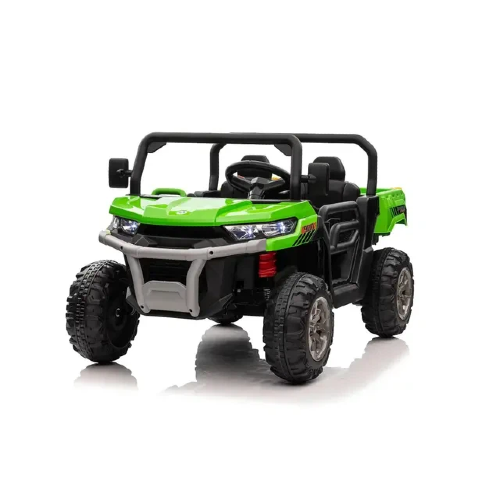
One of the reasons ride on cars are such a great investment is the wide variety of models available. From sports cars to trucks, motorcycles, and even ATVs, there’s a ride on car to suit every child’s interest. Many models also feature licensed versions, such as ride on cars designed to resemble popular brands like Mercedes-Benz, BMW, or Lamborghini. With so many options, you can find a ride on car that perfectly fits your child’s personality and preferences.
Ride On Car Type | Recommended Age | Fun Features |
Sports Car | 2–5 years | Fast speeds, realistic design, sounds |
Truck/Jeep | 3–6 years | Off-road tires, cargo space, strong motors |
Motorcycle/ATV | 4–7 years | Higher speed, dirt track handling |
6. Ride On Cars as an Investment in Your Child’s Happiness
Emotional Bonding
The joy that comes from riding a ride on car often extends beyond the child. Many parents join in the fun by either guiding the car, helping with maintenance, or simply watching their child enjoy their ride. This shared experience promotes bonding between parents and children, creating lasting memories. The enjoyment a child experiences from driving their ride on car also contributes to their overall happiness and emotional well-being.
A Gift That Keeps on Giving
While ride on cars may seem like a simple toy, they are an investment in your child’s happiness and growth. Over time, the skills developed through riding a ride on car—such as responsibility, social interaction, and motor skills—will serve your child well in other aspects of their life. Whether it’s driving the car around the backyard or showing it off to friends, your child will create countless happy memories with their ride on car.
7. Conclusion
In conclusion, ride on cars are far more than just toys; they are valuable tools that contribute significantly to your child’s overall development. These vehicles not only promote physical and cognitive skills but also encourage social interaction, responsibility, and emotional growth. With their long-lasting entertainment value and the ability to evolve with your child’s changing needs, ride on cars are an excellent investment for any parent looking to enhance their child’s playtime and growth.
At BIG RIDE ON CARS, we understand the importance of providing quality products that foster both fun and development. Our ride on cars are designed with safety, performance, and durability in mind, ensuring that your child has a secure and enjoyable experience. By investing in one of our ride on cars, you are giving your child a unique opportunity to develop essential life skills while having fun.
We invite you to contact us for more information on our range of ride on cars, and let us help you choose the perfect model to support your child’s growth and playtime.
8. FAQs
What are the developmental benefits of a ride-on car?
Ride on cars help improve physical development by promoting coordination, balance, and motor skills. They also enhance cognitive abilities by encouraging problem-solving and decision-making.
Are ride-on cars safe for children?
Yes, ride on cars are designed with safety in mind, featuring essential safety features like seat belts, speed limiters, and parental remote controls. Always ensure that your child uses the car in a safe environment and under supervision.
What age is appropriate for a ride-on car?
Ride on cars are suitable for children aged 1 to 6 years, with various models designed for different age groups. Always check the manufacturer’s age recommendations for each model to ensure it is appropriate for your child.
Do ride-on cars help with social development?
Yes, ride on cars offer opportunities for children to engage in social play with peers, encouraging teamwork, communication, and sharing. These social interactions are essential for developing strong social skills.
How do ride-on cars help build confidence?
Mastering the operation of a ride on car helps children develop a sense of independence and accomplishment, boosting their self-confidence and encouraging them to take on new challenges.


